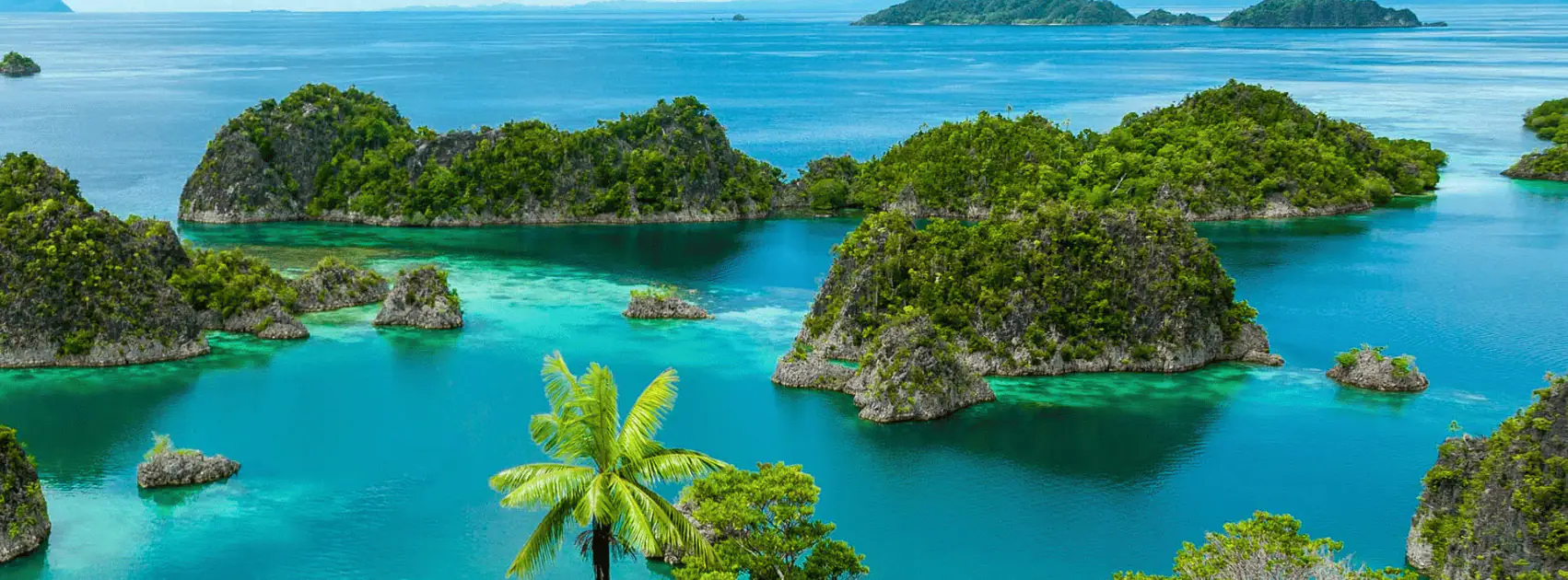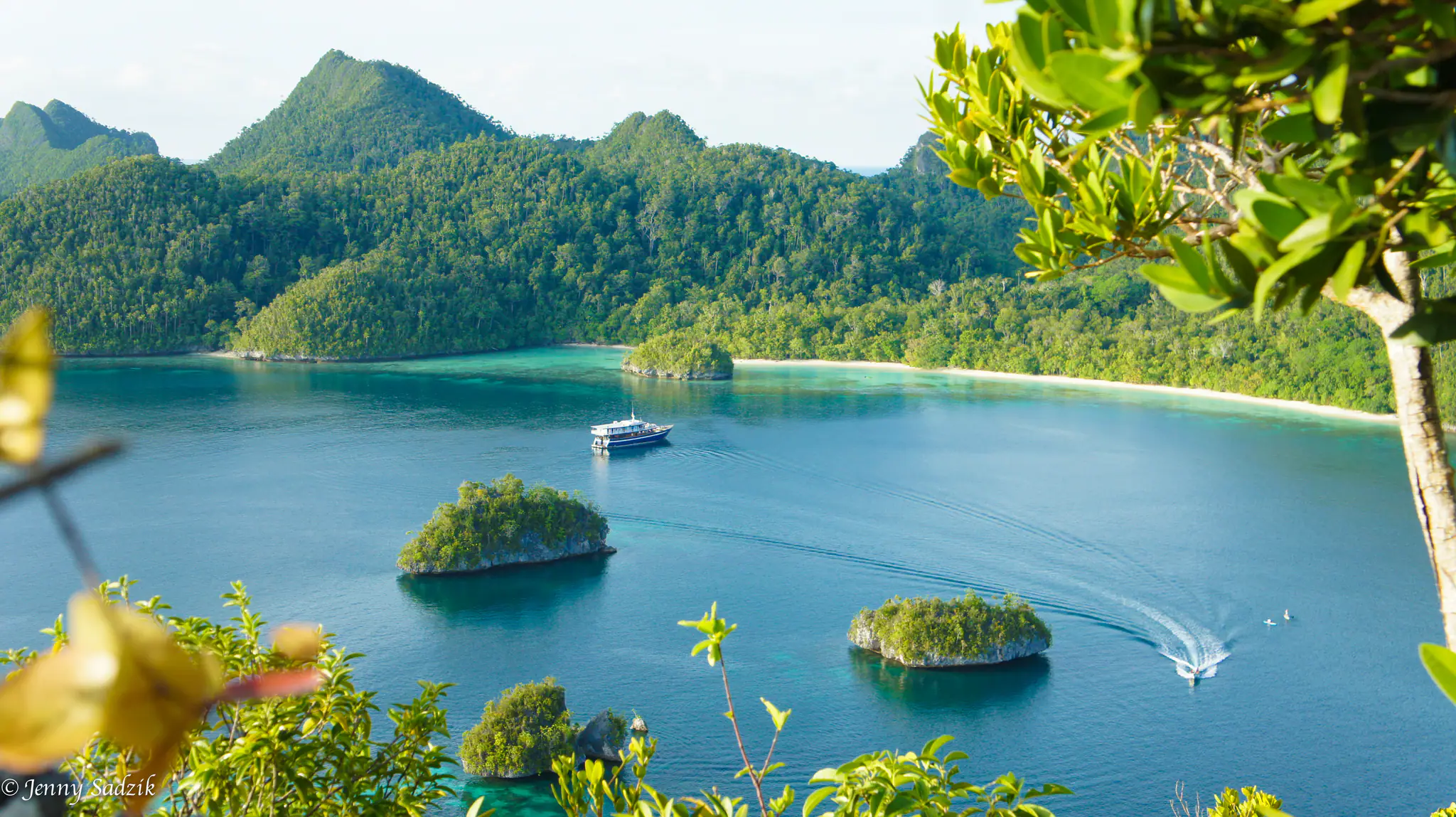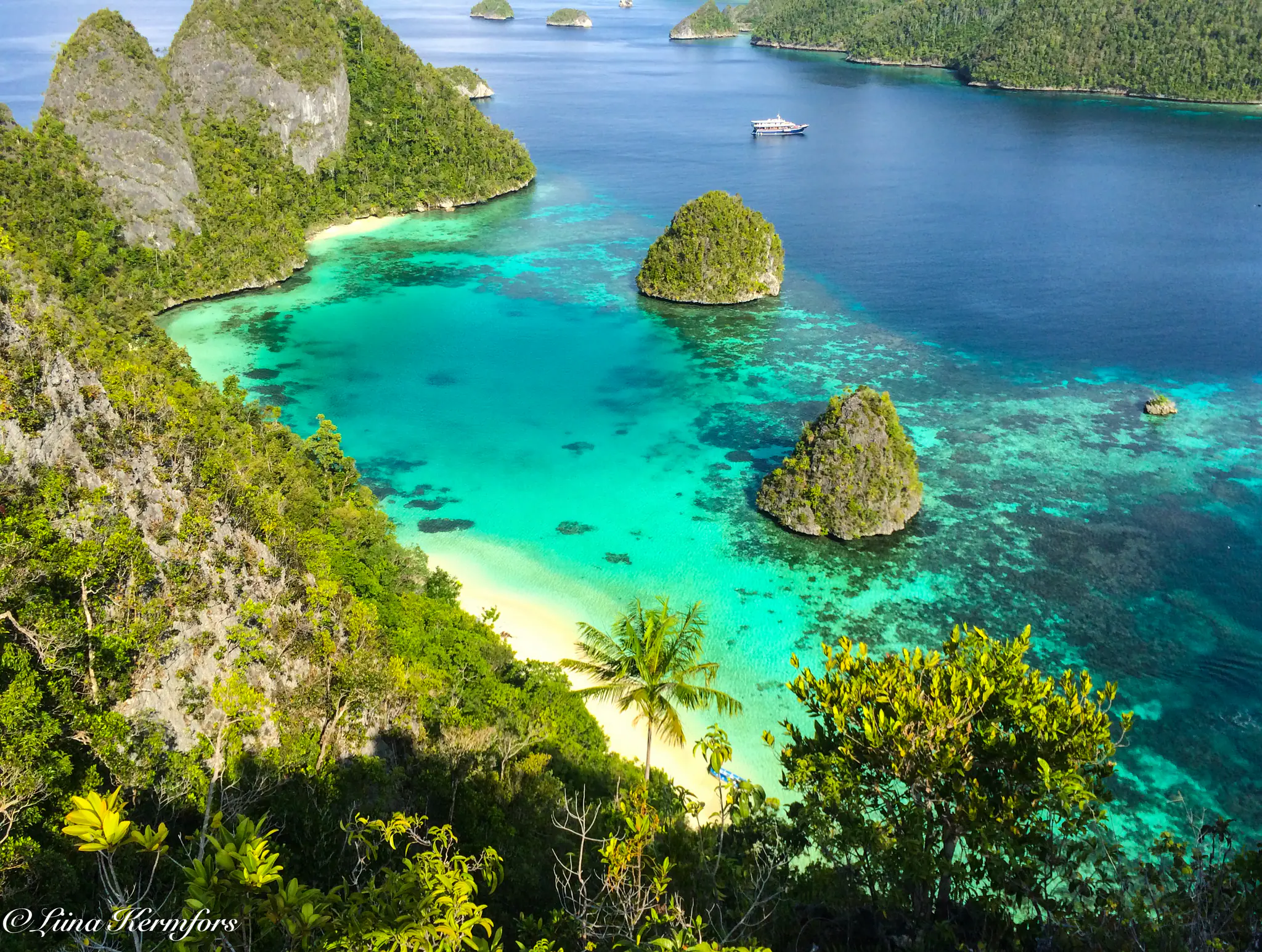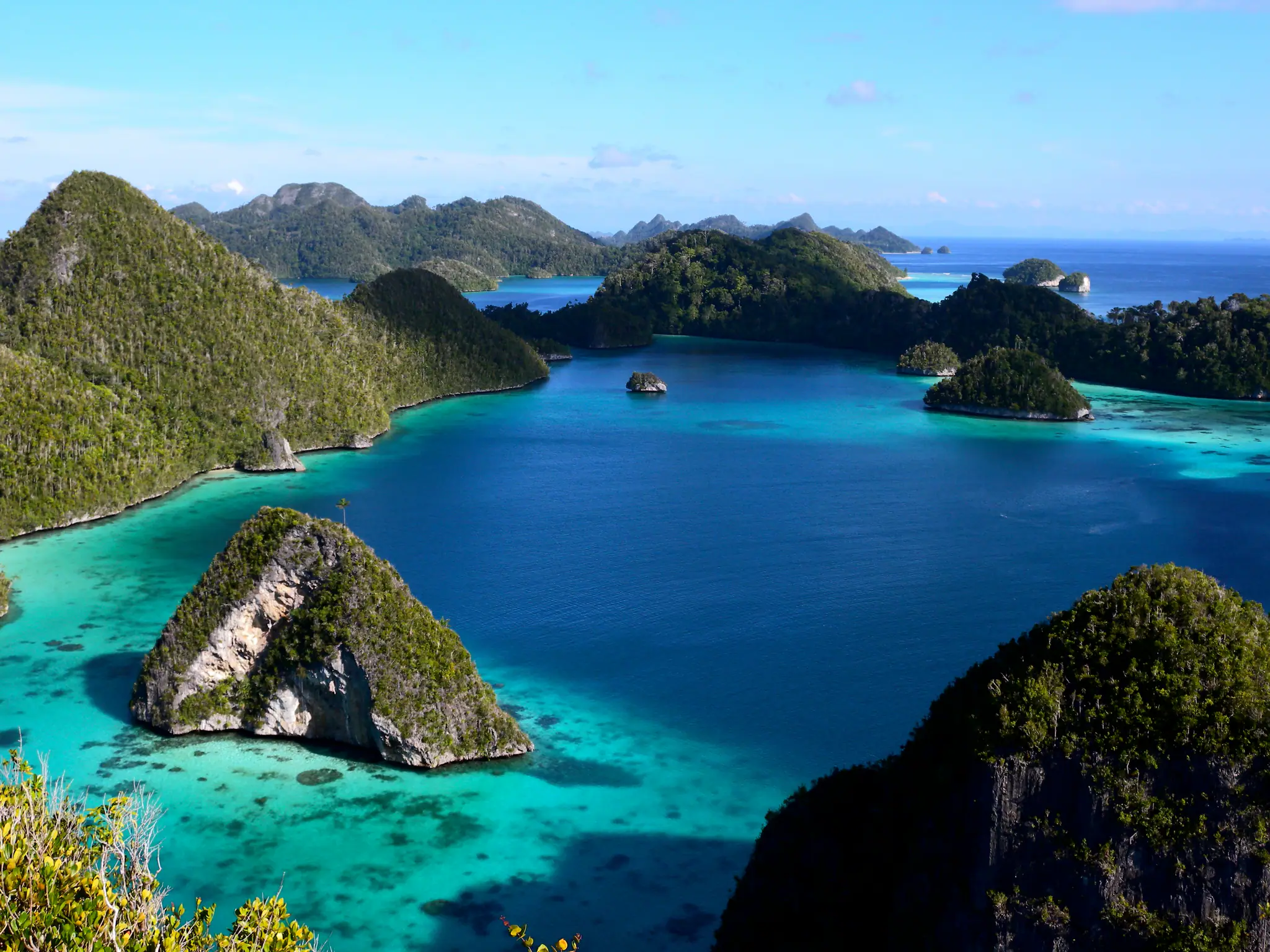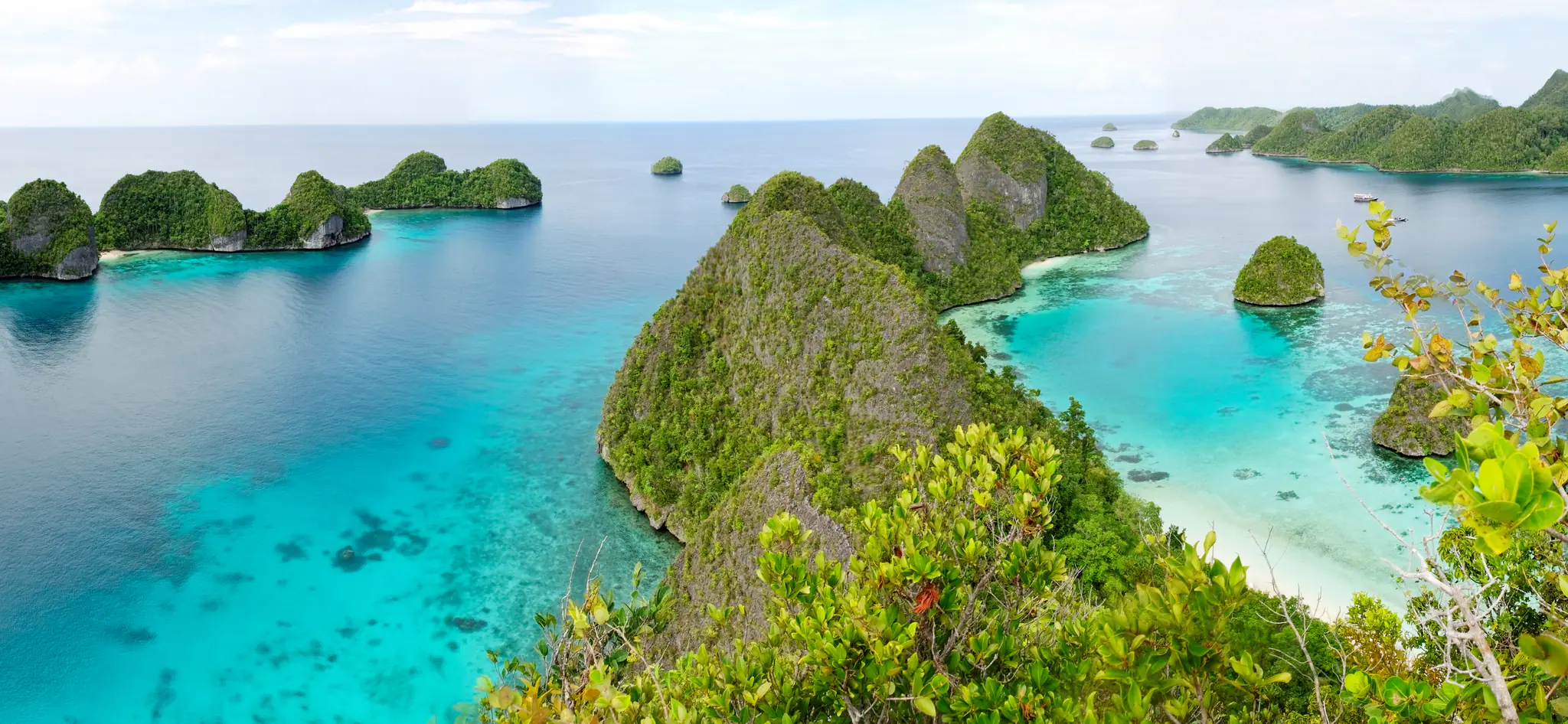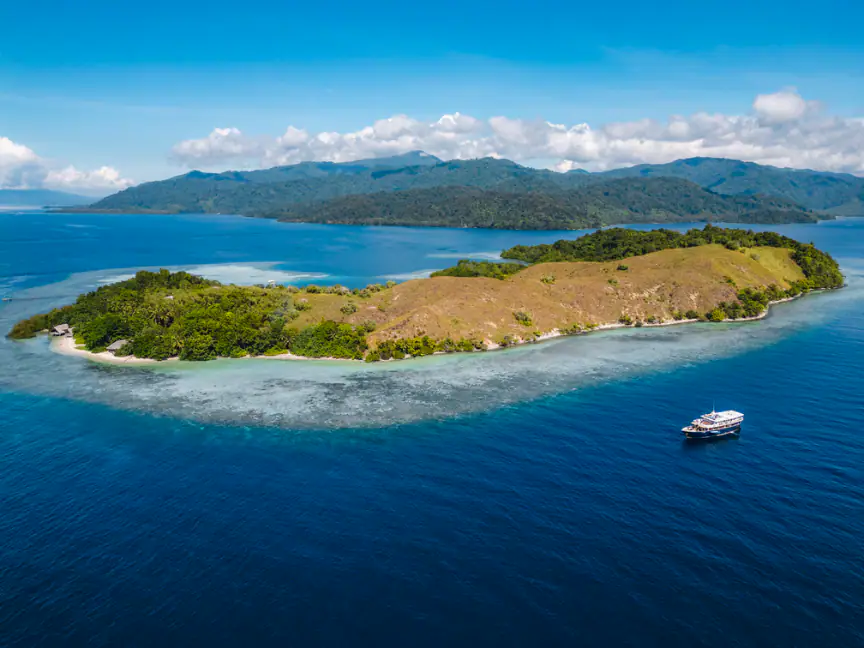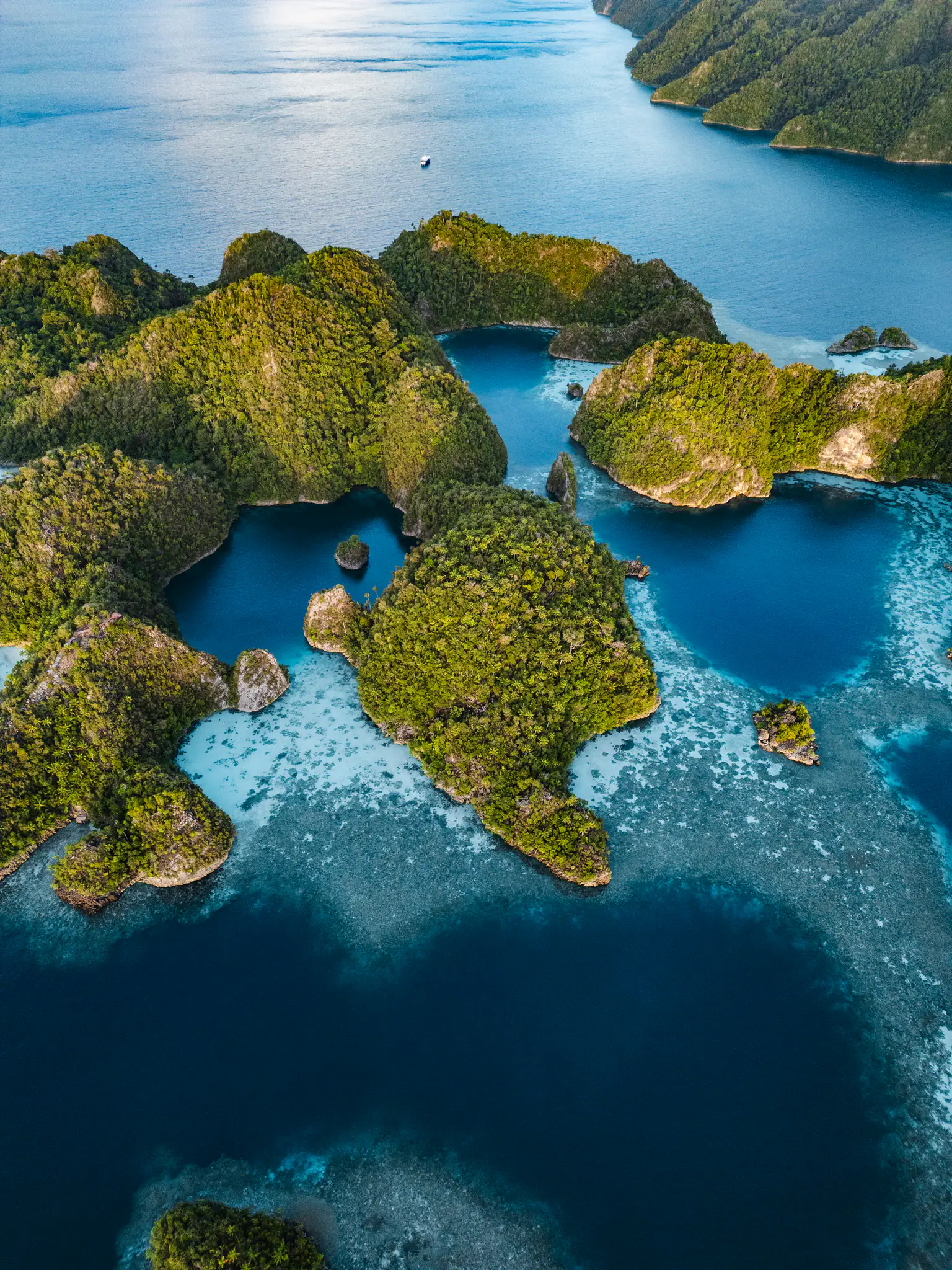

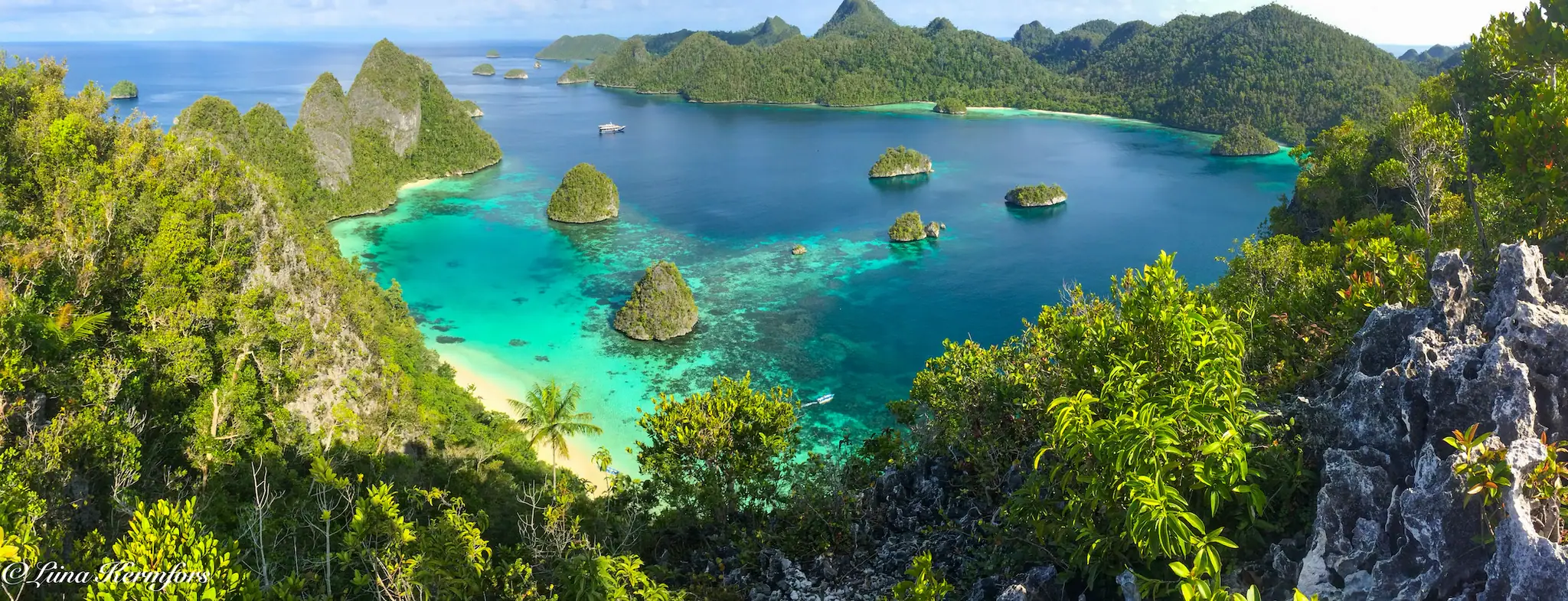
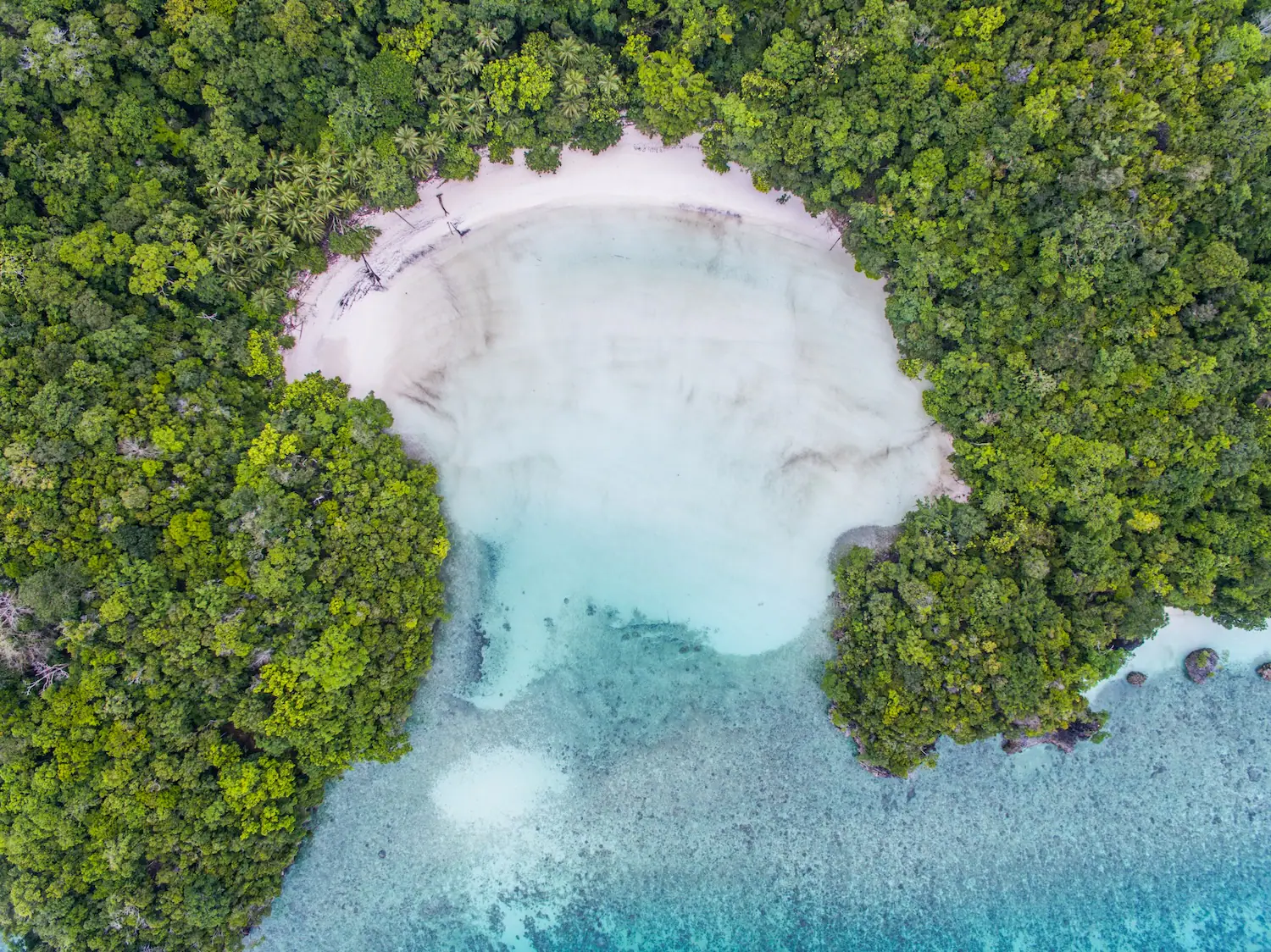
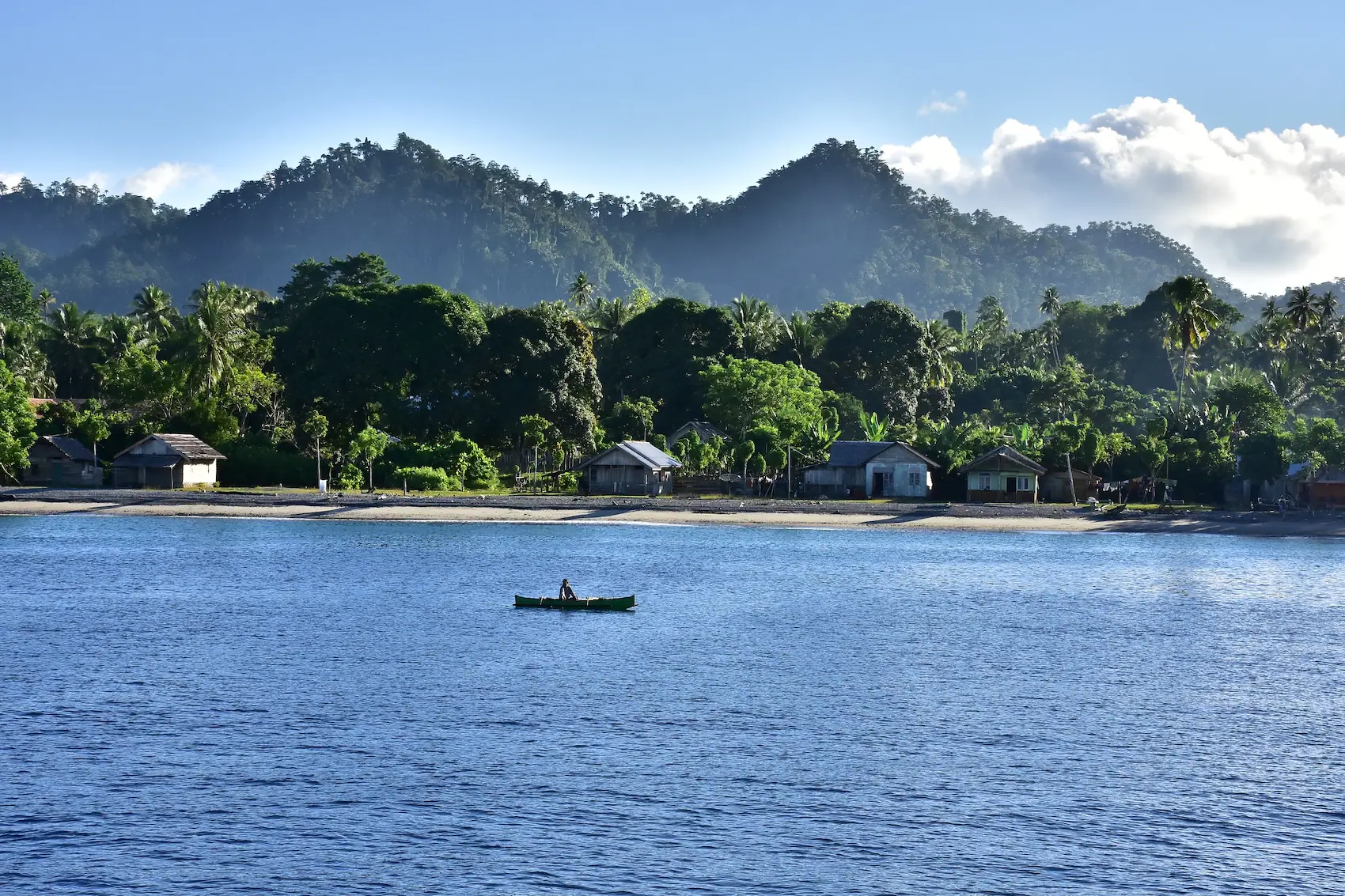
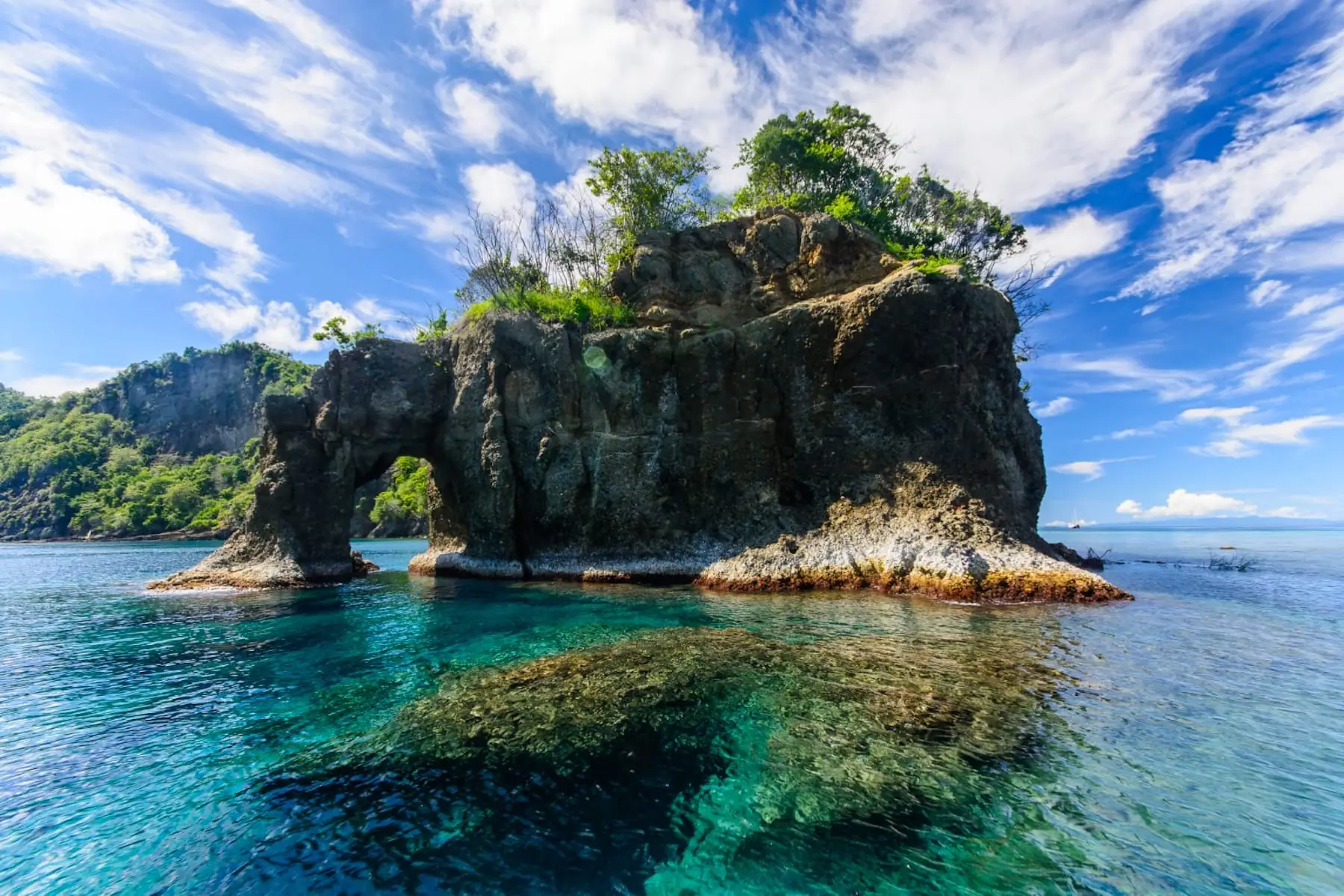
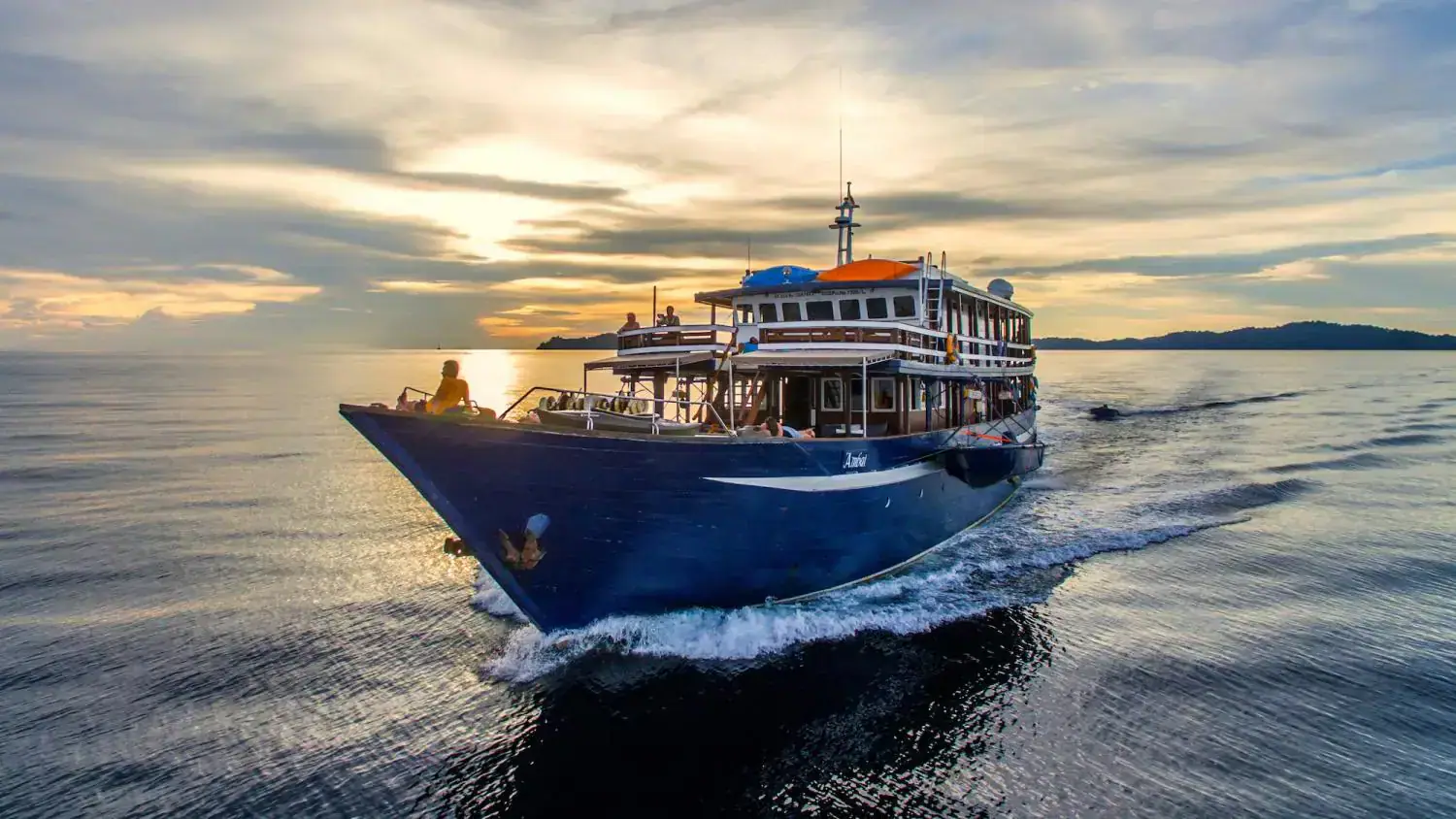
Raja Ampat is a bucket-list destination that delivers on every promise of untouched, wild marine beauty. While the northern and central straits offer incredible year-round diving, timing your trip between October and April unlocks the absolute best this archipelago has to offer.
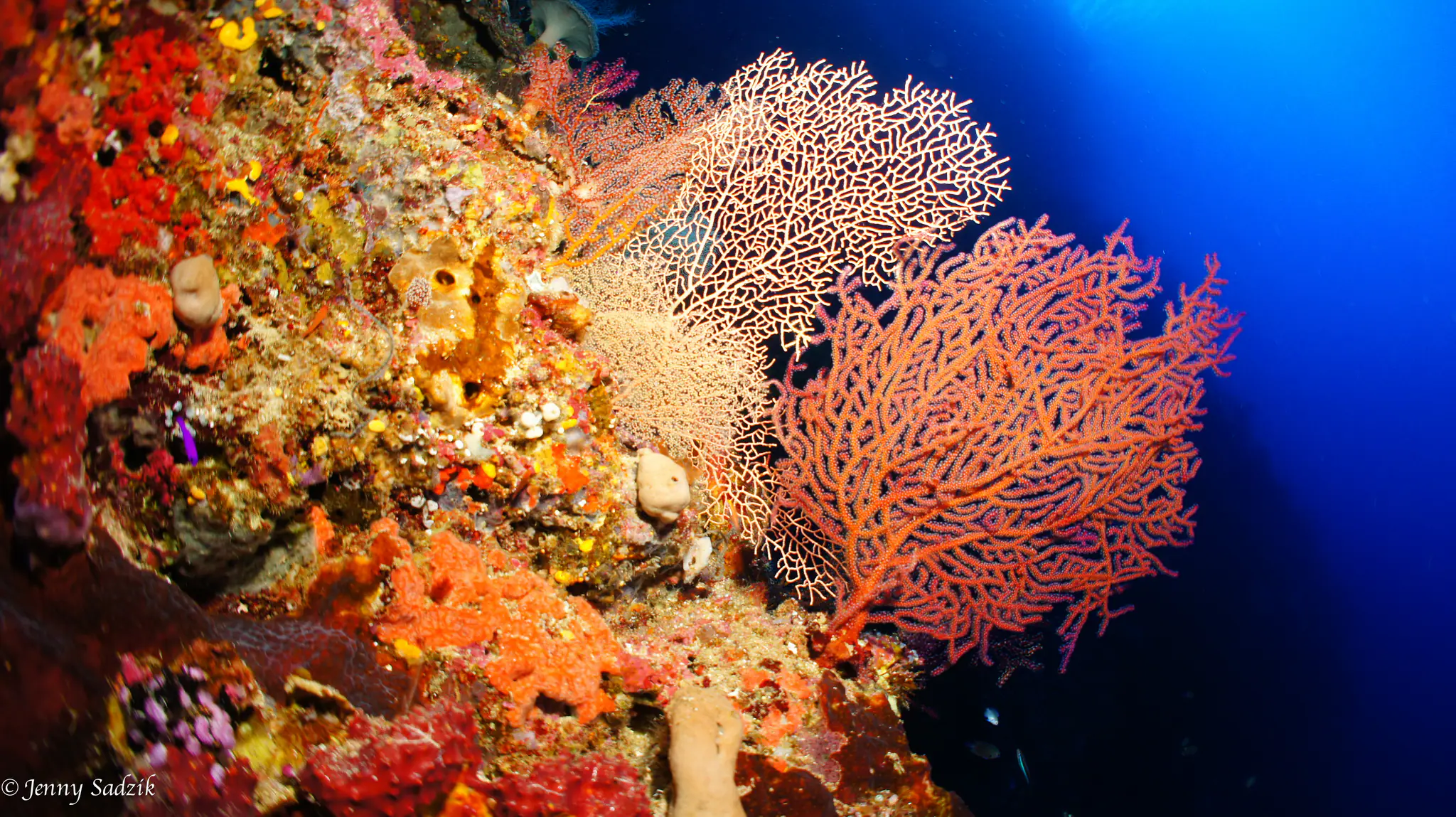
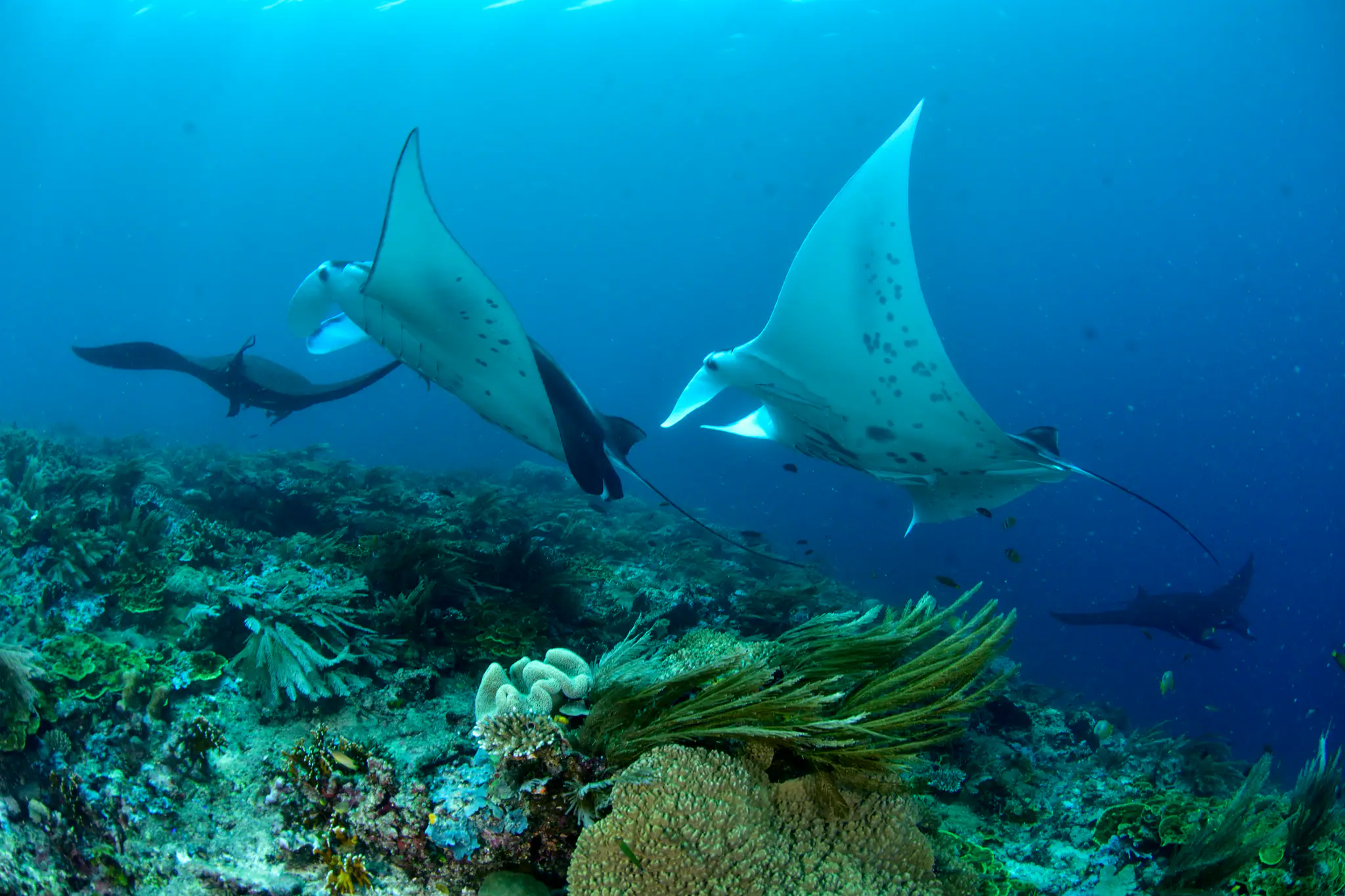
With ultimate access to the vibrant soft coral gardens of Misool, glassy ocean crossings, and the unforgettable sight of oceanic manta rays gliding through nutrient-rich currents, Raja Ampat liveaboard diving always has something for you to experience.
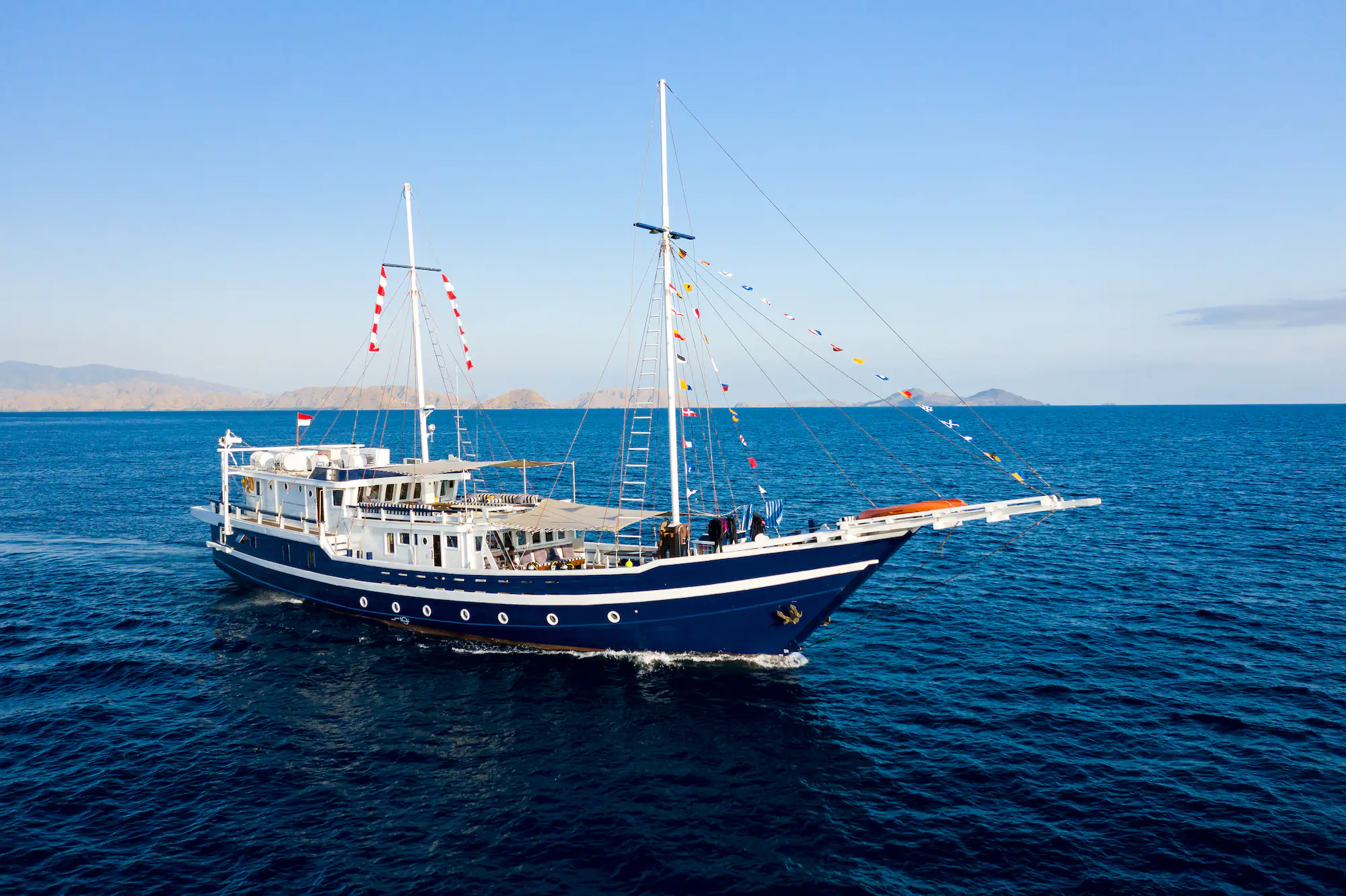
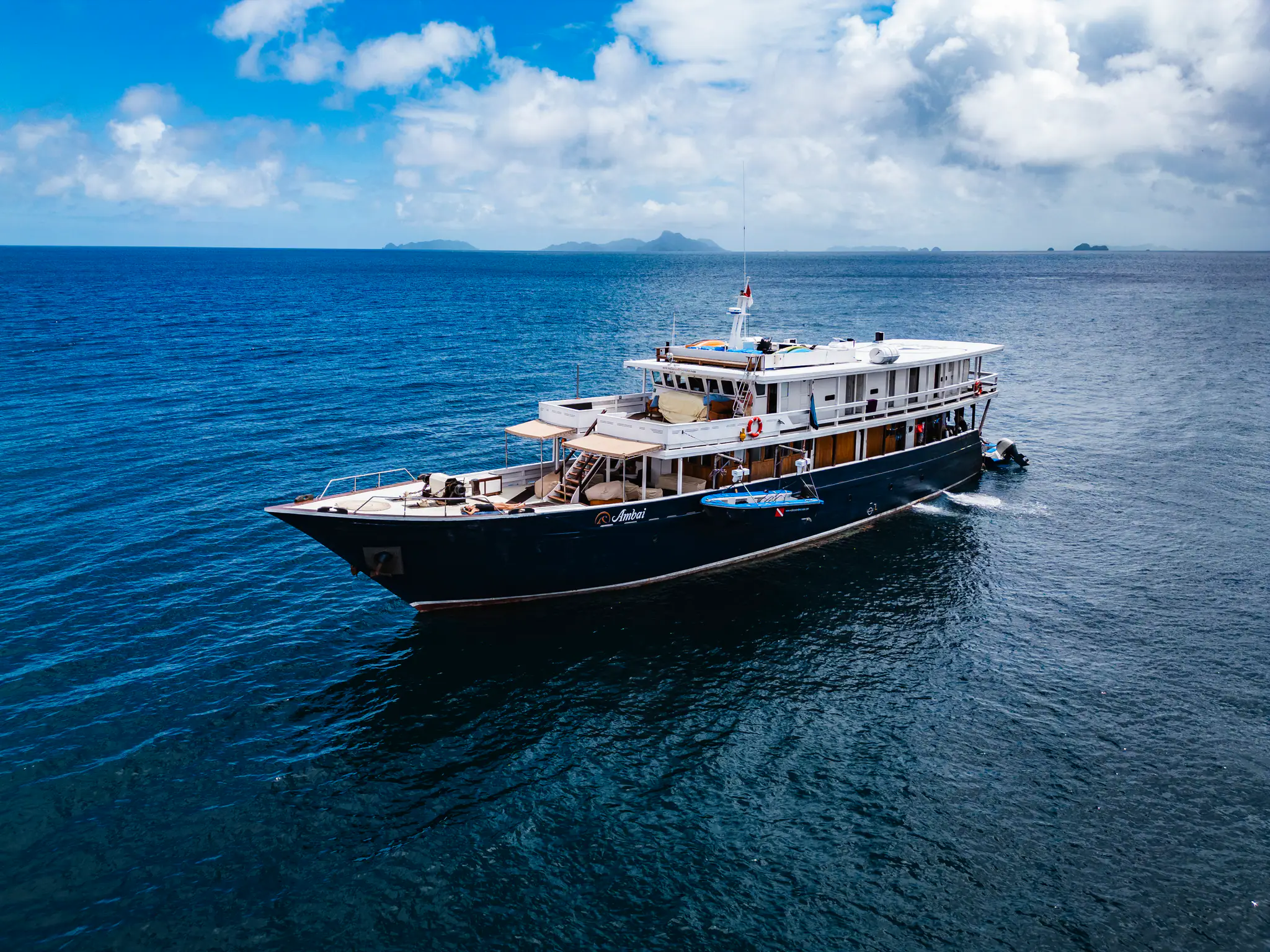
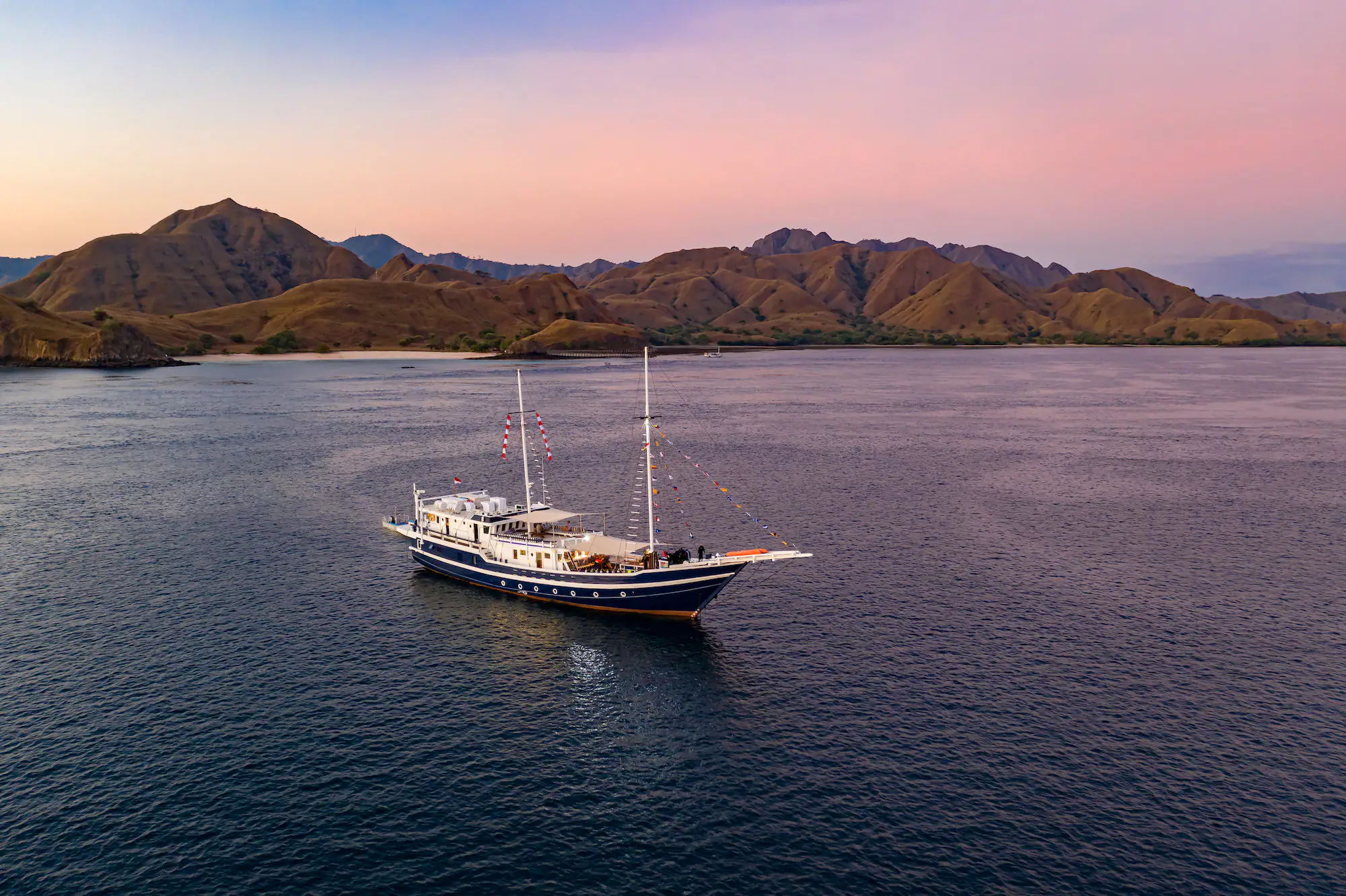
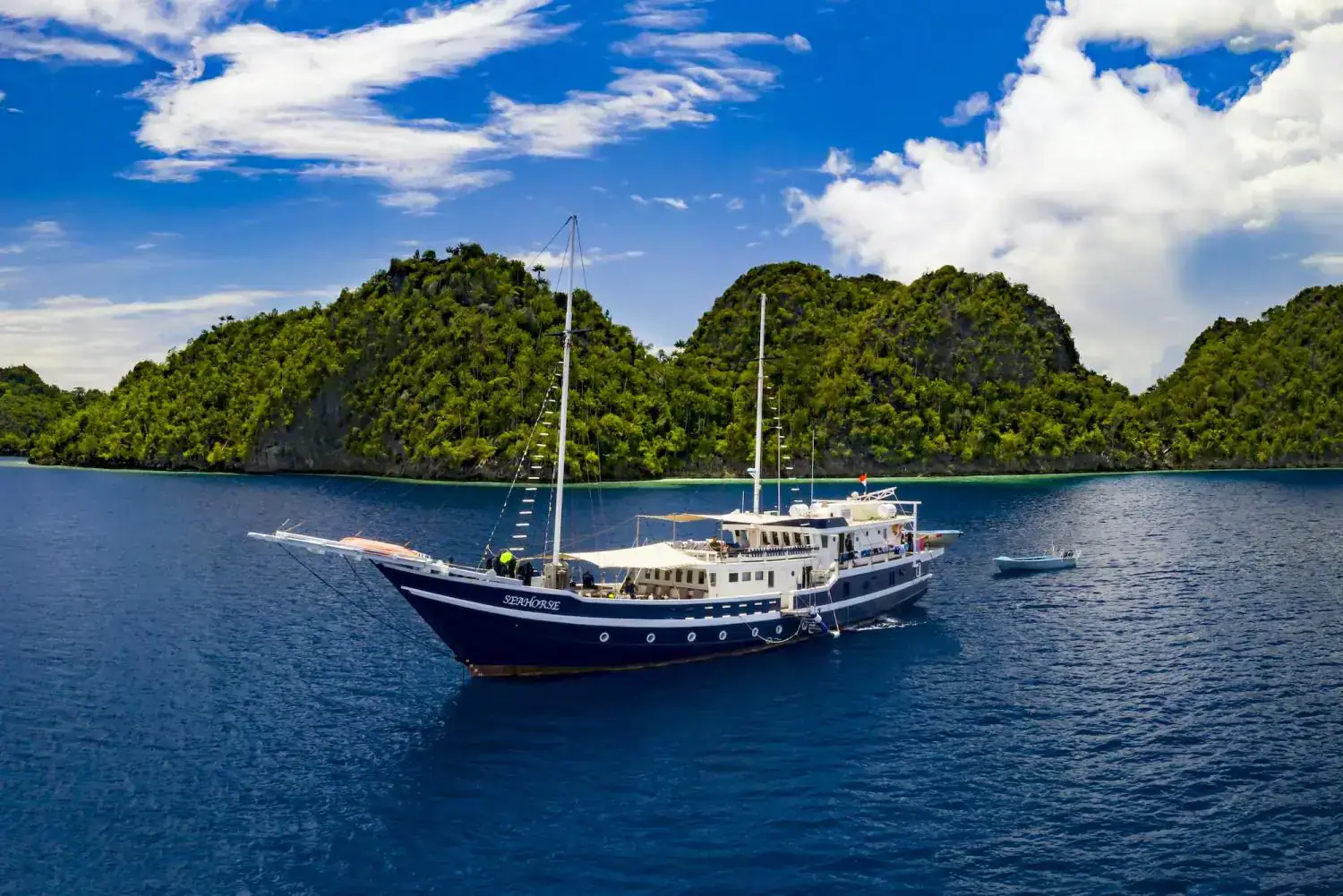
Preparation is key, as liveaboards book out months in advance. Secure your spot in the heart of the Coral Triangle today. Book your adventure on the MSY Seahorse or MV Ambai directly with Wallacea Dive Cruise to guarantee an unparalleled Raja Ampat liveaboard experience.
Frequently Asked Questions
1. What is the best month to dive in Raja Ampat?
The ideal time depends entirely on your diving goals. For a quieter experience, the October to December opening window is highly recommended. January to February is best for pelagic encounters, while March to April offers the highest visibility.
2. Which part of Raja Ampat is best for diving?
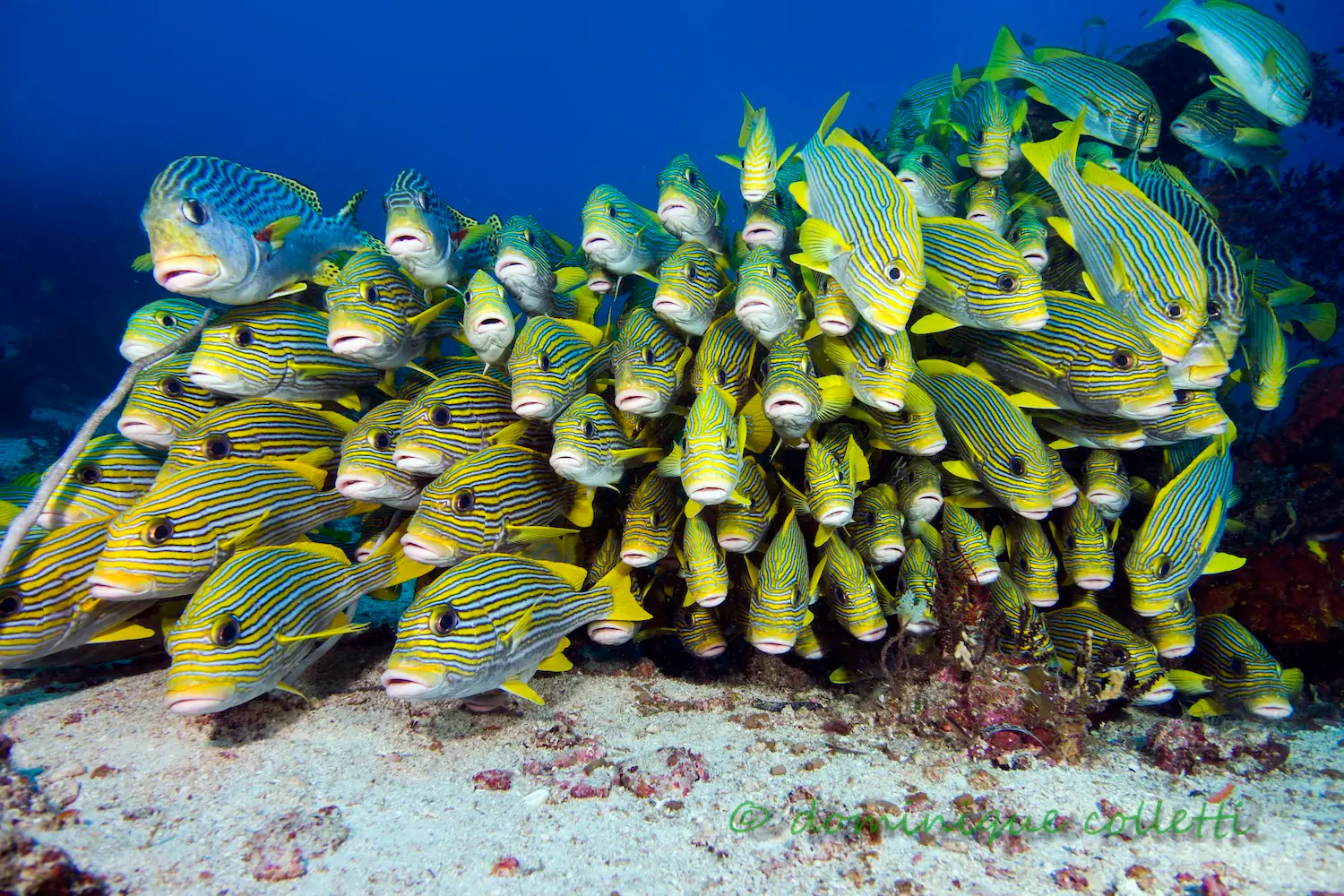
The central Dampier Strait is world-renowned for high-energy drift dives and massive schools of fish. Meanwhile, the southern region of Misool boasts the most spectacular soft coral gardens and oceanic manta cleaning stations. Learn more the Complete Guide to the Four Kings Raja Ampat Dive Sites.
3. Is diving in Raja Ampat difficult?
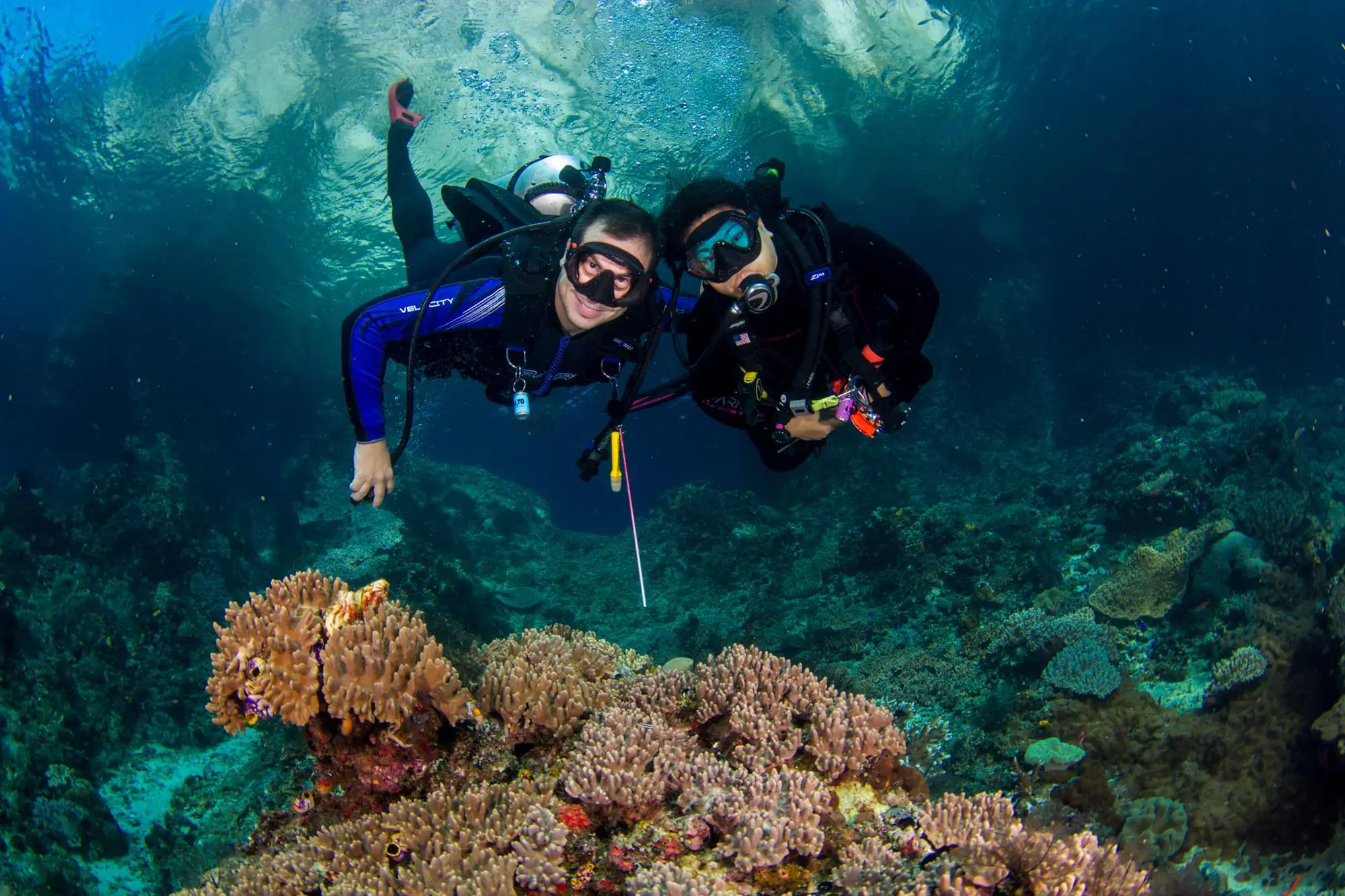
Raja Ampat is known for dynamic, strong currents, making the diving generally suited for intermediate to advanced divers. You should be comfortable with negative entries, neutral buoyancy, and drift diving. For more details on current conditions, check out our guide on Diving Levels in Raja Ampat.
4. Can beginners dive in Raja Ampat?
Yes, there are protected, sheltered sites with minimal current that are perfect for newer divers. However, joining a liveaboard to experience the premier dive sites generally requires an Advanced Open Water certification and at least 30 to 50 logged dives. Discover more beginner-friendly options in our Diving Levels in Raja Ampat breakdown.
5. How much does it cost to dive in Raja Ampat, Indonesia?
Exploring the archipelago aboard a premium Raja Ampat liveaboard starts from €4,905 per person. Remember to budget for additional costs like marine park entry fees, diving equipment rentals, and flights to Sorong.
6. Are there saltwater crocodiles in Raja Ampat?
Yes, saltwater crocodiles are native to the region, but they almost exclusively inhabit murky, brackish mangrove estuaries. They actively avoid the clear, open ocean environments where scuba diving takes place. Sightings on recreational coral reefs are exceptionally rare, and professional guides always ensure guest safety.