
- Diving
Diving Levels in Raja Ampat and What to Except: for Beginner, Intermediate, Advanced
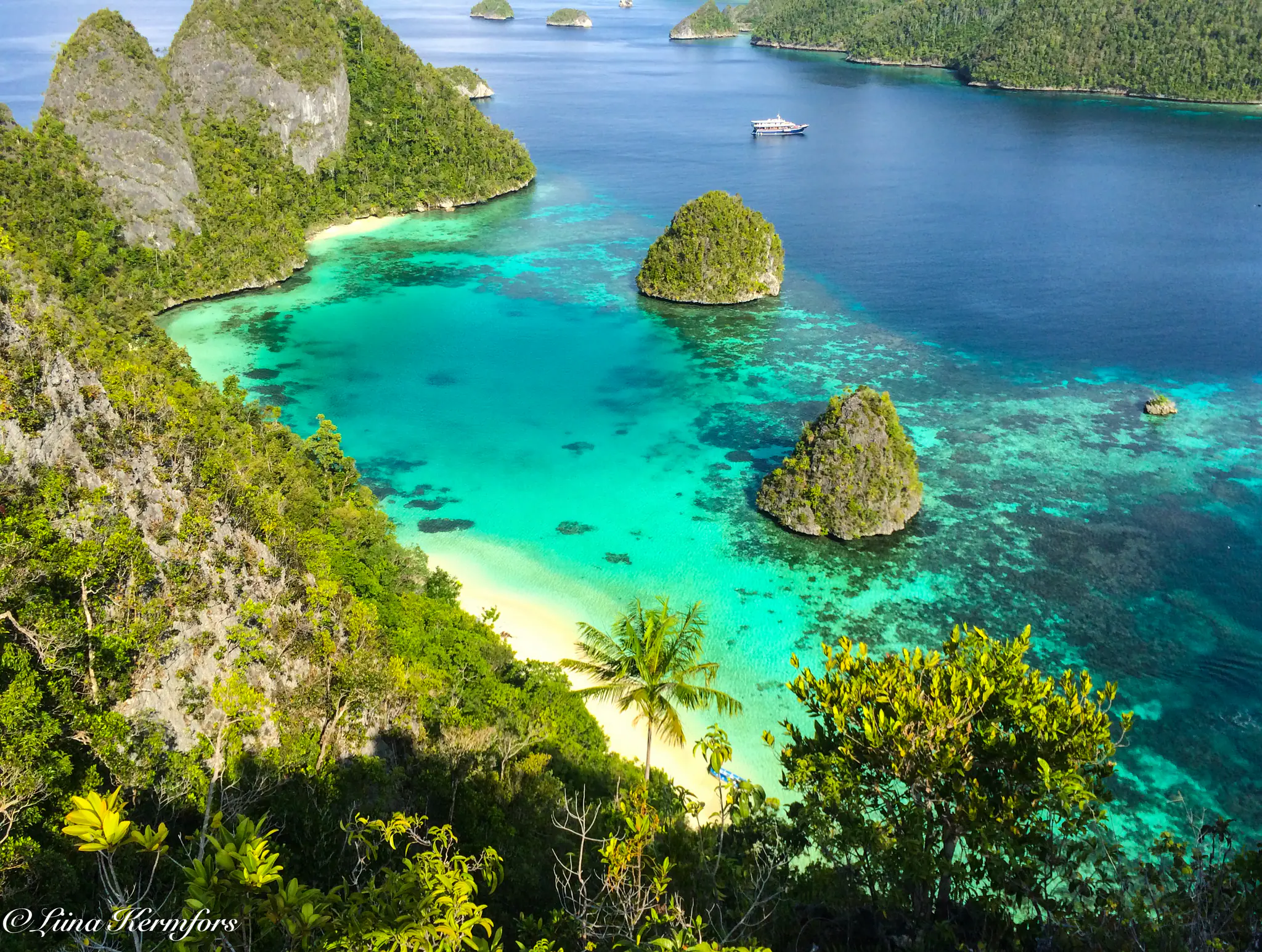
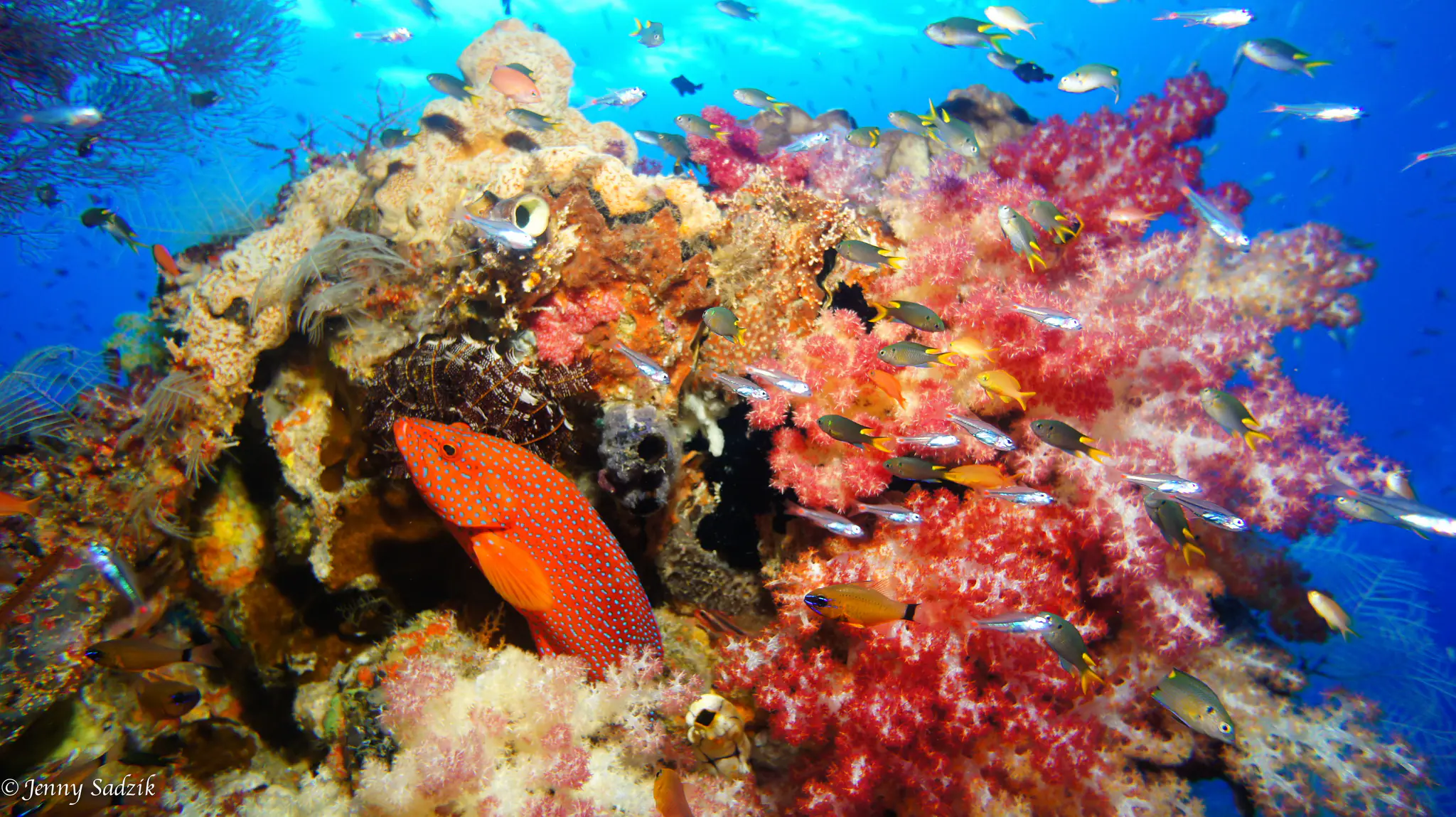
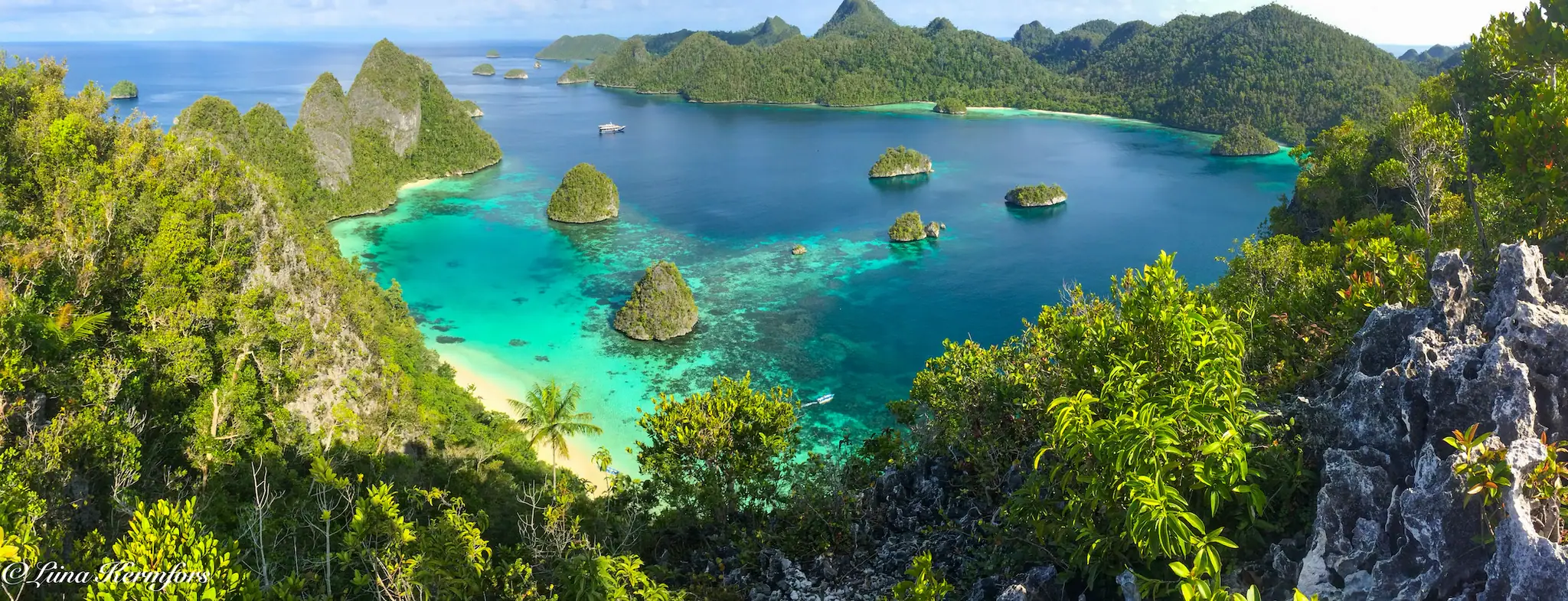
Raja Ampat diving is revered worldwide for its extraordinary biodiversity, warm waters (27–31°C), thriving coral ecosystems, and an astonishing density of marine life found nowhere else on earth. This region’s beauty is amplified by the powerful oceanic forces that shape it, especially the consistent currents that every diver must respect. As emphasized throughout Wallacea’s expeditions, understanding these conditions is essential when joining a Raja Ampat liveaboard experience.
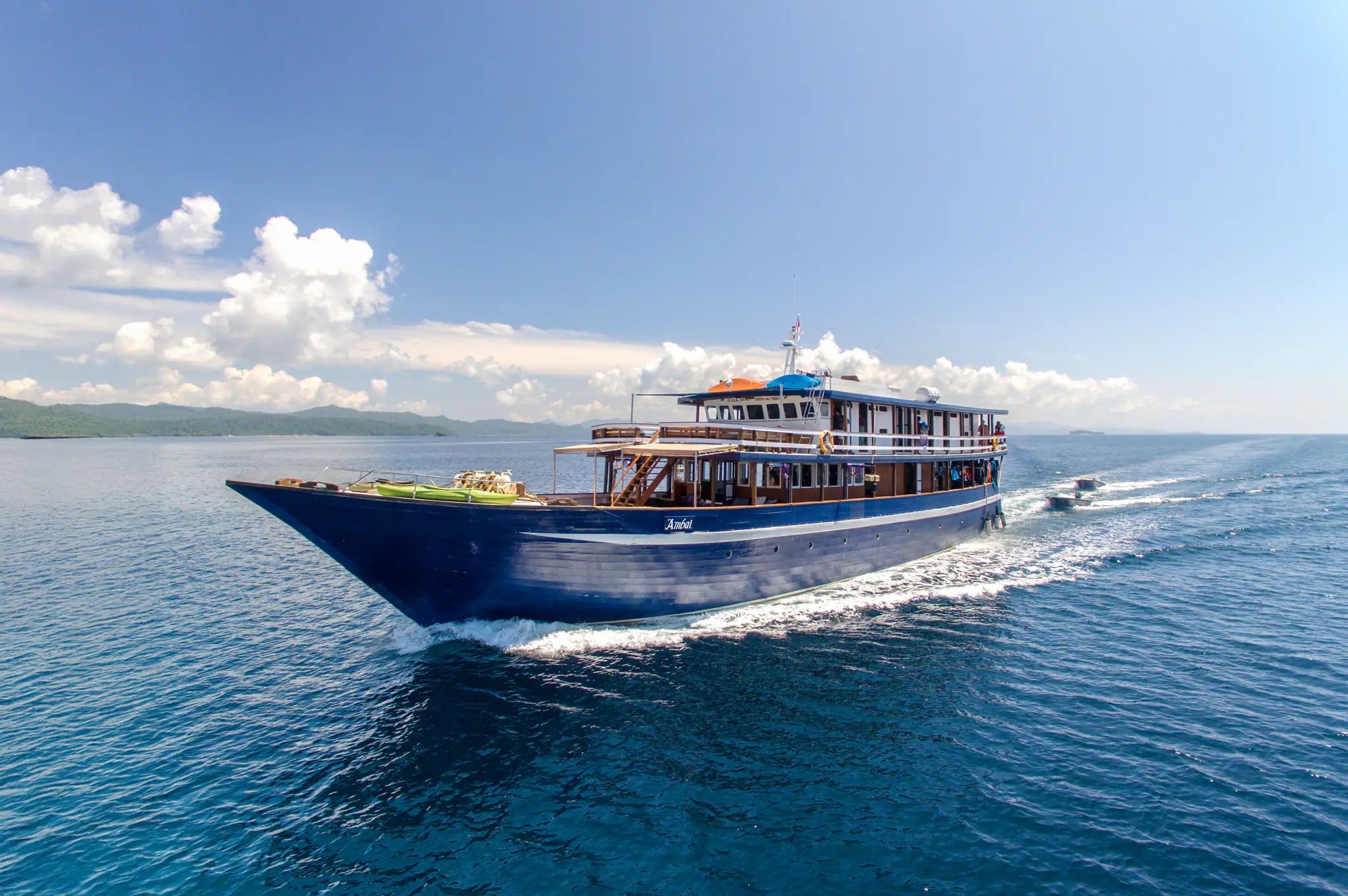
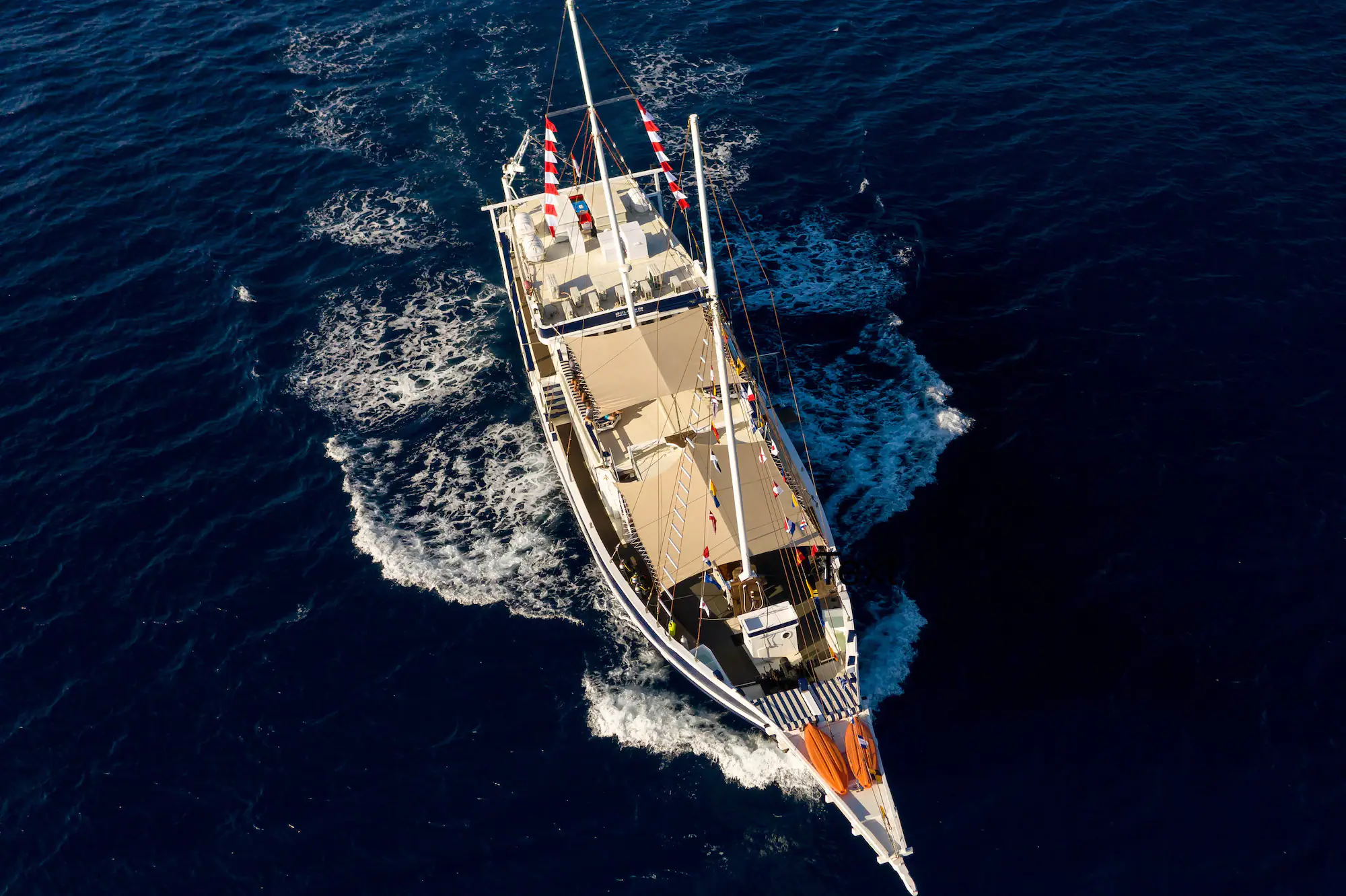
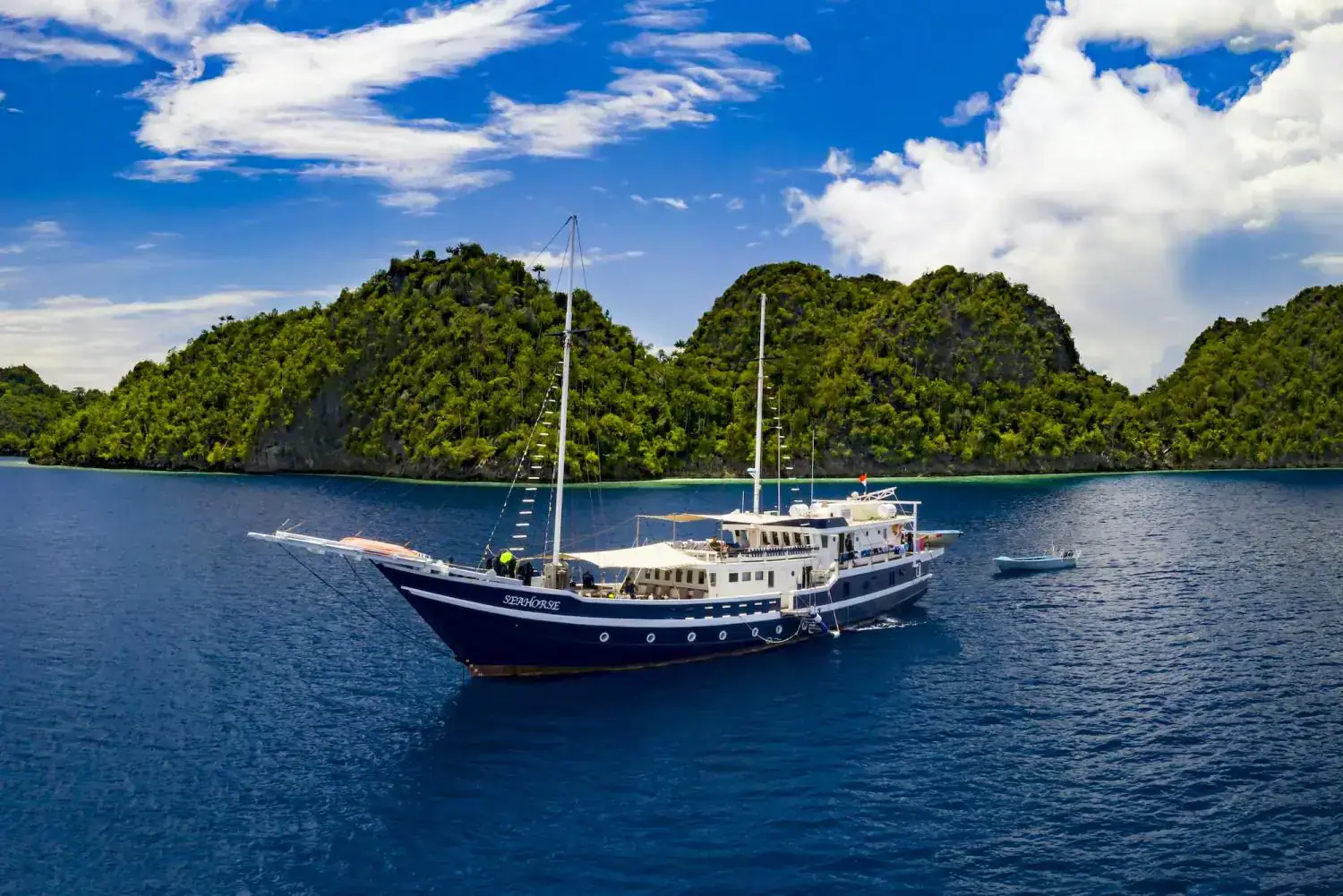
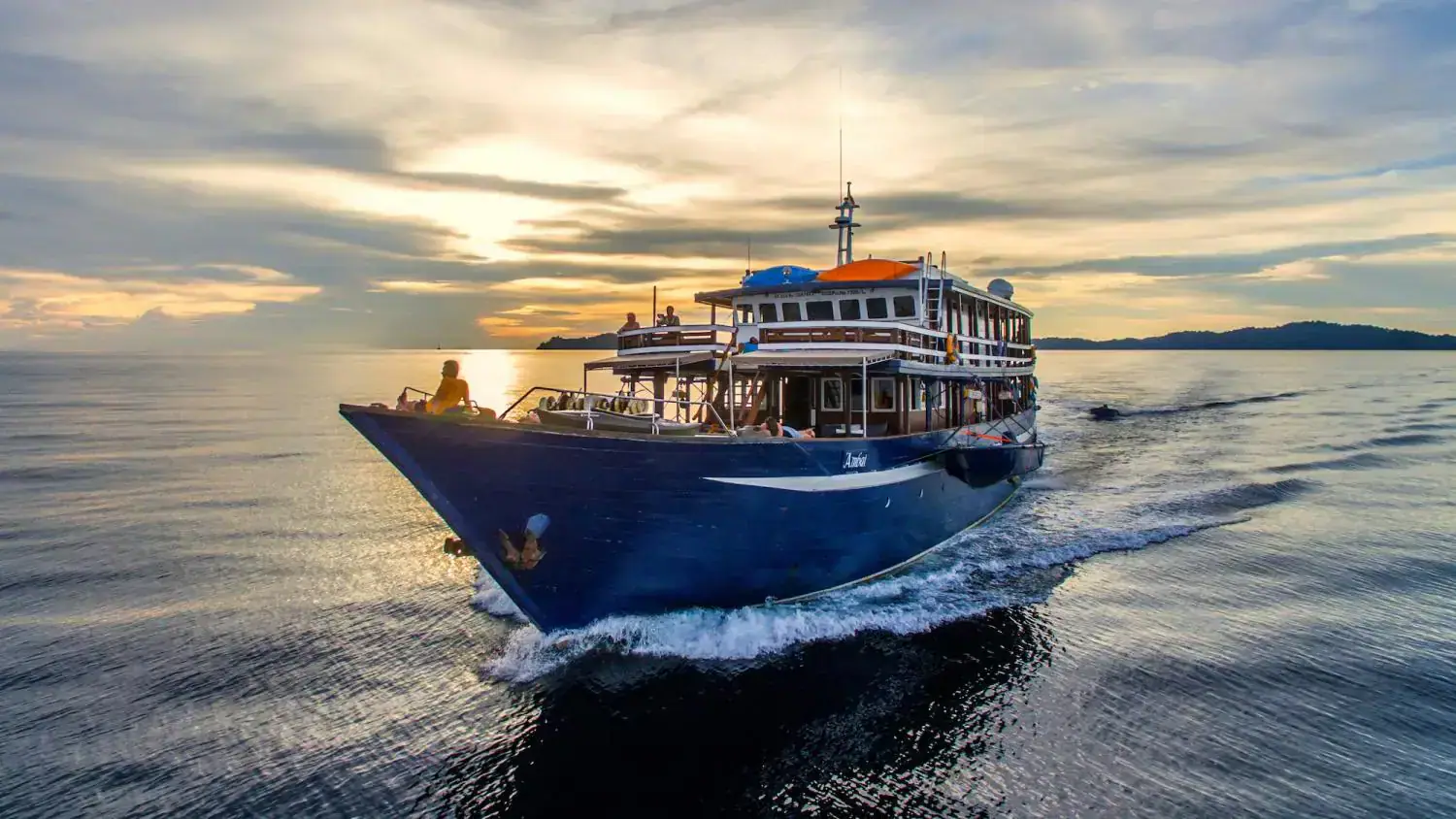
This guide helps divers evaluate whether Raja Ampat suits their skill level and how to enjoy it safely on a diving cruise, such as Wallacea’s Ambai Liveaboard or Seahorse Liveaboard.
Understanding Diving Conditions in Raja Ampat
Water Conditions & Visibility
Visibility during Raja Ampat diving typically ranges 10–20 meters, influenced by plankton blooms, tides, and seasonal changes. While visibility can shift, it usually signals healthy, thriving reefs, one of Raja Ampat’s signatures.
Water temperatures remain warm at 27–31°C, meaning most guests onboard our Wallacea diving cruise vessels, including Ambai Liveaboard and Seahorse Liveaboard, prefer a 3mm wetsuit or lighter. Coral cover is exceptional in every direction, and even beginner-friendly areas teem with life.
Currents: the Main Challenge
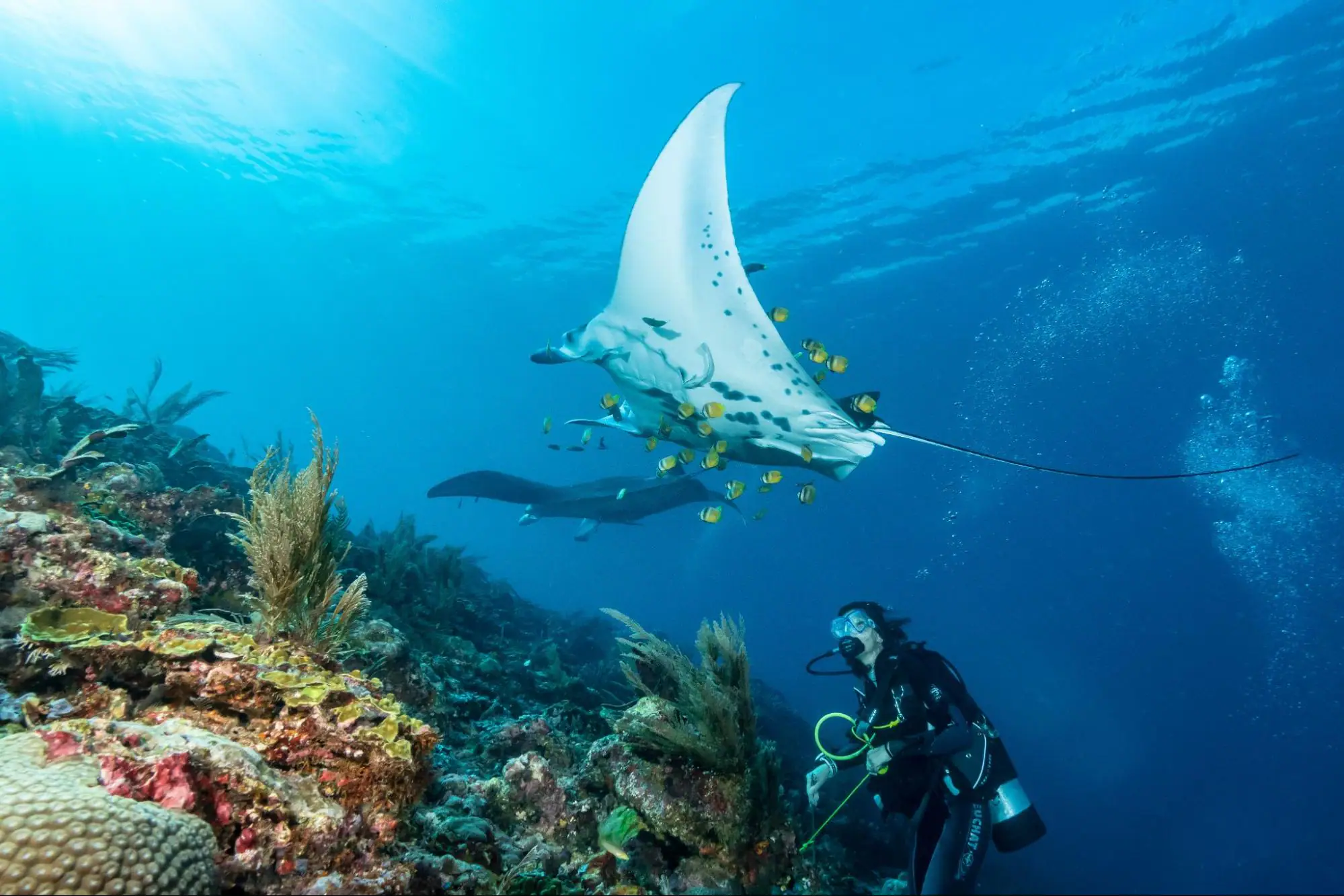
Raja Ampat sits at the junction where the Pacific flows into the Indian Ocean, creating powerful tidal exchanges. These currents bring nutrients that sustain manta rays, sharks, and schooling barracudas, but they also require divers to remain alert and comfortable in moving water.
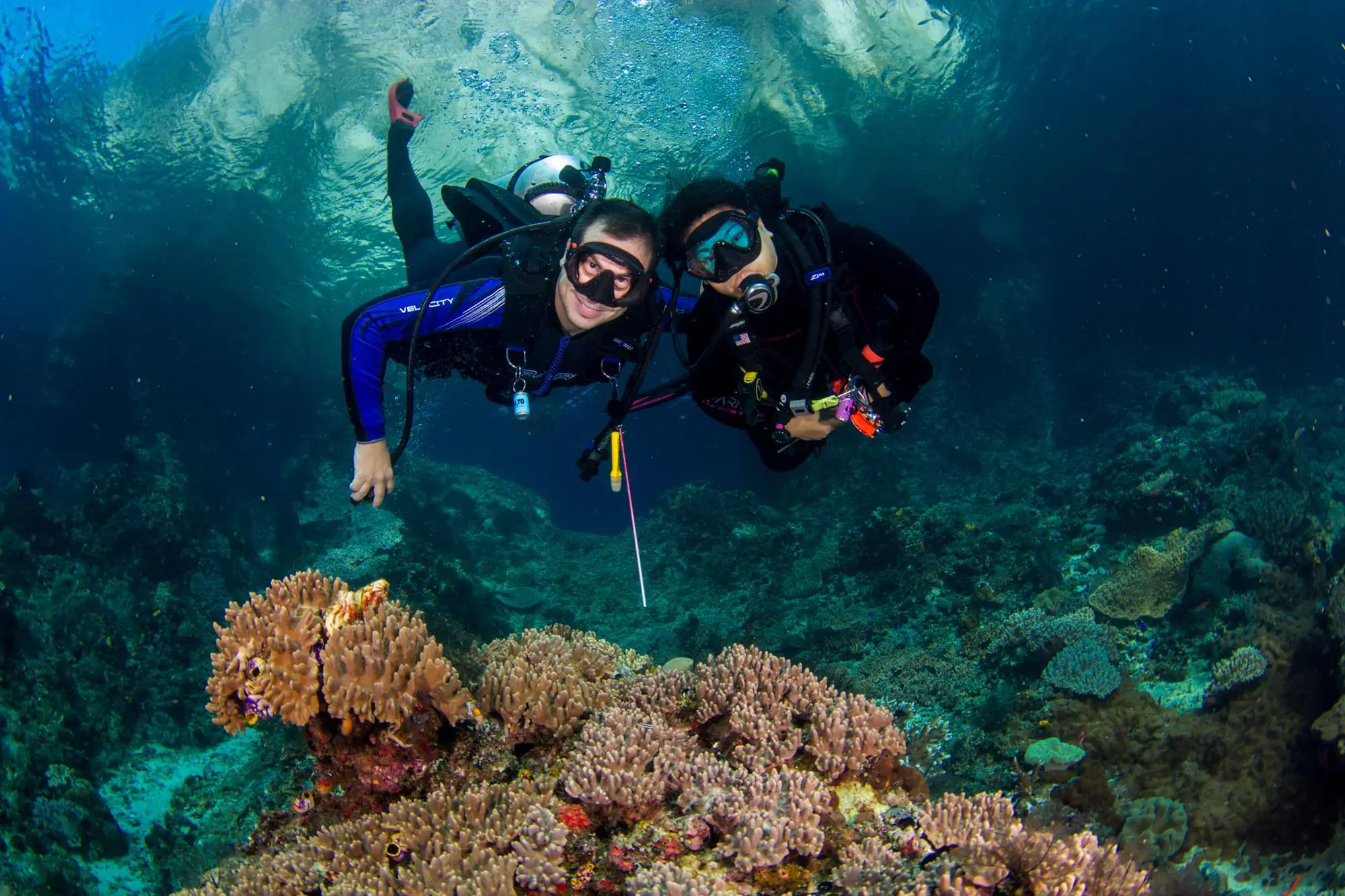
Drift dives are common, and Wallacea’s crew pays meticulous attention to tides and moon phases to avoid difficult or dangerous conditions. This is why joining a trusted operator on a Raja Ampat liveaboard diving cruise is essential for both safety and enjoyment.