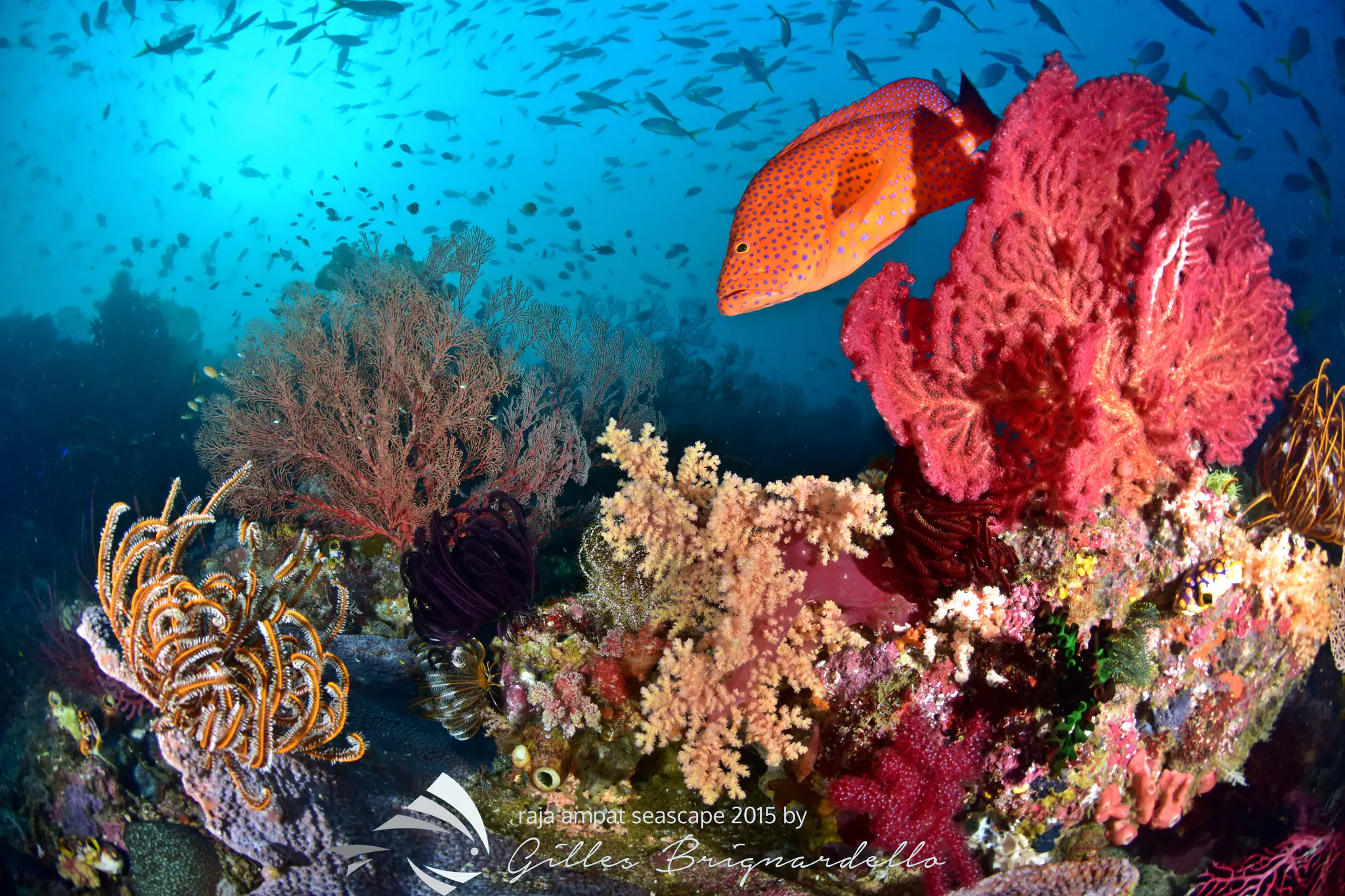
Diving in Raja Ampat is an unforgettable experience, but choosing the right season and understanding local conditions can make the difference between a good trip and a great one. Known for its world-class biodiversity and nutrient-rich waters, Raja Ampat also presents strong currents, shifting weather, and variable visibility. This guide breaks down everything divers need to know before planning a trip, helping you select the ideal time to explore one of the most remarkable Raja Ampat dive sites in the world.
Understanding Raja Ampat’s Diving Conditions
Visibility
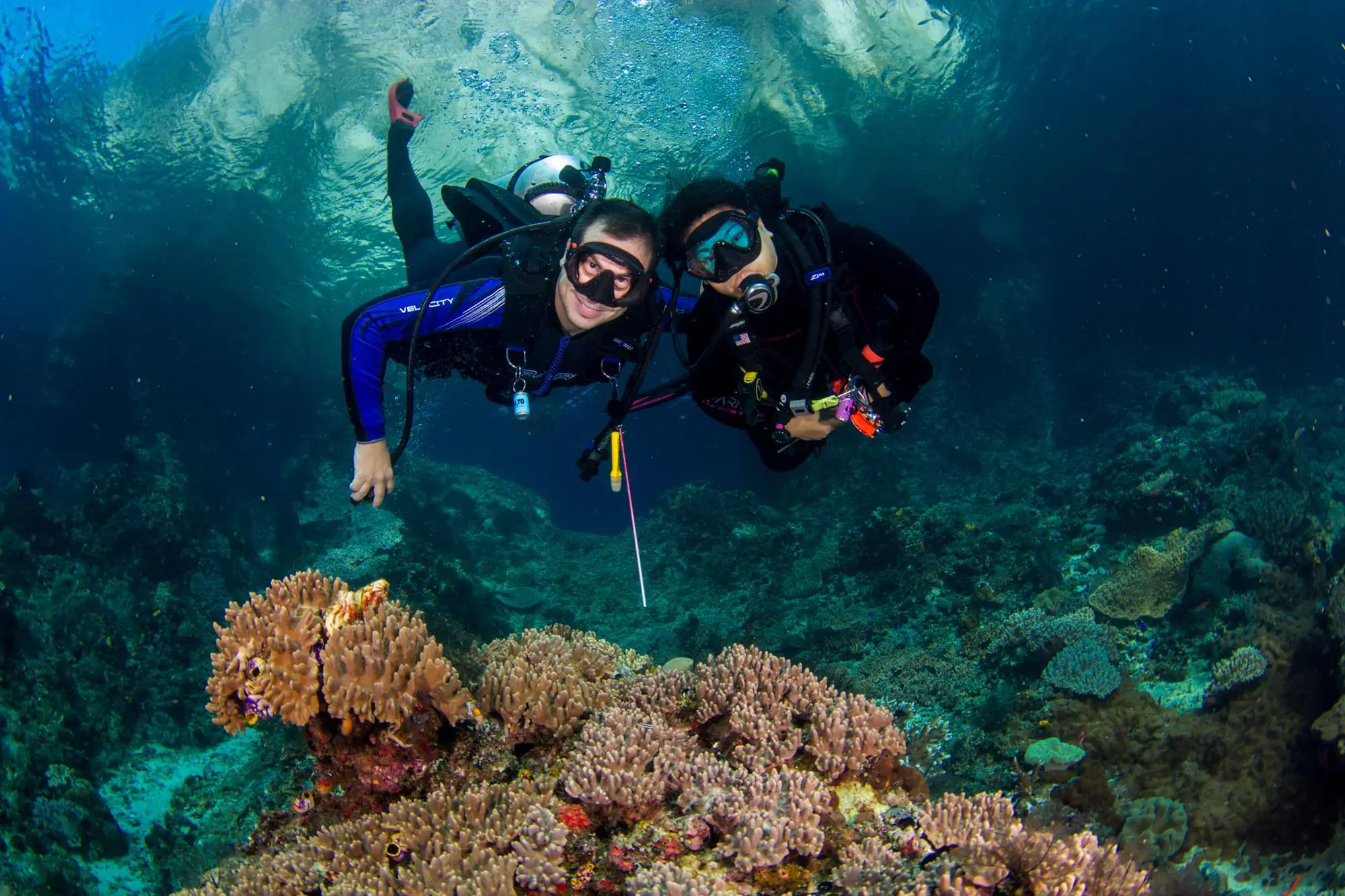
Visibility in Raja Ampat typically ranges between 10–20 metres. It fluctuates based on:
in Plankton blooms (which attract mantas but reduce visibility)
● Ocean currents transporting nutrients
● Weather patterns affecting sediment and surface conditions
Visibility often improves during the dry, calmer periods of the peak diving season, especially from November to March.
Water Temperature
Raja Ampat remains warm year-round, with water temperatures between 27–30°C:
● October–April: Usually 28–30°C
● May–September: Slightly cooler at 27–28°C due to wind and water movement
Most divers are comfortable in a 3mm wetsuit, while photographers or those prone to cold may prefer a 5mm during shoulder-season months.
Currents
Currents define the Raja Ampat diving experience. These nutrient-rich flows support healthy coral systems, large fish populations, and pelagic action—but they can also be physically demanding. There are two general types of dive sites:
● Current-heavy sites: Cape Kri, Manta Ridge, Sardine Reef: Ideal for advanced divers seeking action-packed dives.
● Calmer sites: Arborek Jetty, Friwen Wall: Suitable for beginners, snorkellers, and relaxed photography.
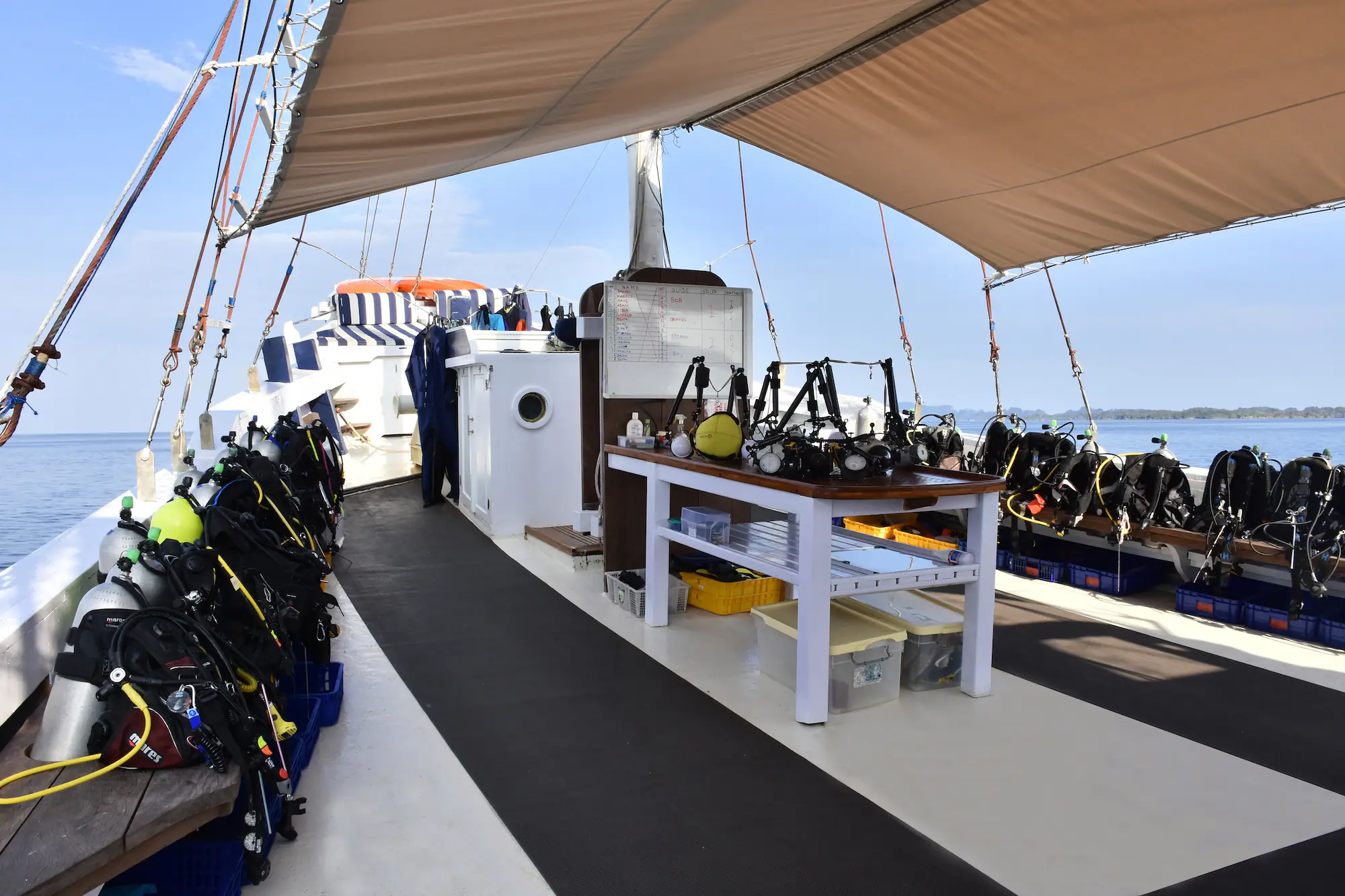
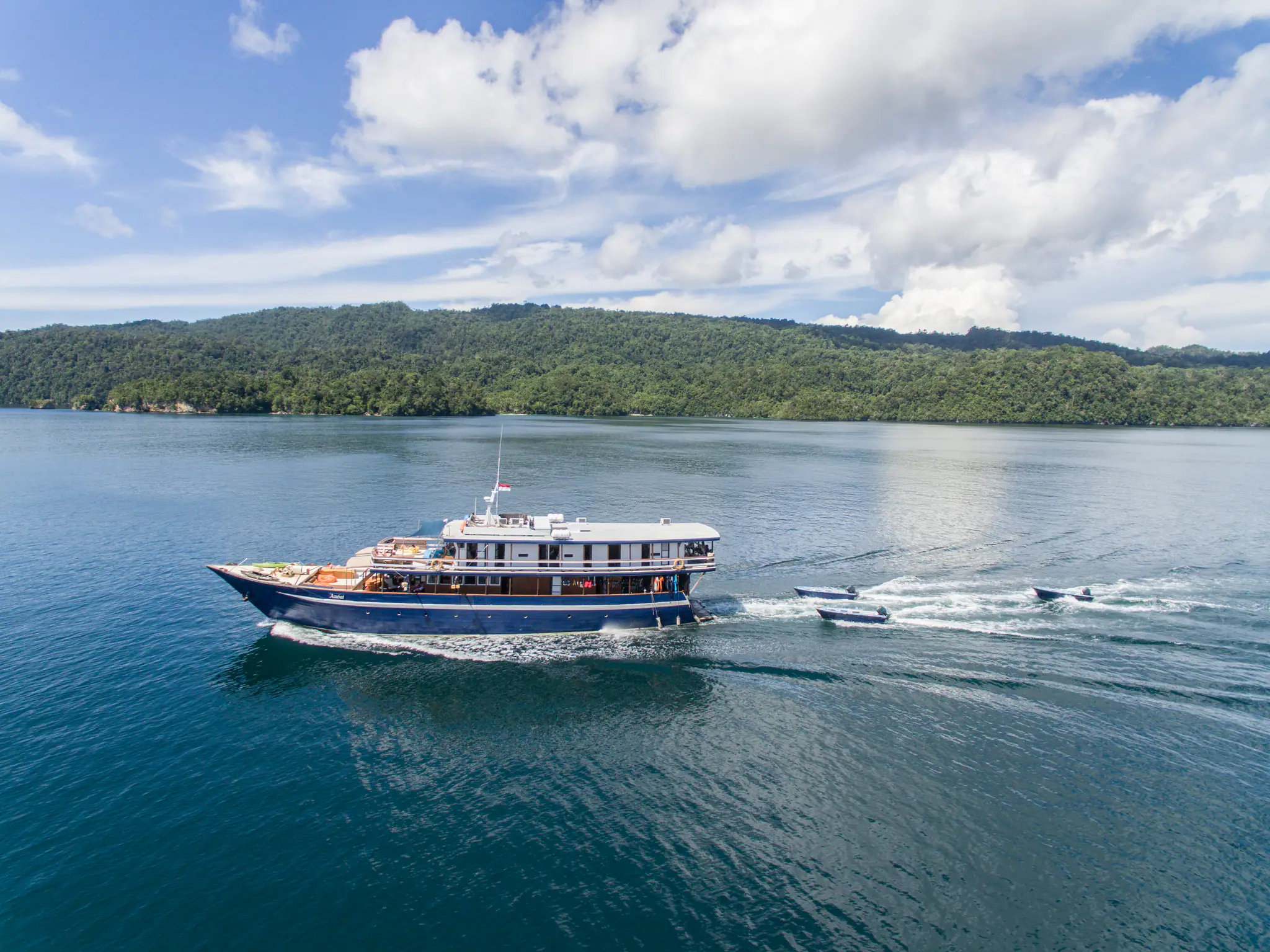
Understanding currents is essential, but aboard Wallacea Dive Cruises, every route, site choice, and safety detail is expertly planned, ensuring divers enjoy Raja Ampat at its best.