© 2025 Wallacea Dive Cruise. Web Design & Development by Kesato & Co.
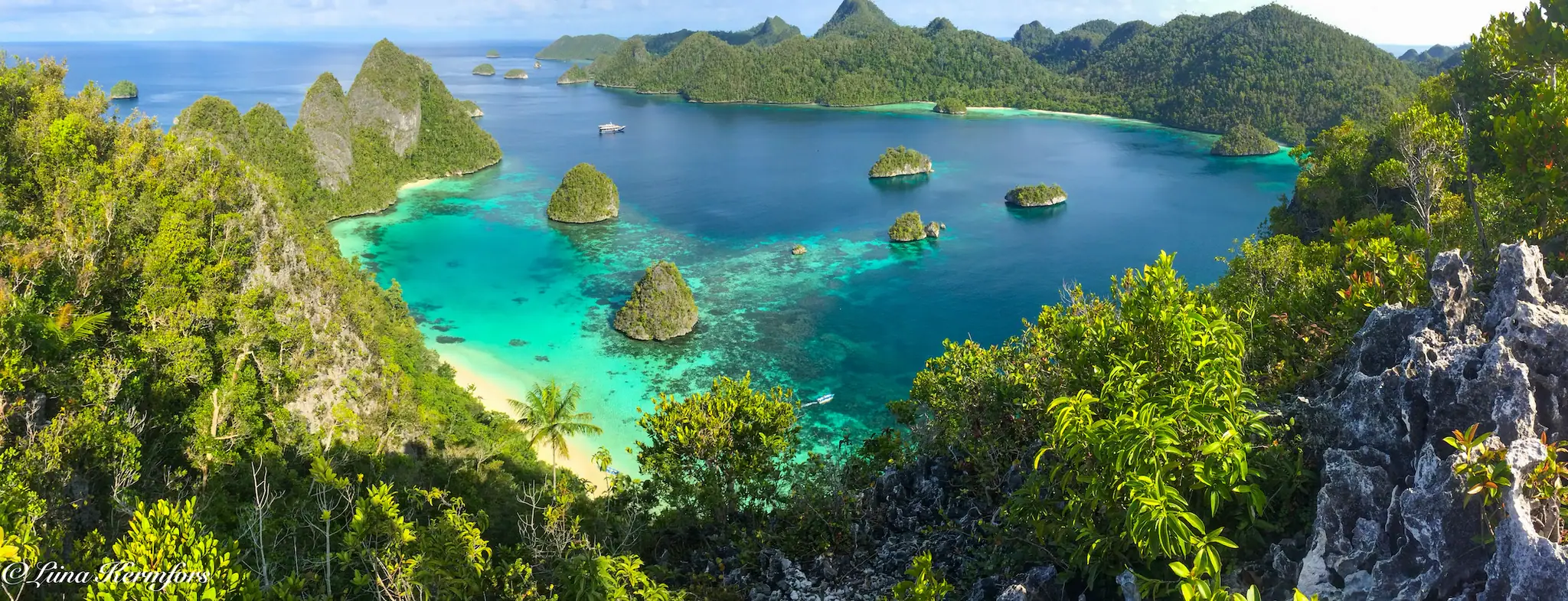
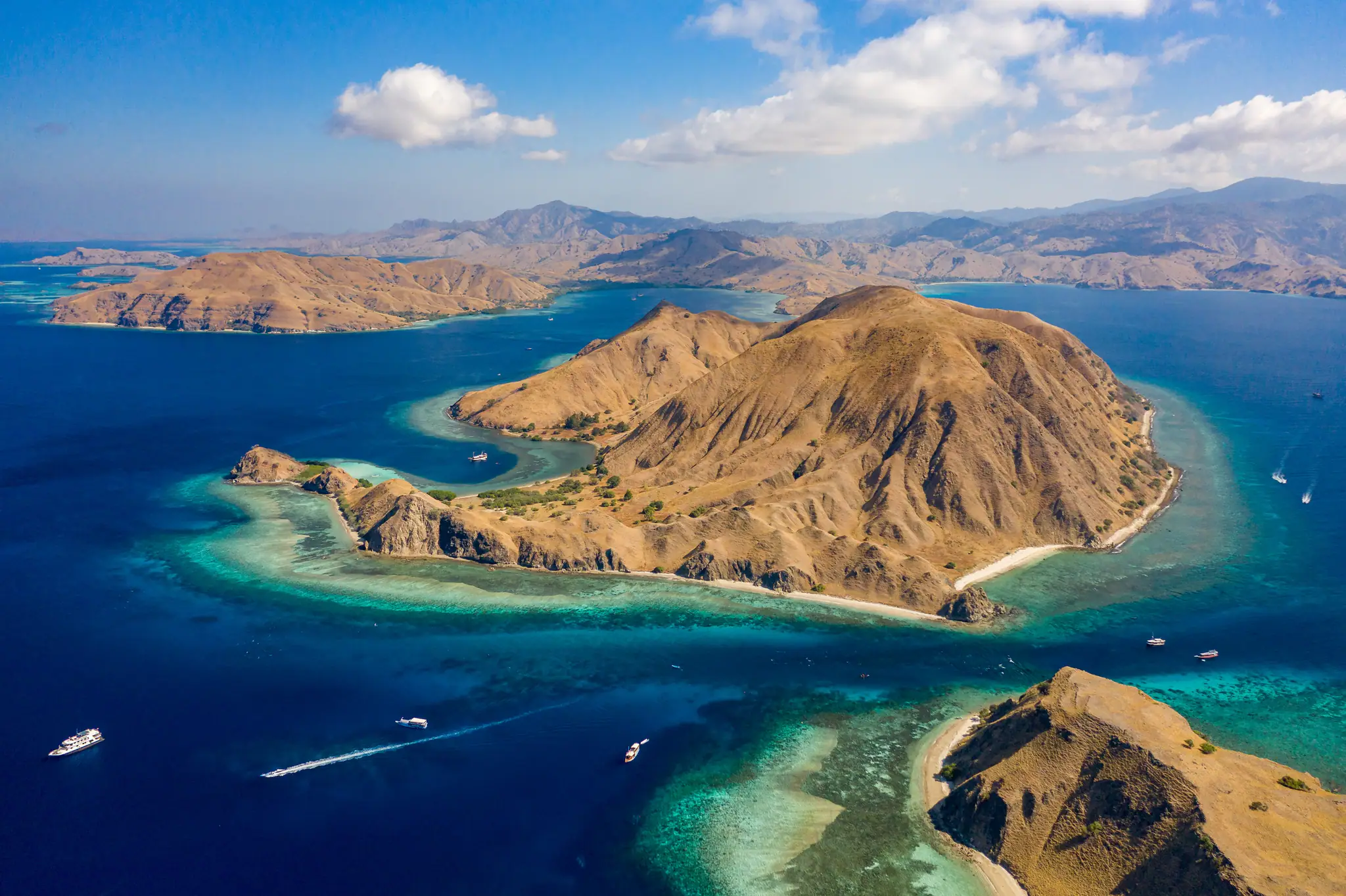
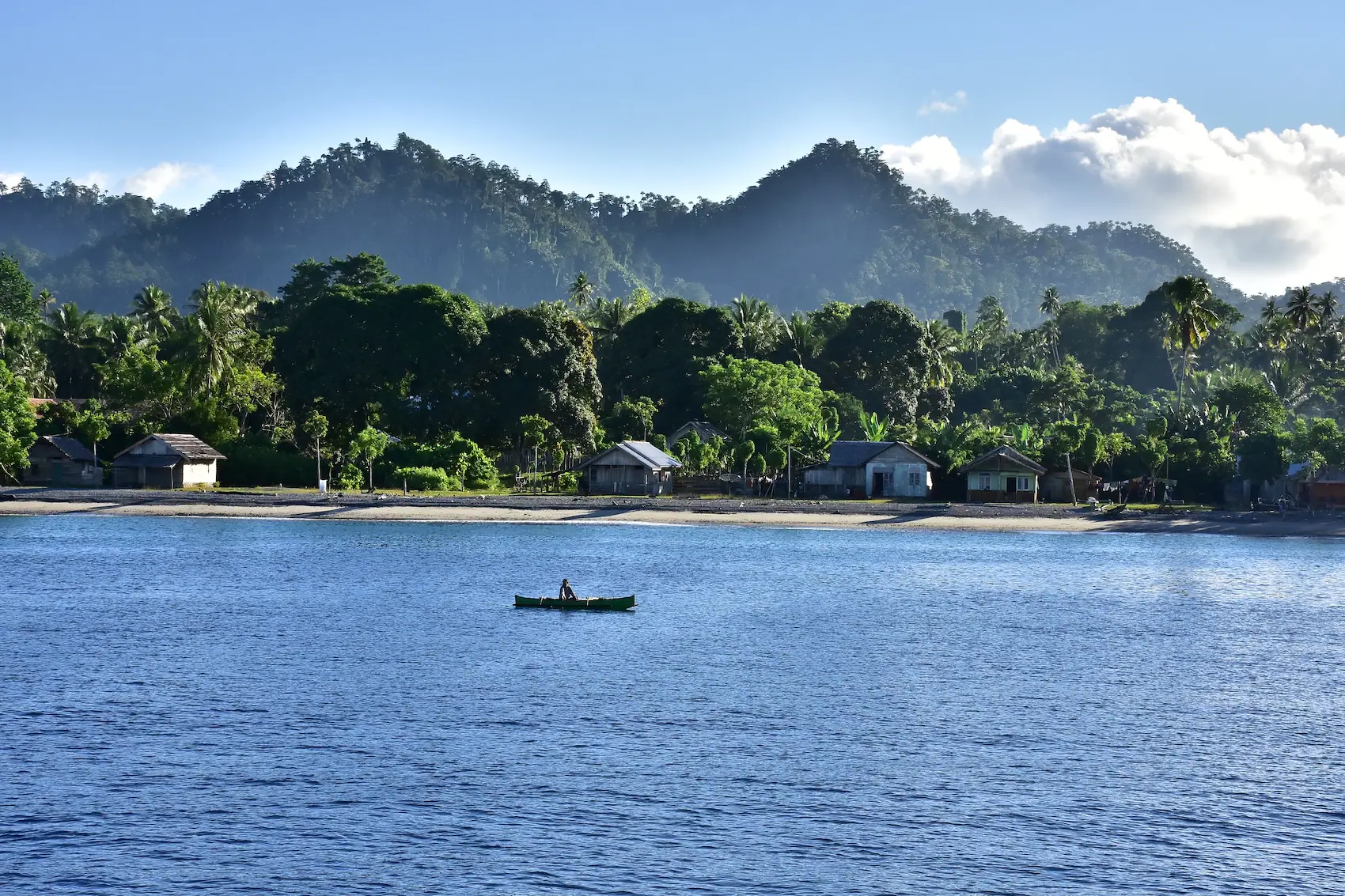
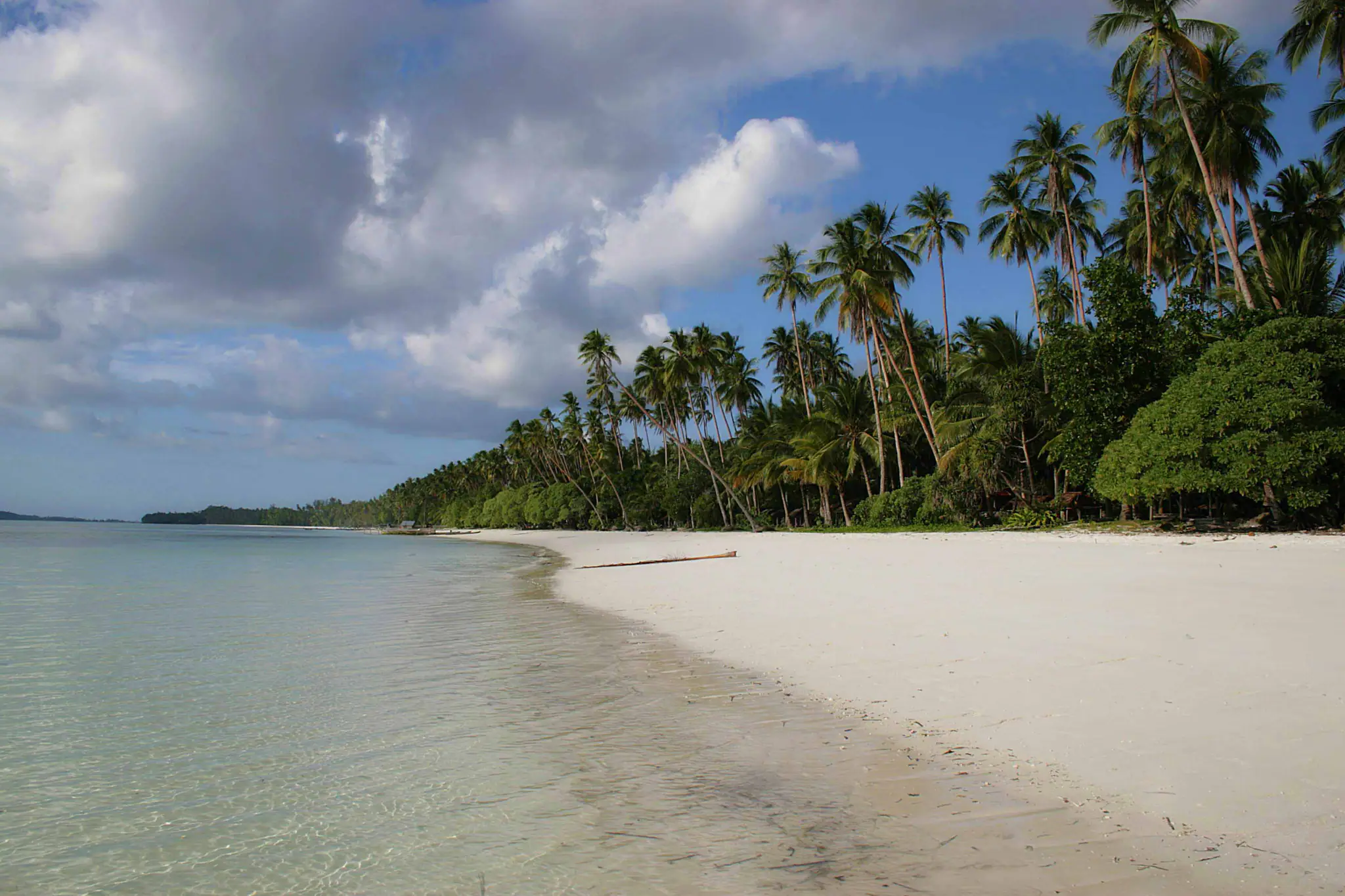
Formerly known as Jilolo, Halmahera is the majestic heart of the Maluku archipelago, celebrated for centuries as Indonesia's legendary "Spice Islands" that drew brave explorers searching for fragrant nutmeg and cloves. Today, a completely different kind of explorer is discovering the magic of Halmahera, looking beyond those historic spice routes to the calm, sparkling blue waters that surround them.
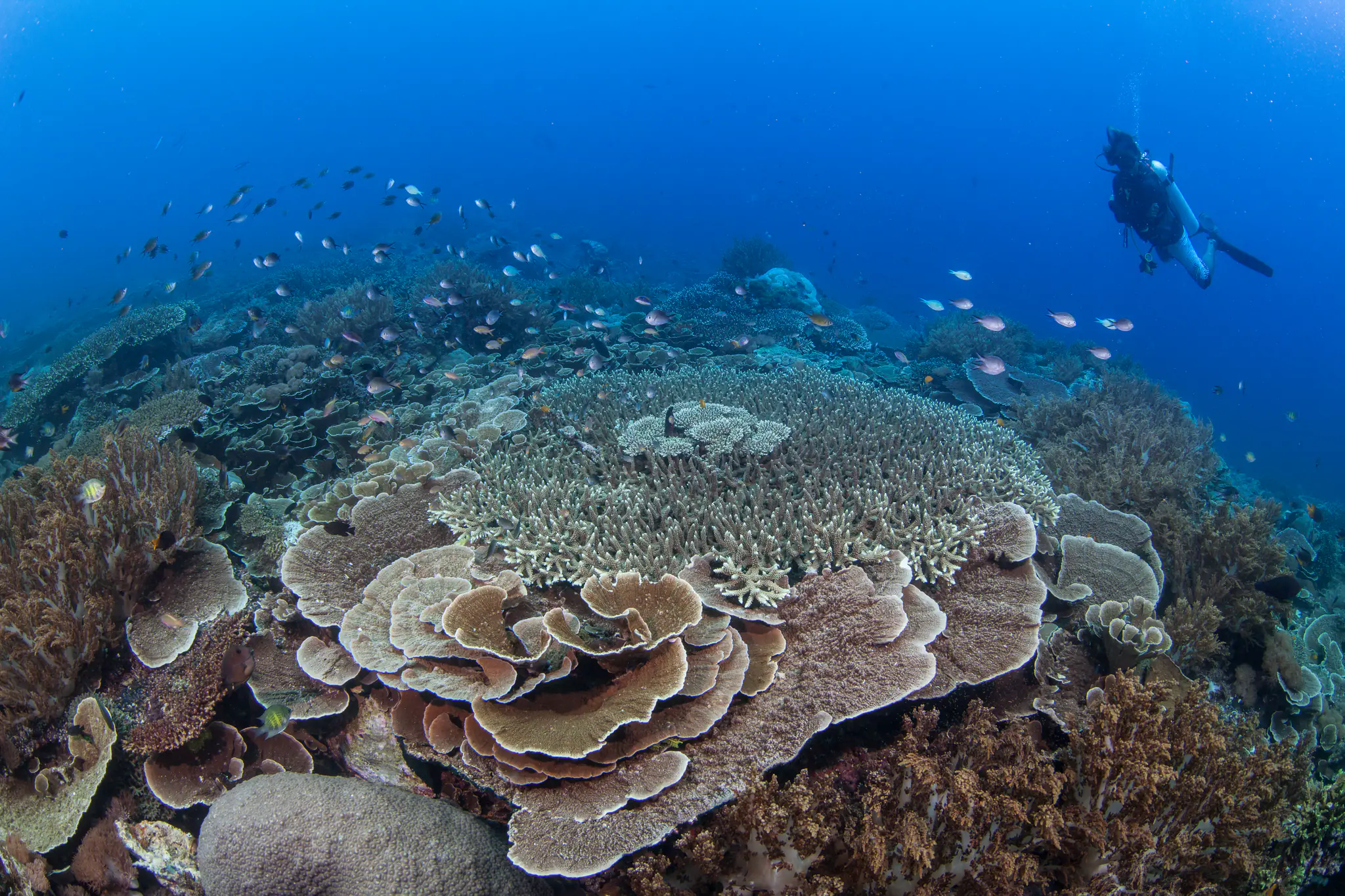
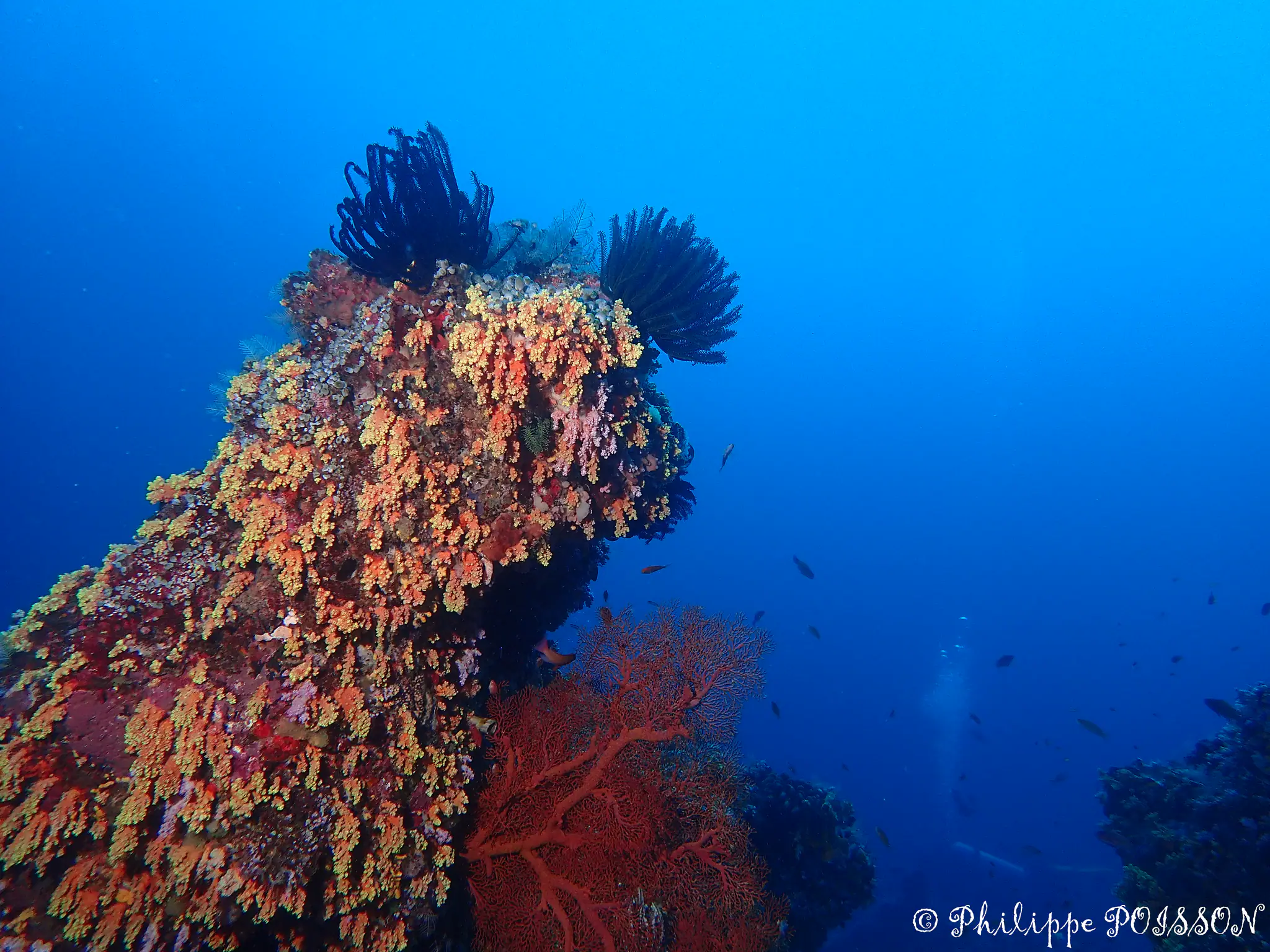
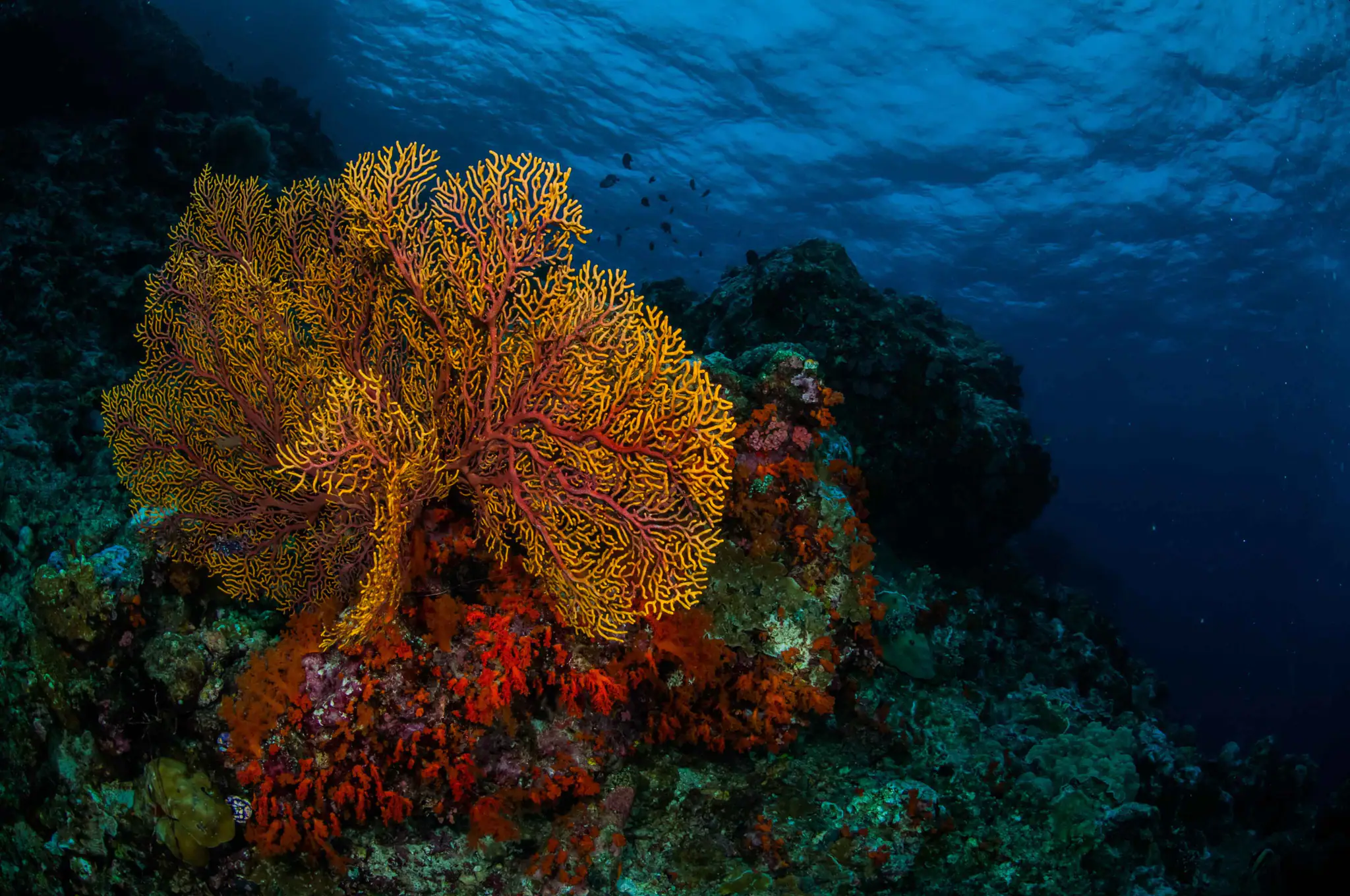
Beneath that surface lies a completely untouched underwater world that is quickly becoming the ocean's best-kept secret. While the land above remains deeply rooted in history, the reefs below are bursting with vibrant, colorful life that has been left entirely to nature. If you are looking for a peaceful, breathtaking getaway far from the crowds, here is why Halmahera diving should be your next great adventure.

If you look at a map of Indonesia, you will see a uniquely K-shaped island sitting beautifully between the orchid-shaped island of Sulawesi to the west and the wild, green coast of Papua to the east. That massive, uniquely shaped island is Halmahera.
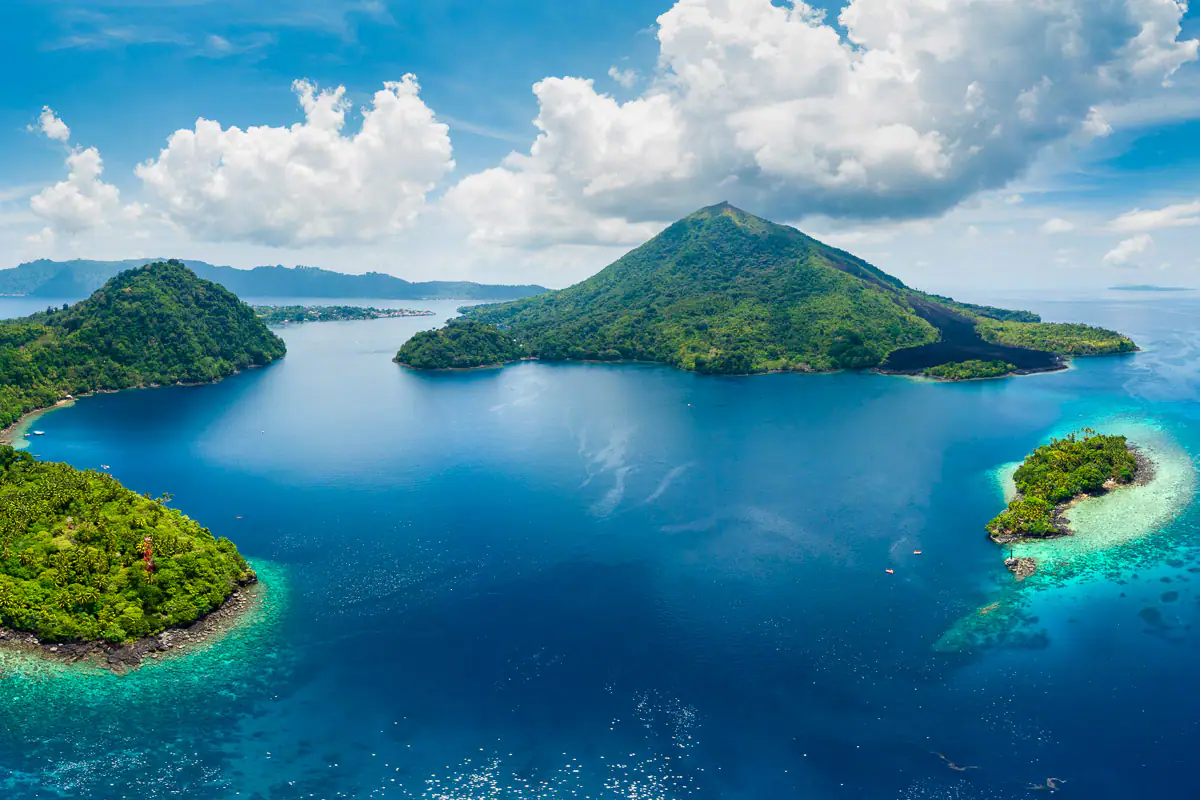
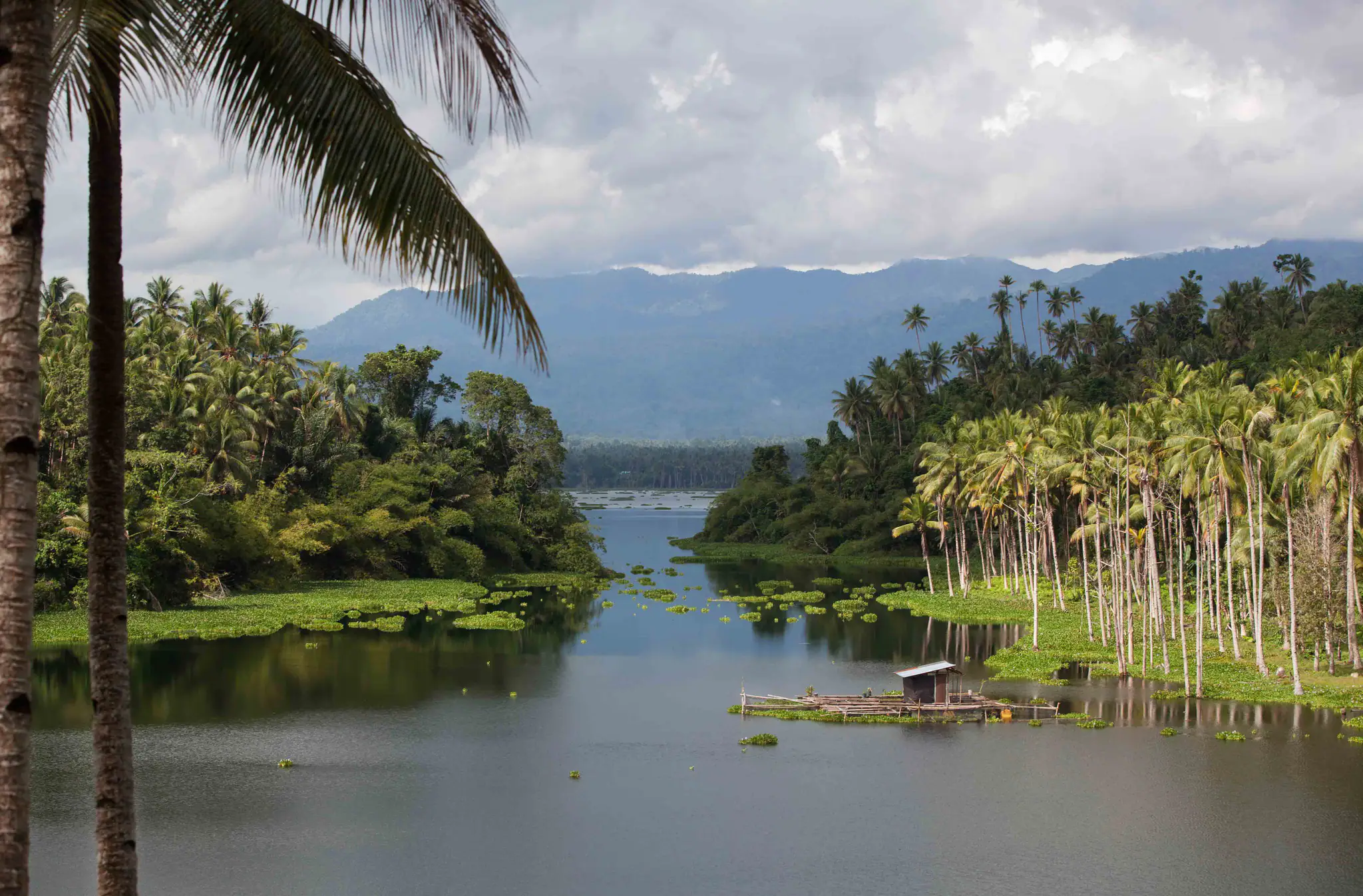
Despite being the largest island in the Maluku province, filled with towering, cloud-capped volcanic peaks, lush green rainforests, and deep, sheltered ocean bays, it remains a true hidden gem in the diving world.
The reason is wonderfully simple: the local infrastructure is still developing. There are no direct international flights here, and you will not find the sprawling, busy resort chains that line the beaches of Bali.
For some, a lack of infrastructure might seem like a hurdle, but for passionate ocean lovers, it is Halmahera’s greatest gift. This natural barrier to mass tourism gives the island a feeling of pure exclusivity.
It acts as a natural filter, ensuring that only true nature enthusiasts make the journey. Because it takes a little extra time and a spirit of adventure to arrive, the waters remain wonderfully quiet.

The absolute magic of diving in Halmahera lies in this very exclusivity. Fewer boats and fewer crowds mean that the underwater environment is incredibly healthy. When marine habitats are left alone to thrive without human interference, the sheer number of species that call it home multiplies beautifully.
This region sits right in the beating heart of the Coral Triangle, an area globally recognized for having the highest marine biodiversity on Earth. When you slip under the water here, you are entering a vibrant, bustling underwater city where the residents have rarely seen a human.
Here is a closer look at the fascinating, unique creatures you might encounter, and why every diver dreams of seeing them:

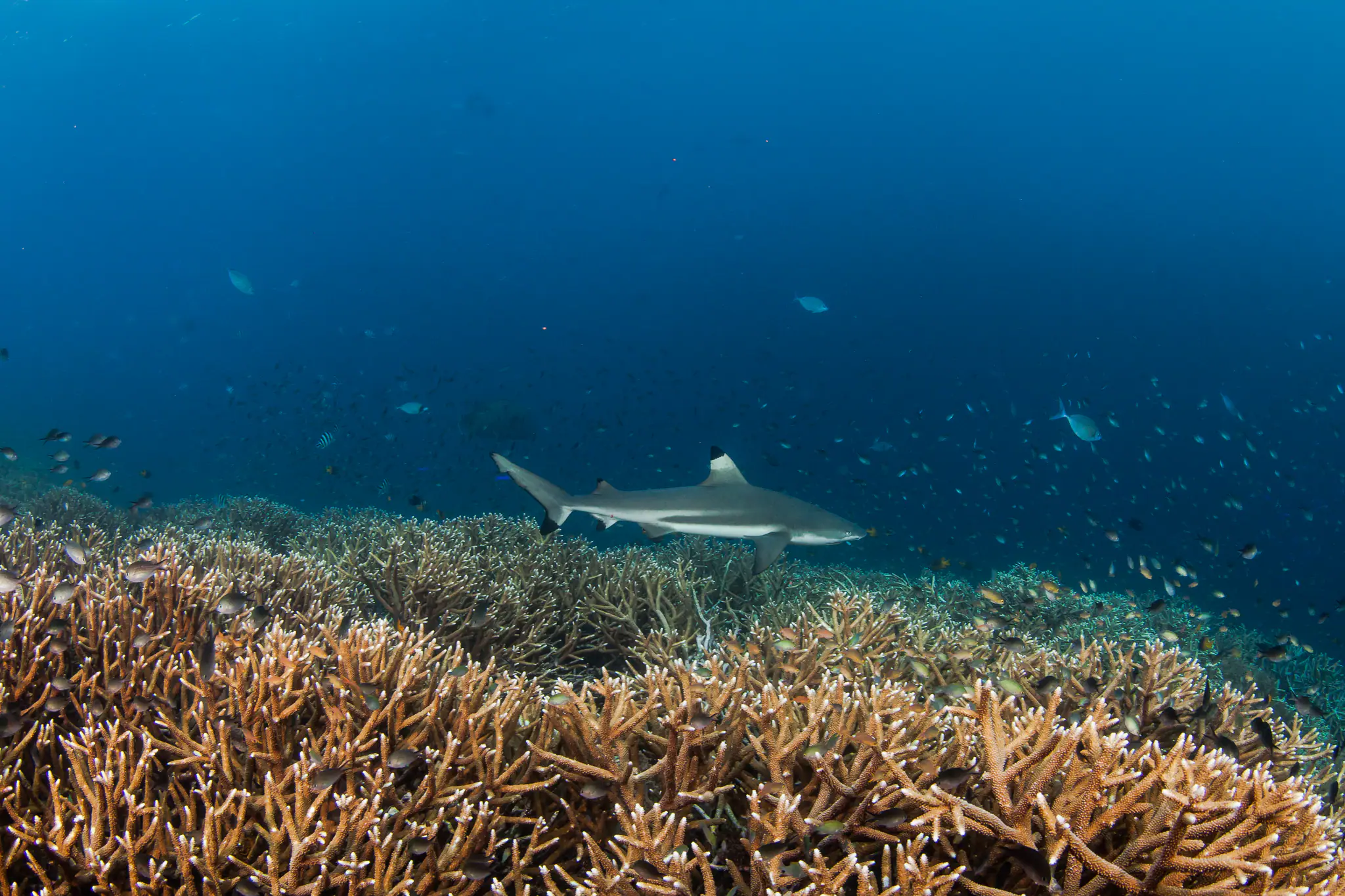
You will often see graceful blacktip and whitetip reef sharks peacefully patrolling the coral gardens. Seeing these gentle predators is a wonderful sign. Their presence indicates a highly robust, healthy reef ecosystem that is completely in balance.

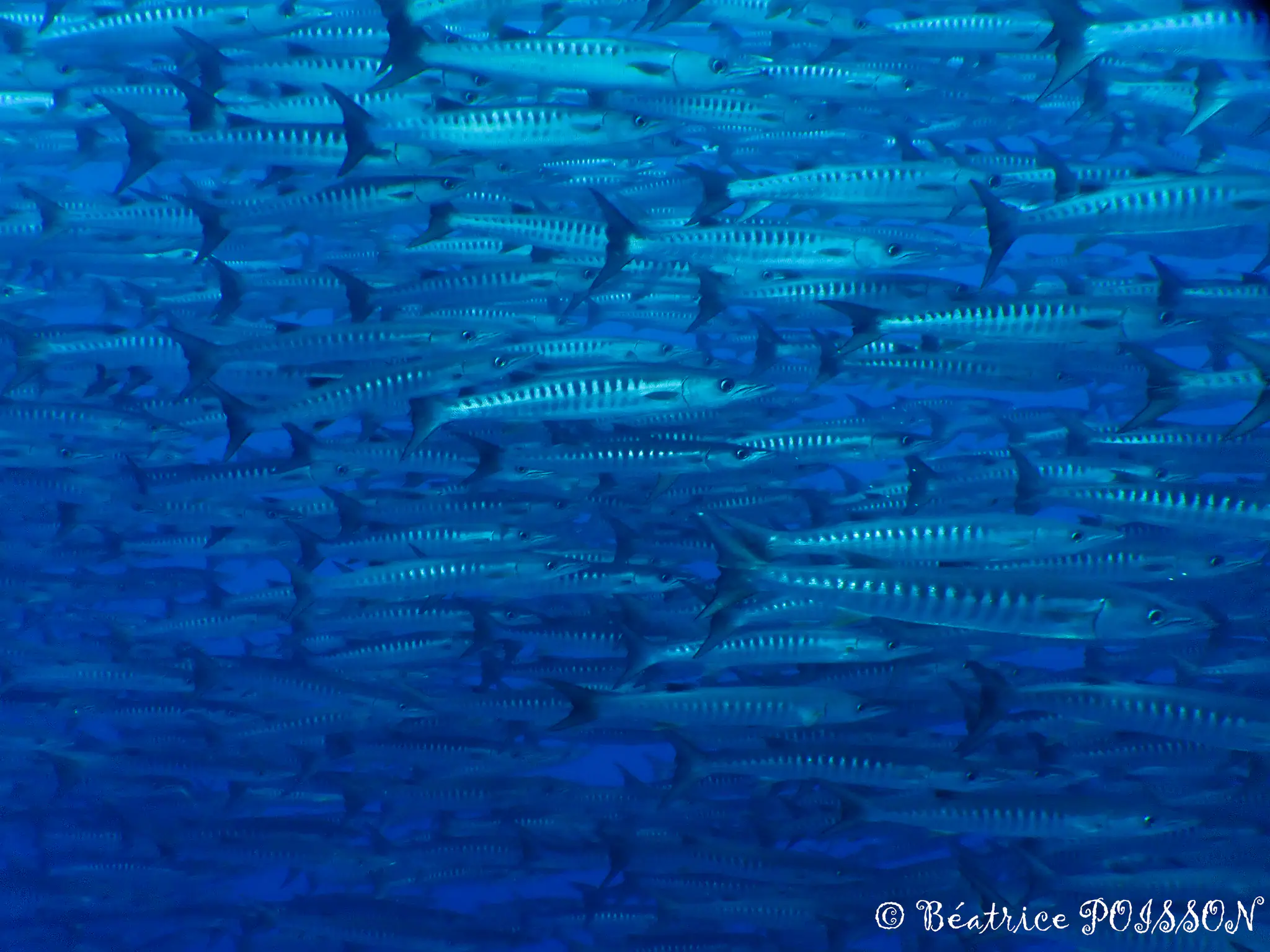
Keep your eyes turned toward the deep blue to spot shimmering schools of chevron barracudas. What makes them so special to witness is their behavior, they often swim together in massive, swirling circles, creating a mesmerizing "tornado" of silver fish that reflects the sunlight beautifully.

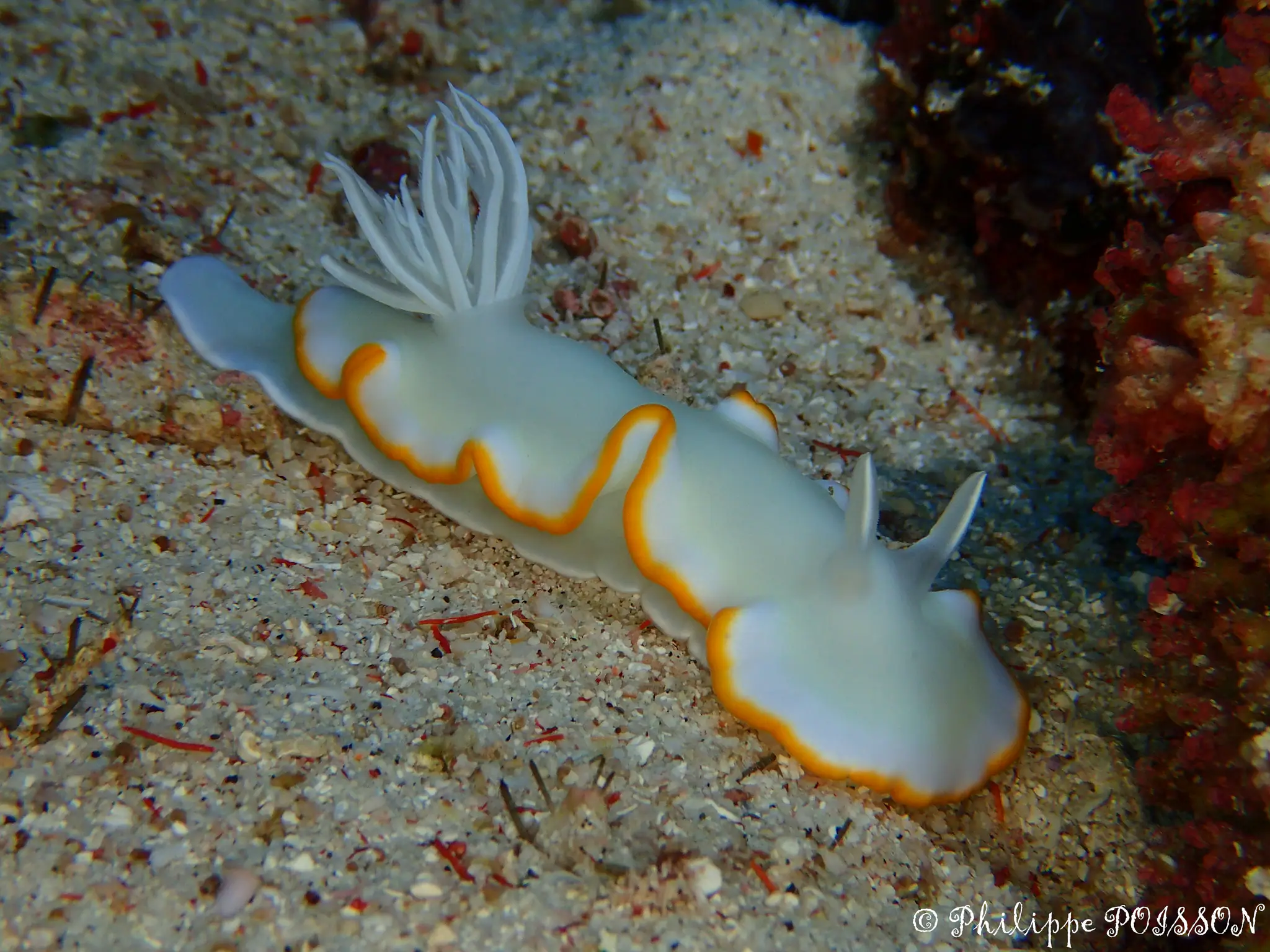
For divers who appreciate a splash of vibrant color, nudibranchs (often affectionately called "nudis") are a guaranteed highlight. These shell-less marine slugs are typically no bigger than your finger. What makes them truly captivating is their dazzling array of neon patterns and bizarre, frilly appendages.
Unlike creatures that try to blend in, they flaunt their brilliant colors to warn predators of their toxicity, making these slow-moving "jewels of the sea" an absolute dream subject for macro photographers.
This is perhaps the crown jewel of the region! Discovered relatively recently, this is a small, completely harmless, and incredibly rare epaulette shark found only in this specific part of the world. What makes it so utterly fascinating is that it uses its pectoral fins to literally "walk" along the ocean floor at night to hunt for small crabs. It is an absolute must-see for anyone who loves rare species.

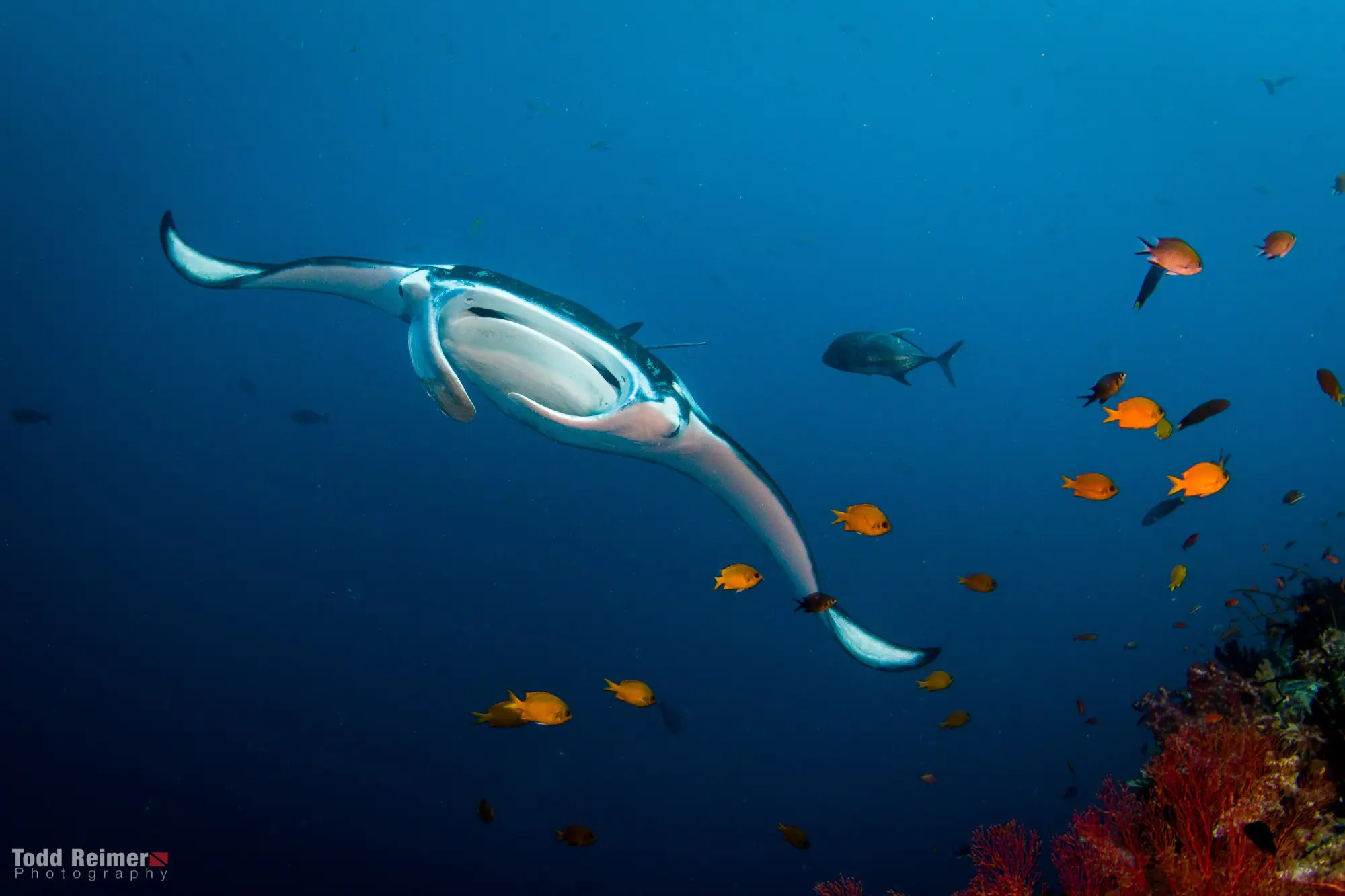
These are the gentle, majestic giants of the ocean. With wingspans that can reach several meters, watching a manta ray glide effortlessly through the water is a deeply emotional experience. You can occasionally spot them lingering around deep-water "cleaning stations," where tiny fish swim up to clean their skin.
A gentle reminder from the ocean: The sea is a wild, natural place, not an aquarium! While these waters are incredibly rich with life, you will not always see all of these wonderful creatures on a single dive. Mother Nature makes her own schedules, and sightings always depend on the time of year, the specific Halmahera dive site you are visiting, and the daily water temperatures.
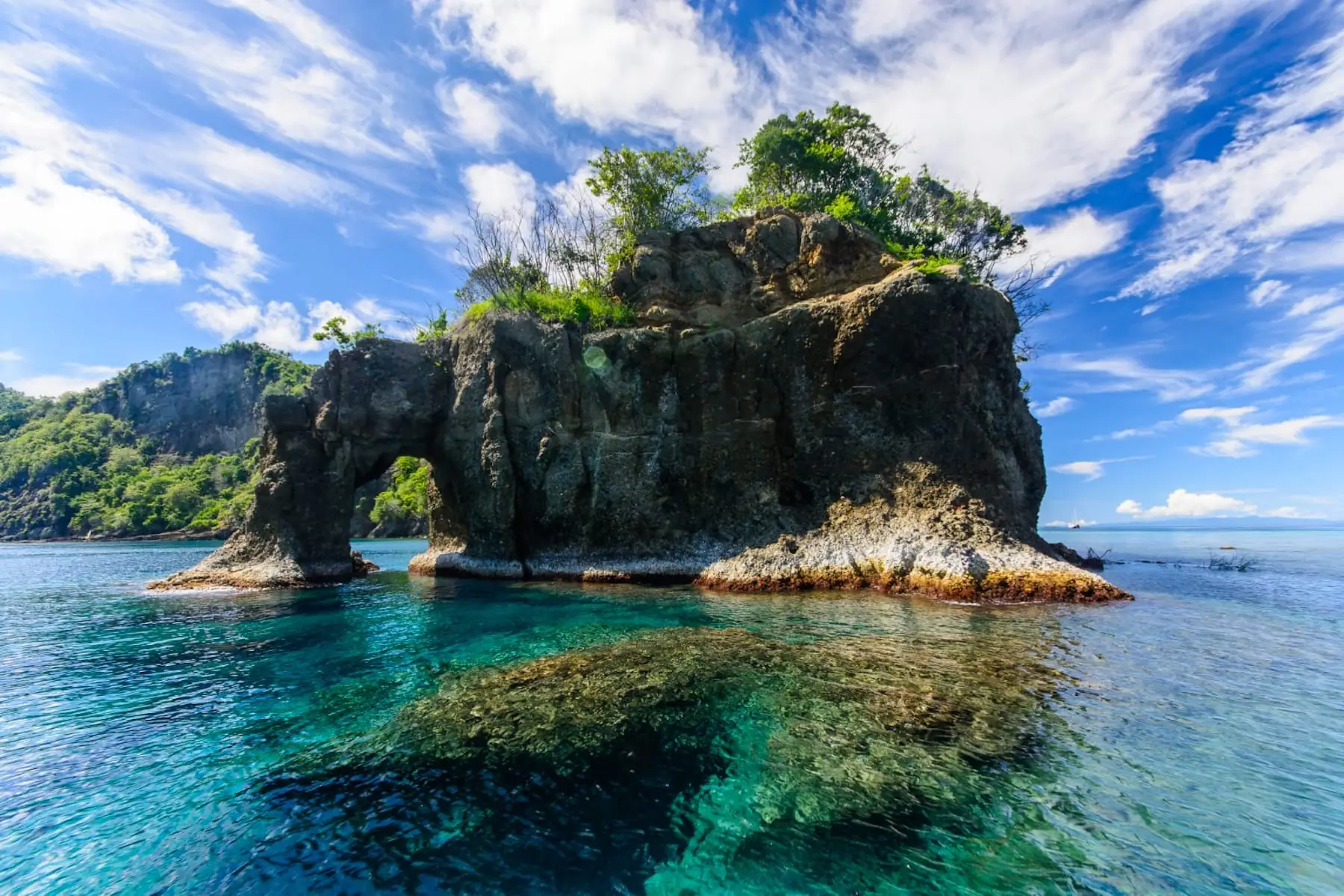
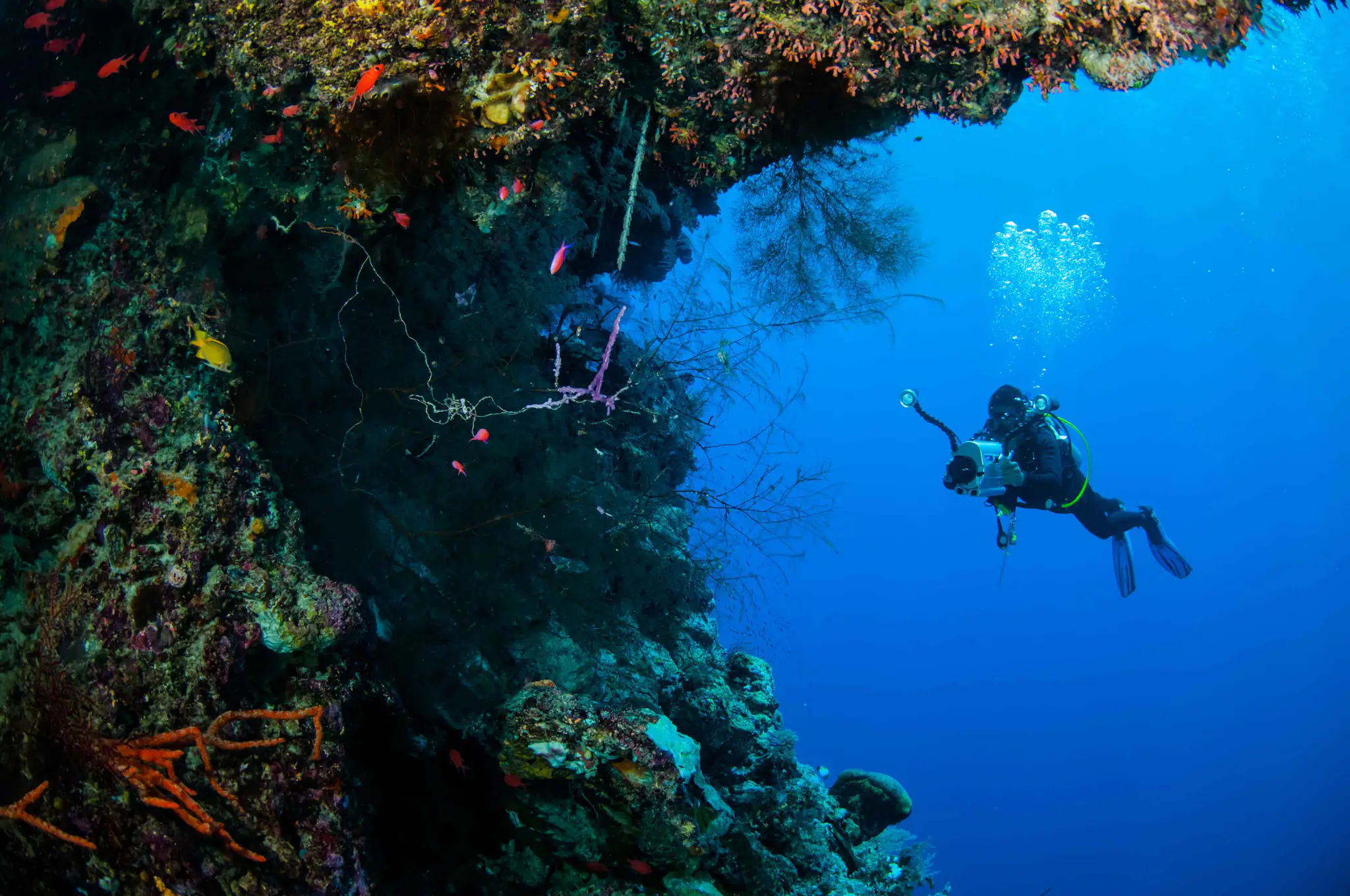
Halmahera offers a wonderful variety of underwater experiences. Whether you love gently floating over pristine coral gardens, exploring dramatic underwater cliffs, searching for tiny "macro" critters in the volcanic sand, or watching for large fish out in the deep blue, there is a perfect spot for you.
Because the region is so vast, understanding the distances between these areas is important. Here are some of the best dive sites in Halmahera.

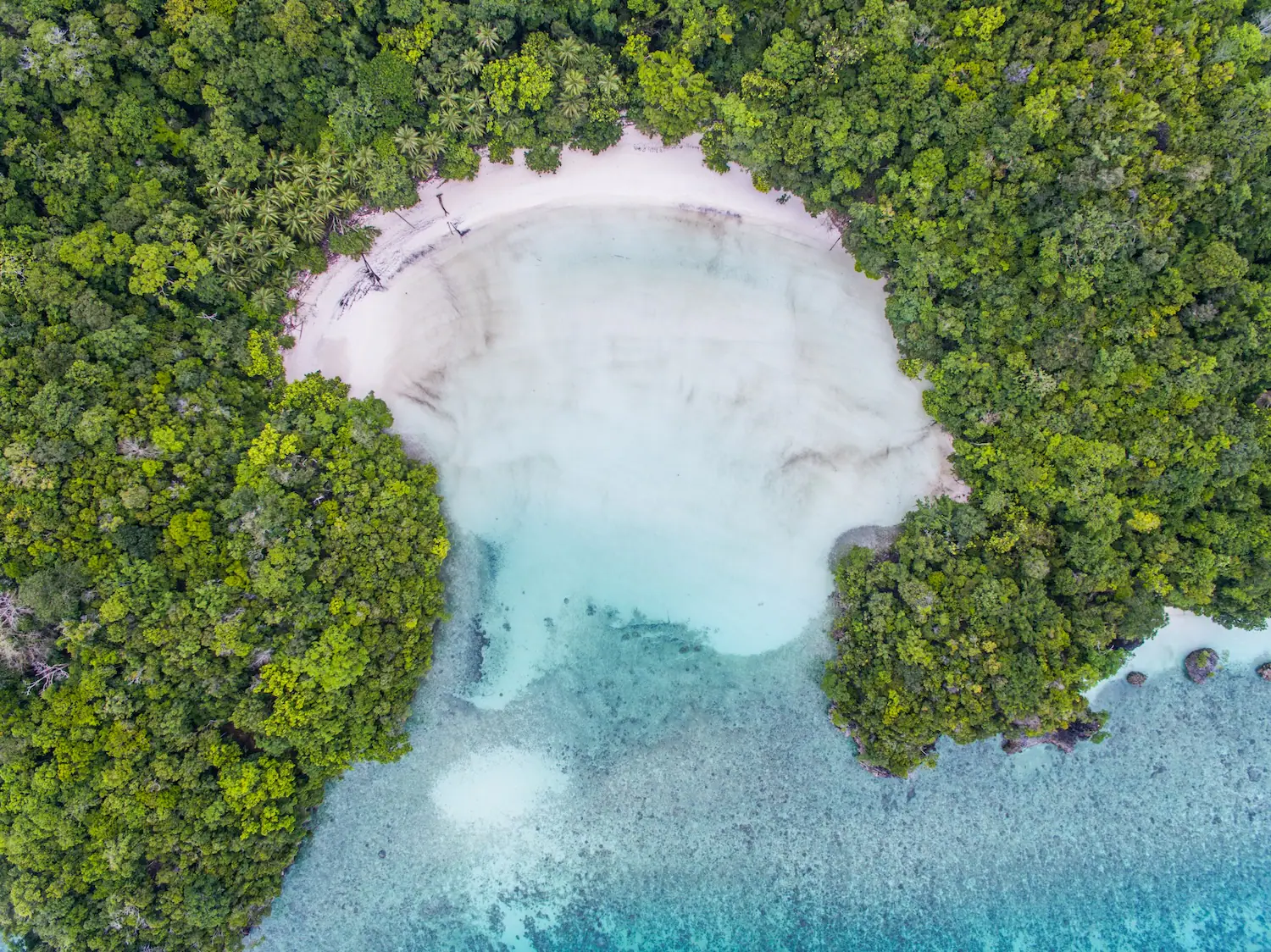
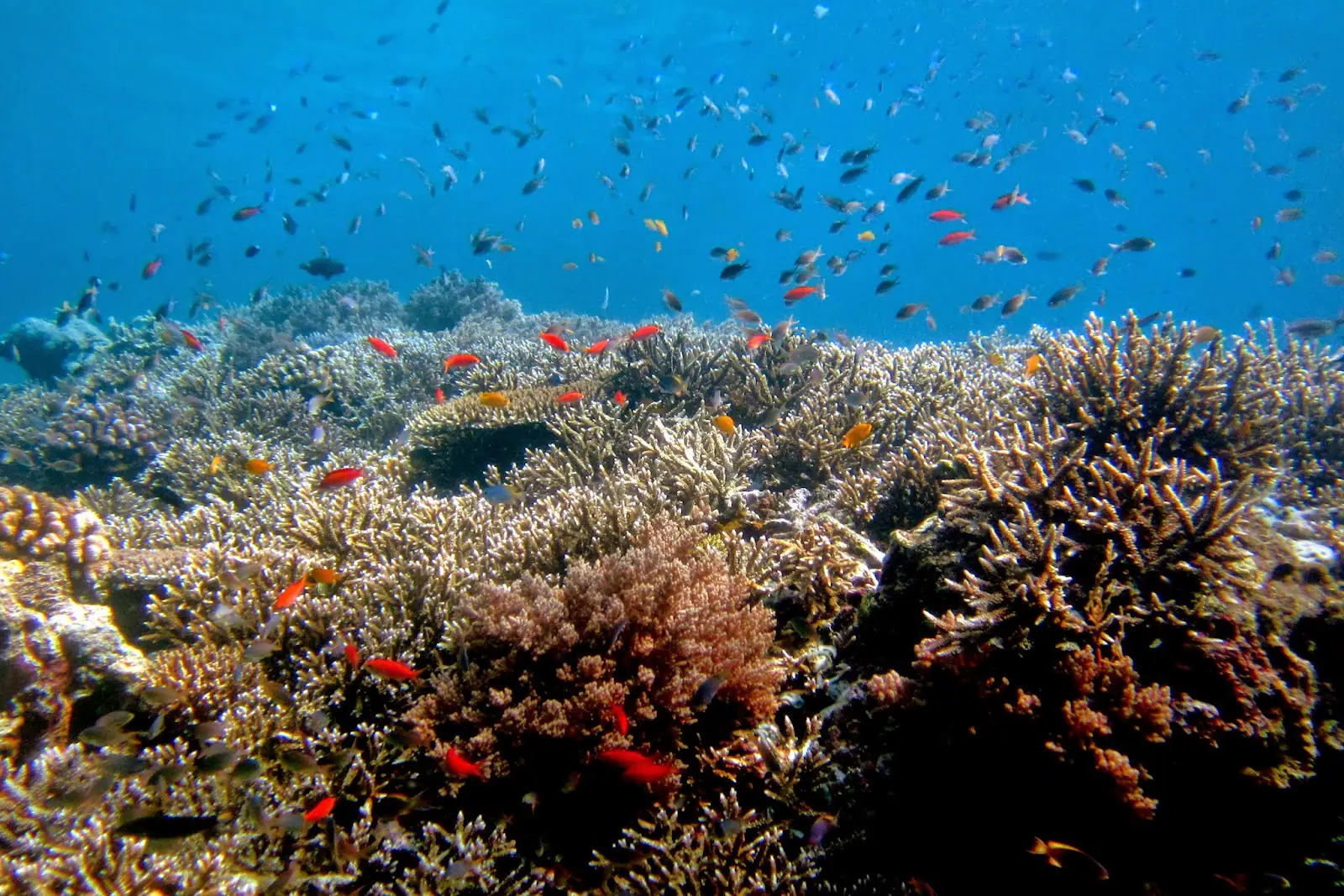
The main island of Halmahera is the most popular dive spot among tourists here. The location is not too far from the land, where divers can see untouched coral reefs, where crystal-clear waters teem with vibrant marine life, offering an exclusive underwater adventure far from the crowds.

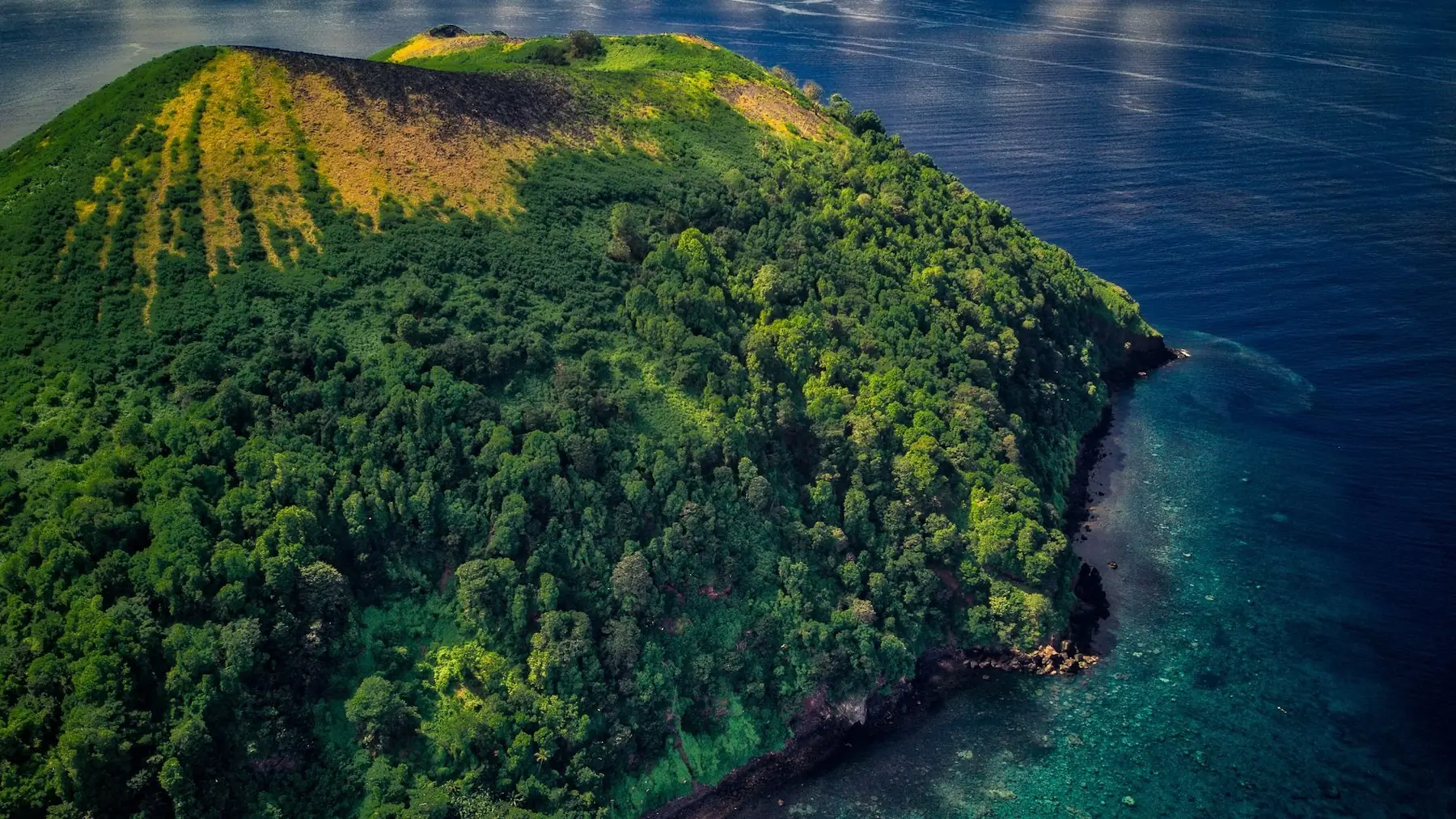
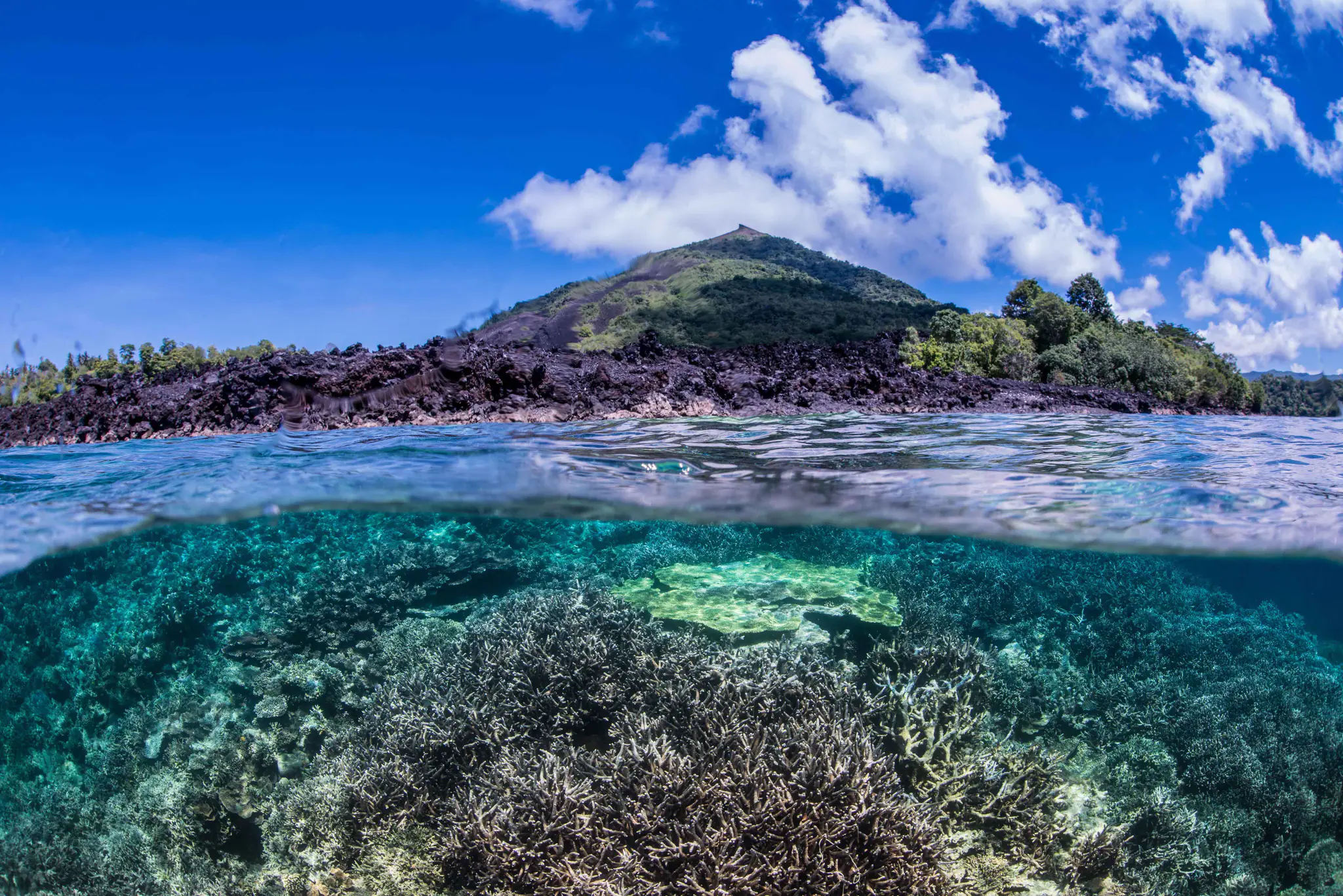
These iconic twin volcanic islands are usually your starting point. They sit just off the western coast of the Halmahera mainland, which is only a short, beautiful sail away, especially when you are relaxing aboard a dive cruise.
The diving here is lovely and relaxed, featuring gentle volcanic slopes where you can search for tiny, fascinating sea creatures hiding in the dark, mineral-rich sand.

This is a stunning chain of small islands located further south along the western coast of Halmahera. Because it takes several hours of cruising from Ternate to reach them, they are best visited on a liveaboard vessel.
The extra travel time is highly rewarding; the water here is incredibly clear, and you will find yourself surrounded by colorful, healthy reefs and massive schools of tropical fish.
Located far to the south, this waterway runs between the southern Halmahera mainland and the large island of Bacan. This area is quite remote and requires a dedicated, multi-day boat journey to reach comfortably.
It is famous for having stronger water movement. These exciting currents bring in cool, nutrient-rich waters, which in turn attract playful reef sharks, hunting trevally, and magnificent schools of pelagic (open ocean) life.
The wonderful thing about planning a trip to this region is that it is a year-round destination. Choosing exactly when to visit simply depends on what kind of weather you enjoy and what you are most excited to see!
If you prefer flat, smooth boat rides and gentle, sunny weather, the summer months are absolutely perfect. The ocean surface often looks like a beautiful pane of glass.
During these drier months, there is very little rain to stir up the rivers. As a result, the ocean water is crystal clear, allowing you to see the vibrant coral reefs stretching far into the distance.
If you love macro photography and searching for small, rare sea life like nudibranchs and frogfish, any month is a wonderful time to visit. These little creatures happily live on the reef regardless of the season.
As the seasons transition from dry to wet, the changing ocean currents often bring a beautiful surge of nutrients. This is the best time to see larger open-ocean animals passing through the deeper straits.


Your journey begins with a comfortable flight from your home country into one of Indonesia’s major international hubs, usually Jakarta (CGK) or the coastal city of Makassar (UPG). From there, you will take a short, easy domestic flight directly to the Sultan Babullah Airport (TTE) on the island of Ternate.
Once you land, the travel stress completely melts away. A friendly crew will be waiting to meet you with a warm smile. A quick, scenic car ride takes you to the harbor, where a tender boat will whisk you across the water directly to your waiting ship.

Halmahera might not be as universally famous as Indonesia's "Big Three" dive regions just yet. However, it holds its own beautifully and offers a quieter alternative to these well-known hubs. So, we make some comparation of Halmahera and these popular dive spots in Indonesia.
Halmahera and Raja Ampat shares many of the exact same beautiful fish species and colorful corals since the two regions are close neighbors. However, Halmahera has much more dramatic, volcanic underwater landscapes.
Most importantly, it has significantly fewer boats, making it perfect for a truly secluded getaway where you feel like the only divers in the world.
While the Lembeh Strait in Sulawesi is the undisputed king of searching for tiny, bizarre critters in the black sand, Halmahera offers excellent sites for this alongside world-class, colorful coral reef diving.
This wonderful variety makes it a great choice for couples or groups where one person loves tiny critters and the other loves big, sweeping coral landscapes.
Halmahera is generally much easier to reach than the deep, highly remote Banda Sea. It also offers more protected, calm options in its sheltered inner bays, which is wonderful for those who prefer a relaxing, gentle day on the water without worrying about massive ocean swells.

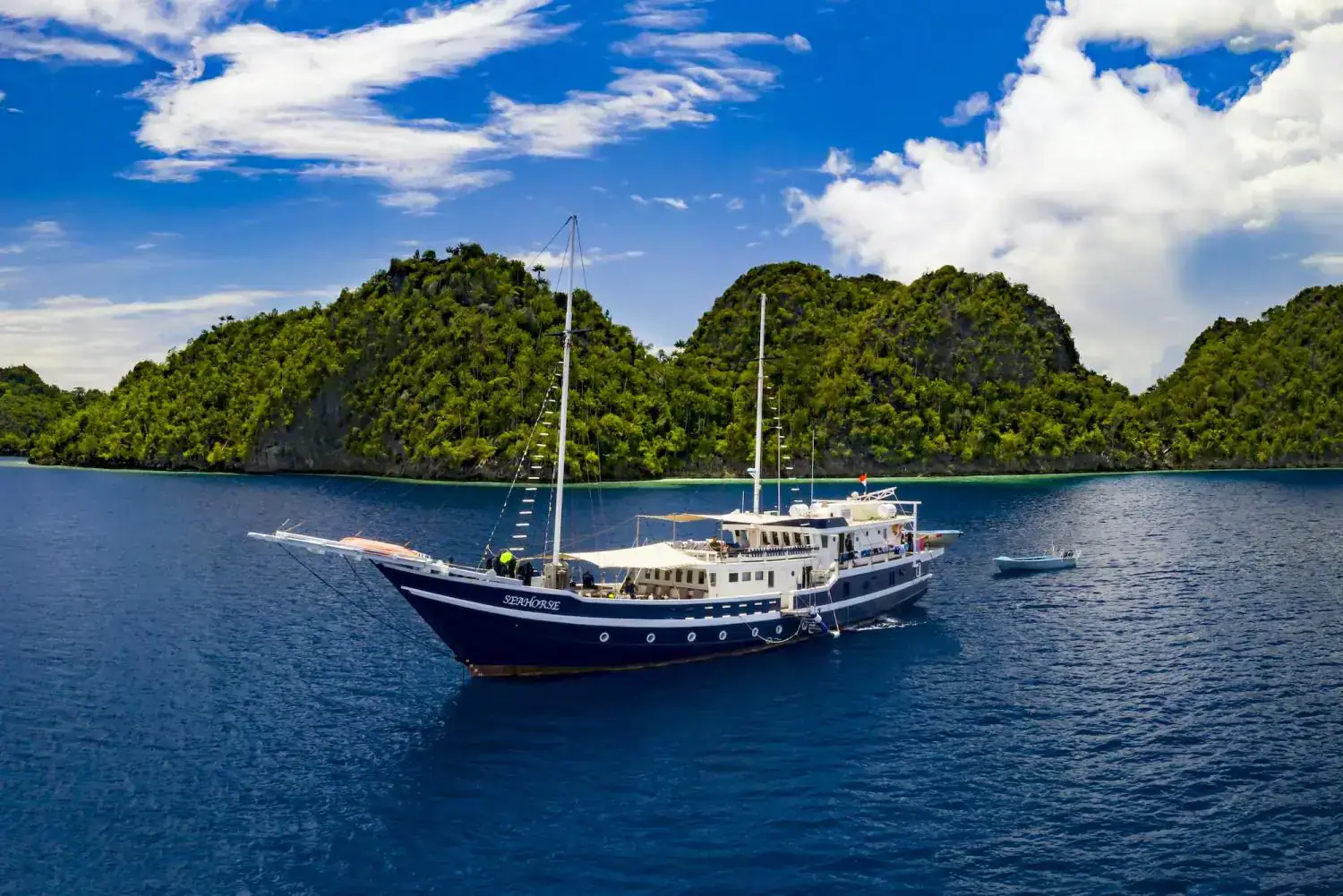
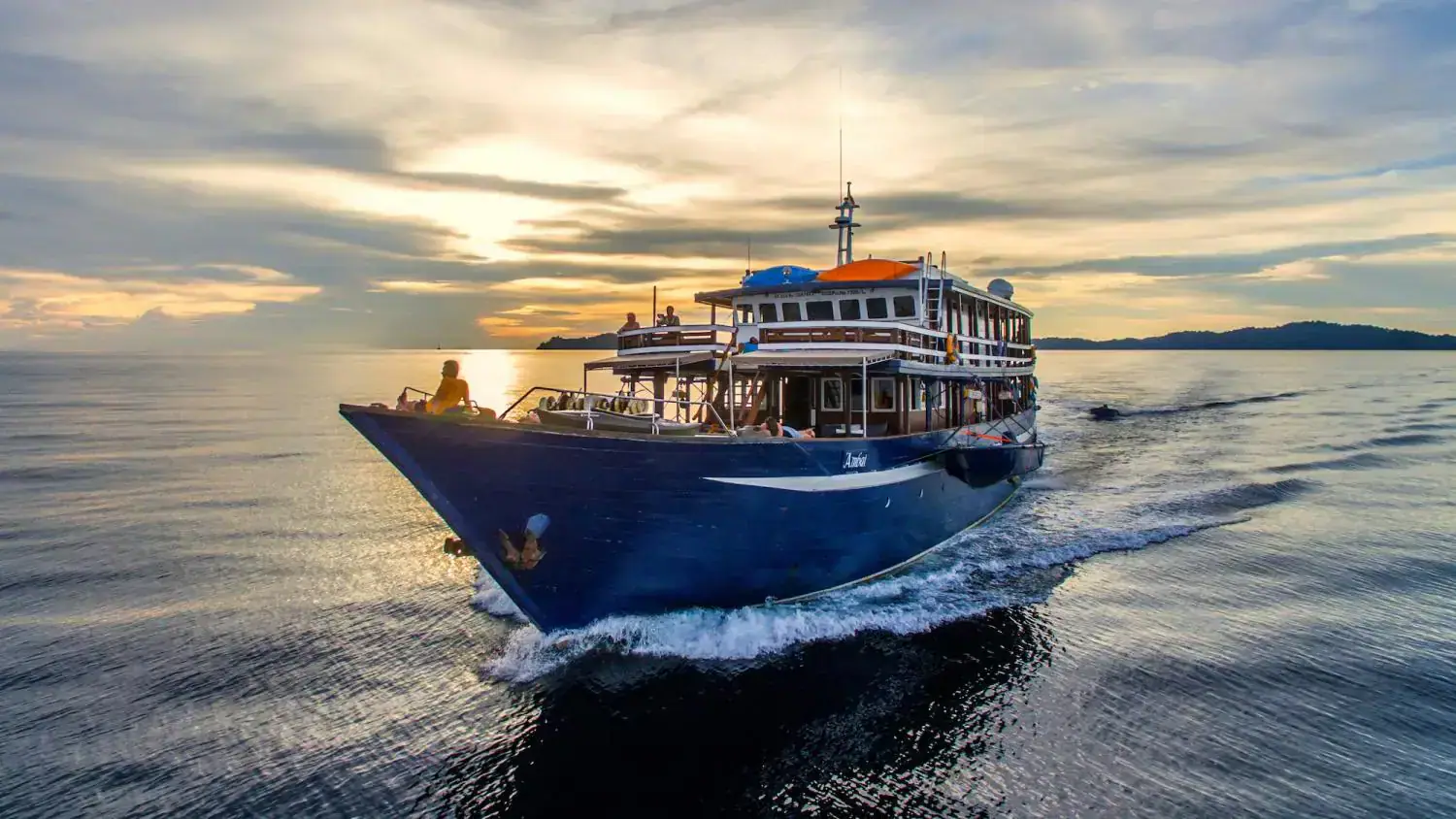
The absolute best way to experience the remote, sprawling magic of North Maluku without worrying about complicated local ferry schedules, carrying heavy luggage, or searching for rural hotels is aboard the Ambai by Wallacea Dive Cruise, a 32-meter-long wooden boat that can comfortably host 16 divers.
Imagine waking up to the smell of a fresh cup of coffee, looking out your private cabin window, and realizing you are already anchored safely at a pristine, untouched reef. Aboard this beautiful vessel, hosted by an attentive 18-person crew, all the planning, cooking, and navigating is completely taken care of for you.
With 14 years of experience exploring Halmahera, the Ambai welcomes every guest with spacious wooden decks, deeply warm Indonesian hospitality, and expert dive guides who know these secret waters better than anyone else. Contact us and plan your journey into Indonesia’s next big dive frontier today!
Yes! Non-divers can enjoy excellent snorkeling in calm bays and cultural tours around Ternate and Tidore. A liveaboard boat is perfect for keeping mixed groups together.
Seven days is the bare minimum to make the travel time worth it, but 10–12 days offers a much more relaxed pace to explore remote areas.
It can be both. You'll find expansive, healthy coral gardens for wide-angle shots and plenty of small critters for macro photography.
There are calm spots for beginners and areas with stronger currents. A good dive operator will pick sites that match your group's skill level.
Open Water is okay, but Advanced is better. Open Water covers many calm sites, but an Advanced certification gives you the flexibility to dive in areas with currents. Nitrox is also highly recommended if you plan on doing multiple dives a day.