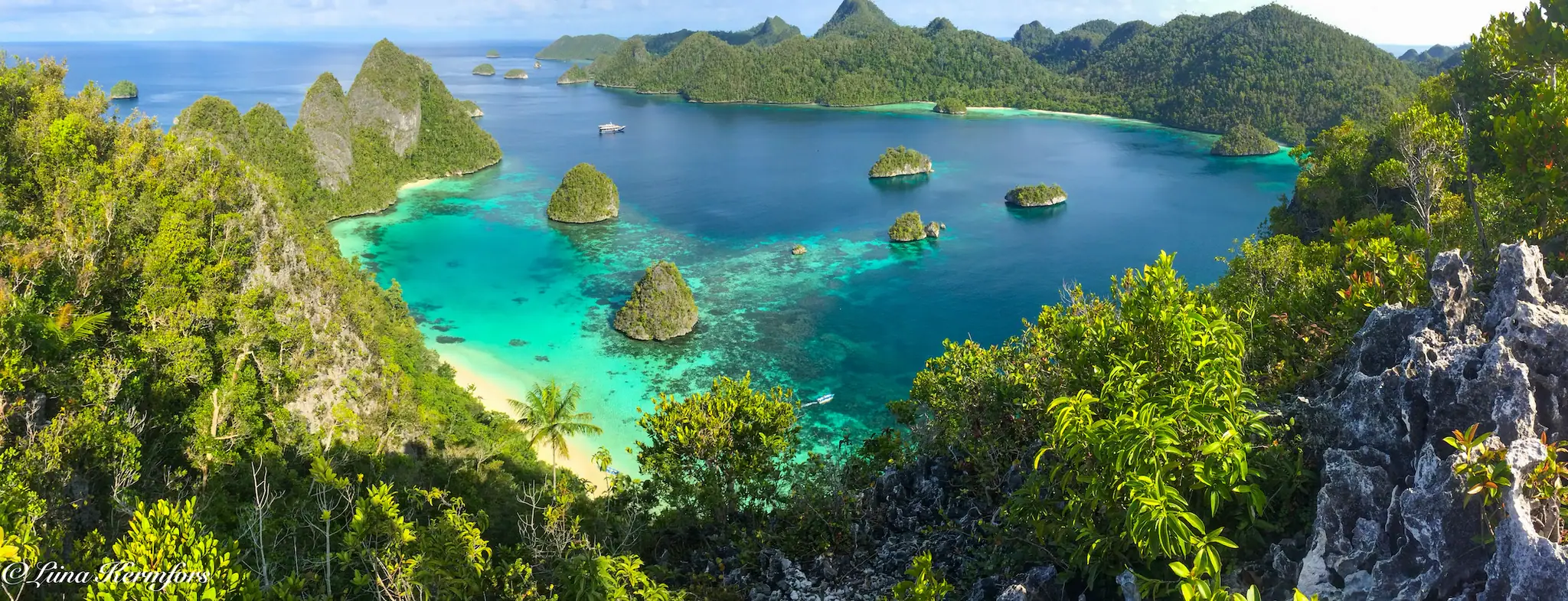
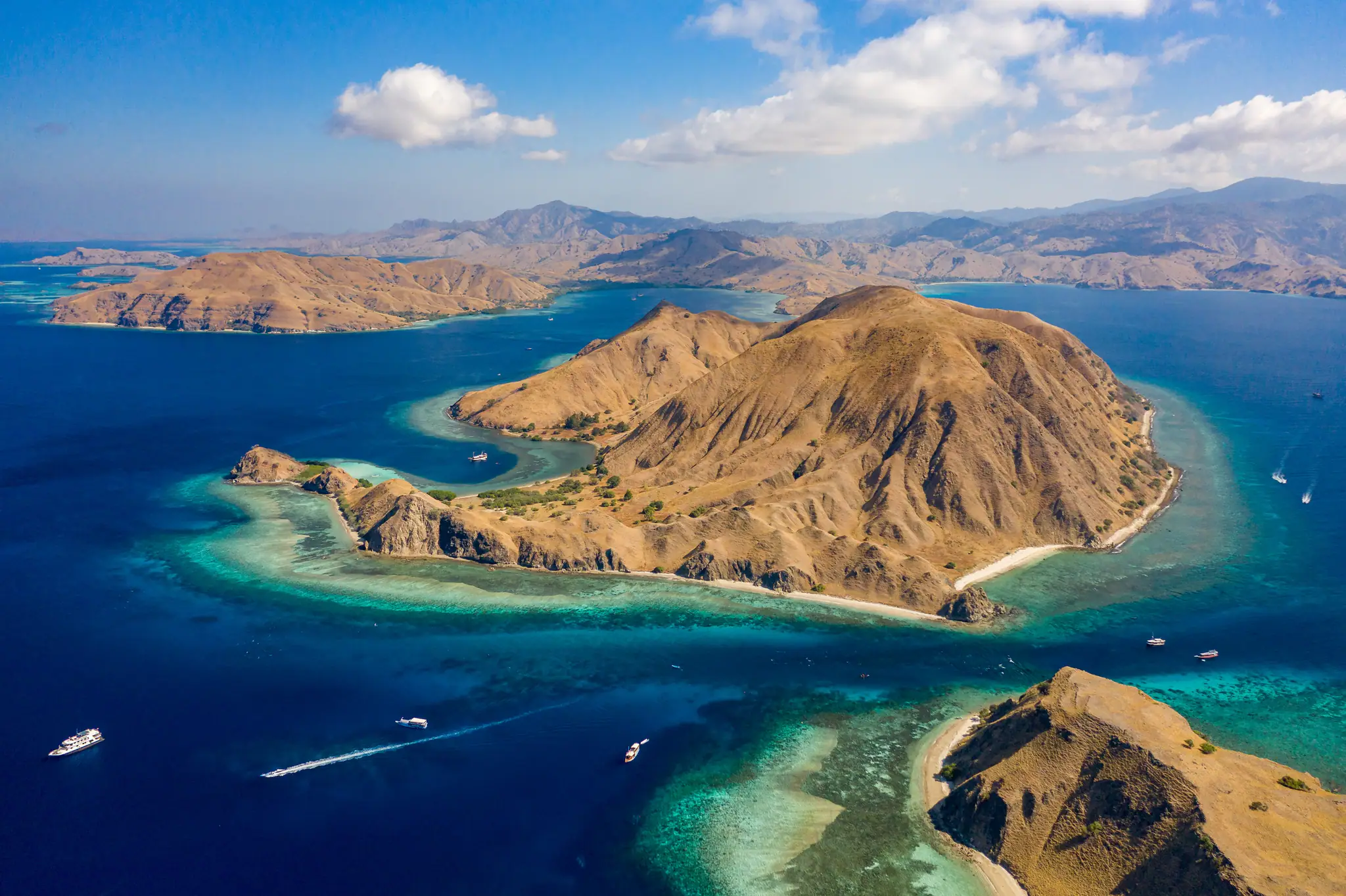
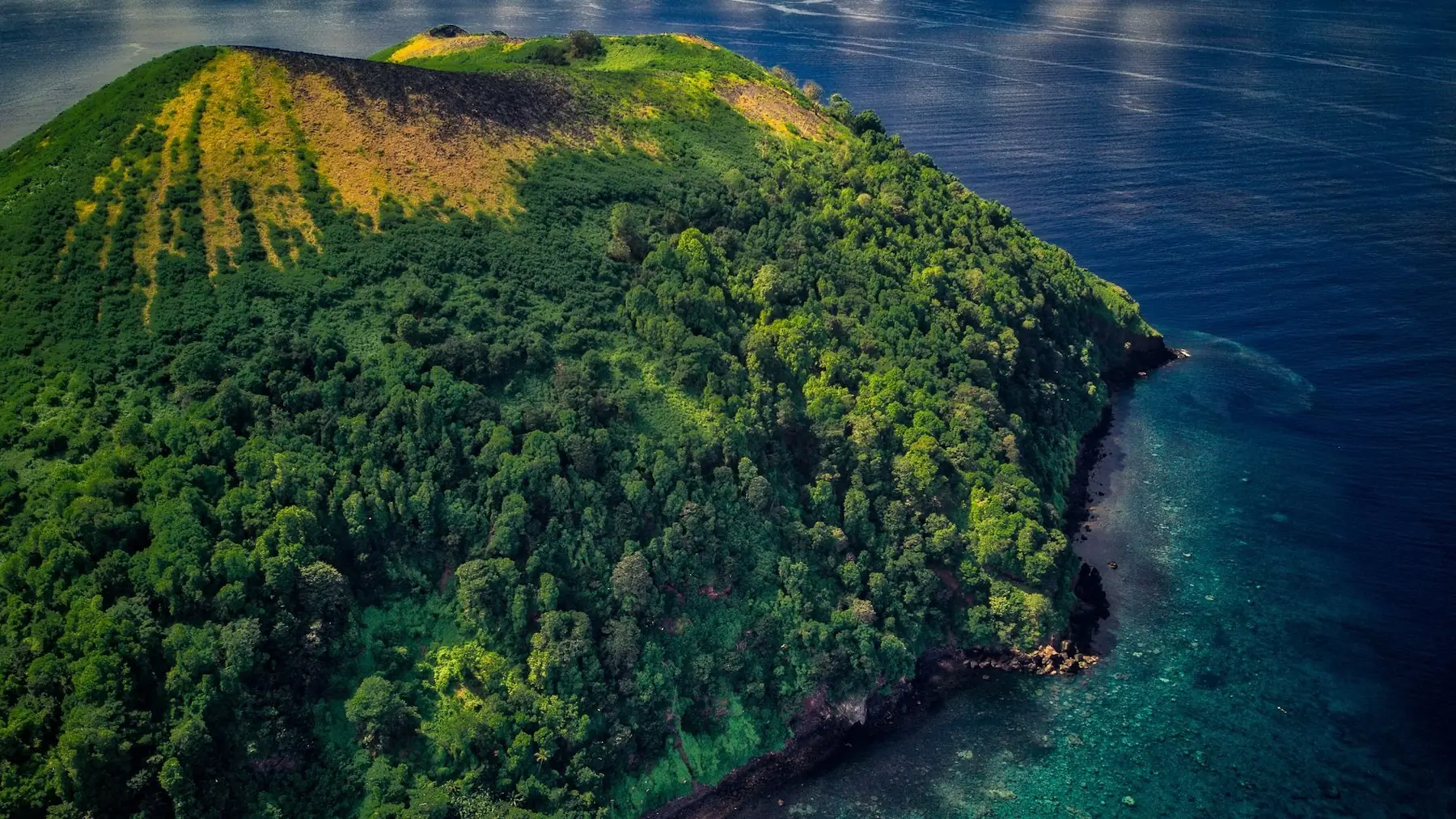
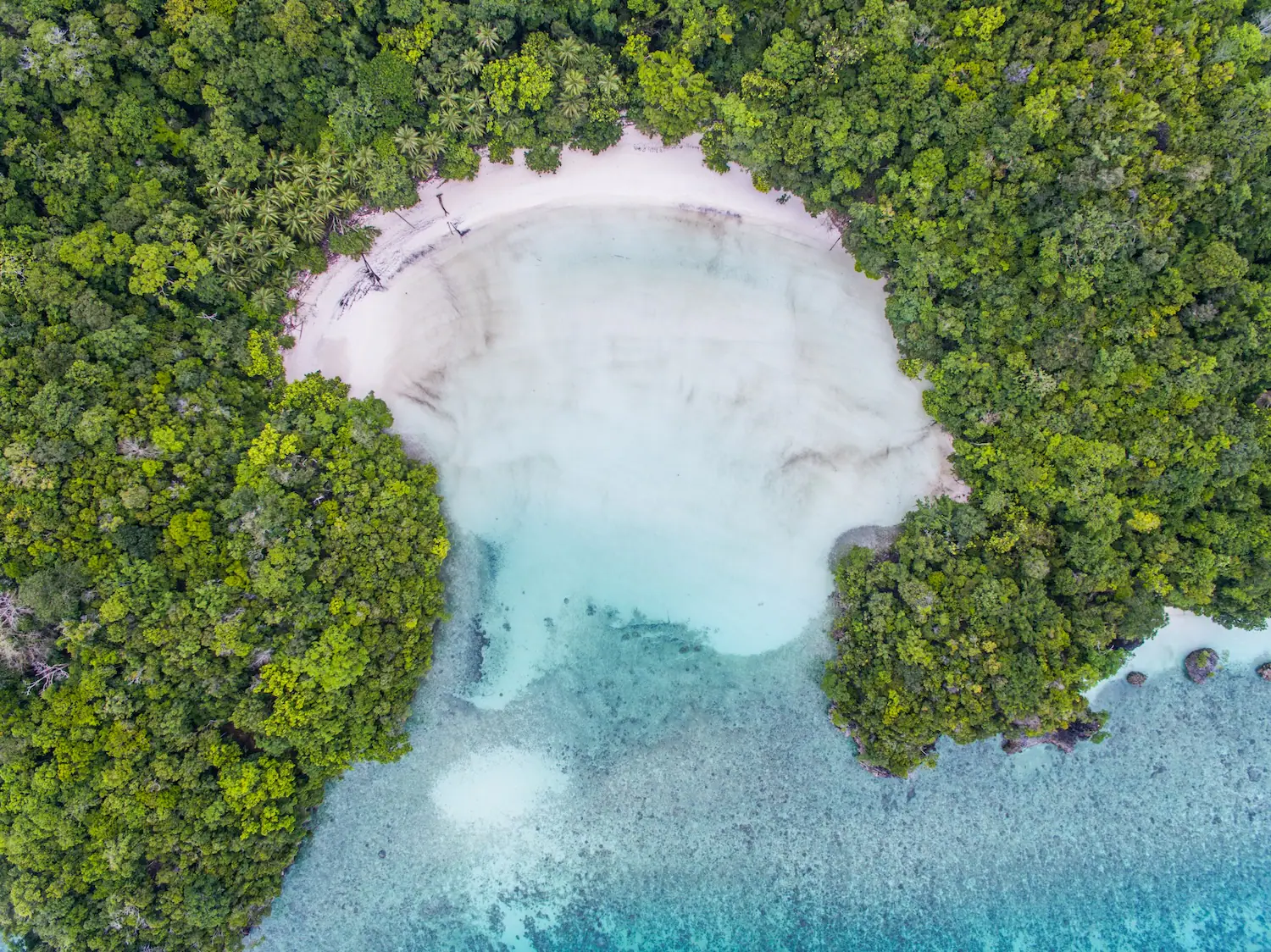
Tucked between Sulawesi and Raja Ampat, Halmahera remains one of Indonesia's best-kept underwater secrets. While places like Raja Ampat often dominate diver bucket lists, experienced divers know that Halmahera diving delivers something much rarer.
© 2025 Wallacea Dive Cruise. Web Design & Development by Kesato & Co.

Halmahera is a proud part of the Coral Triangle. According to WRI Indonesia, while the Coral Triangle covers only 1.6% of the ocean, it holds more than 75% of all known coral species in the world. This is exactly why diving in Halmahera is quickly gaining popularity among divers globally.
The only real question is how to explore it all. With almost every Halmahera diving site scattered across remote islands and uninhabited atolls, booking a Halmahera liveaboard with Wallacea Diving Cruise is the most efficient and rewarding way to experience a diving cruise to Indonesia.

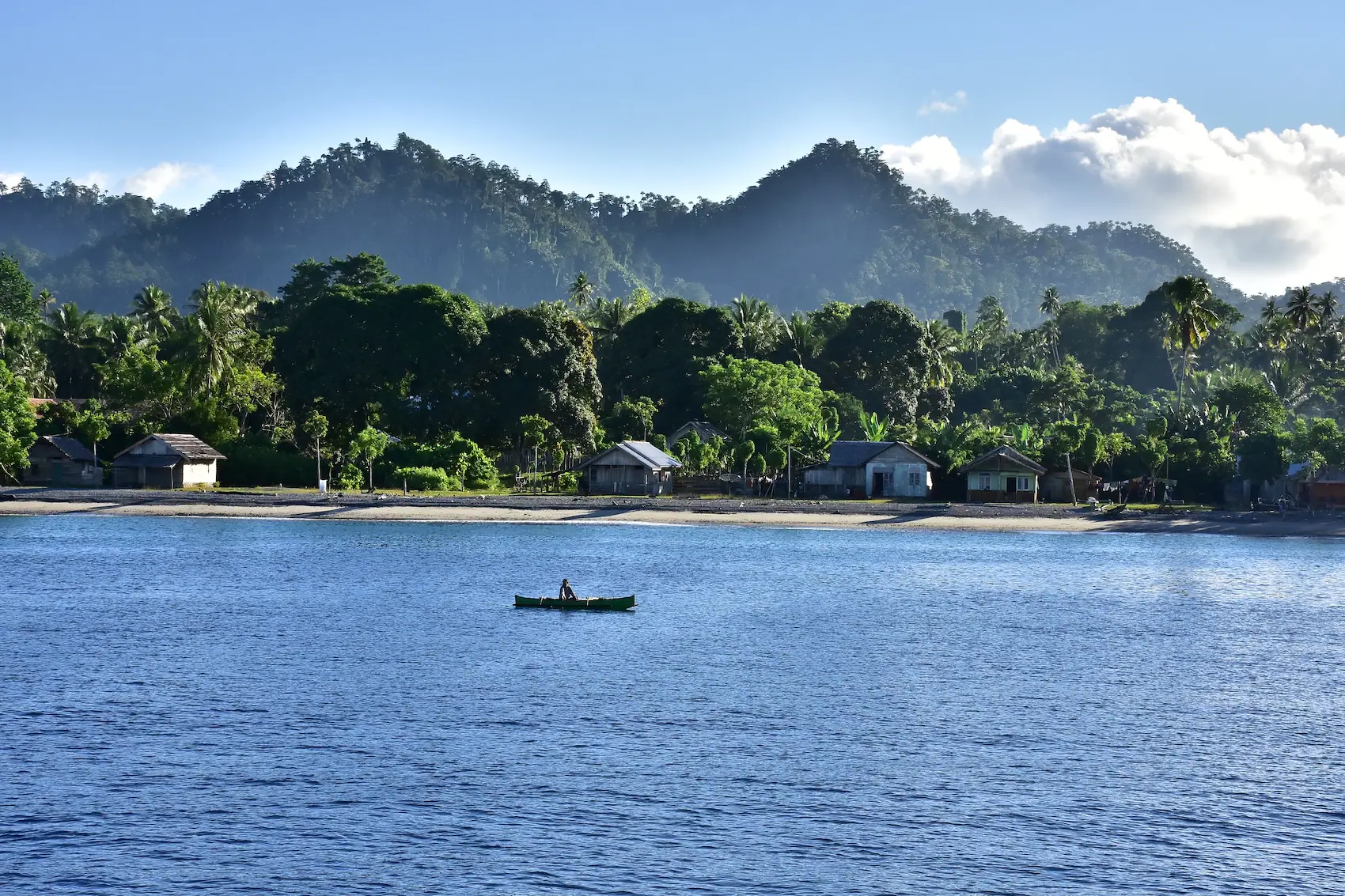
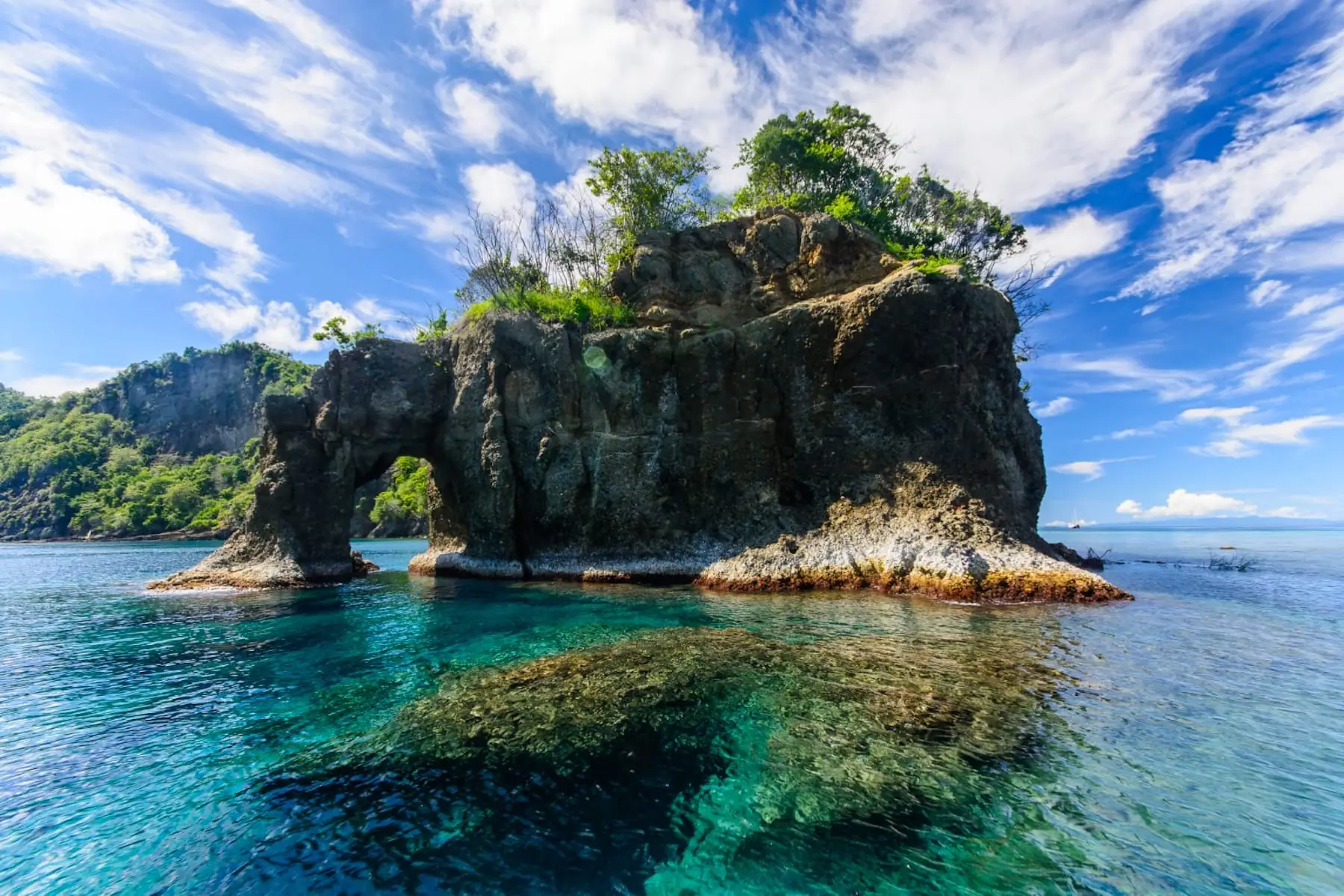
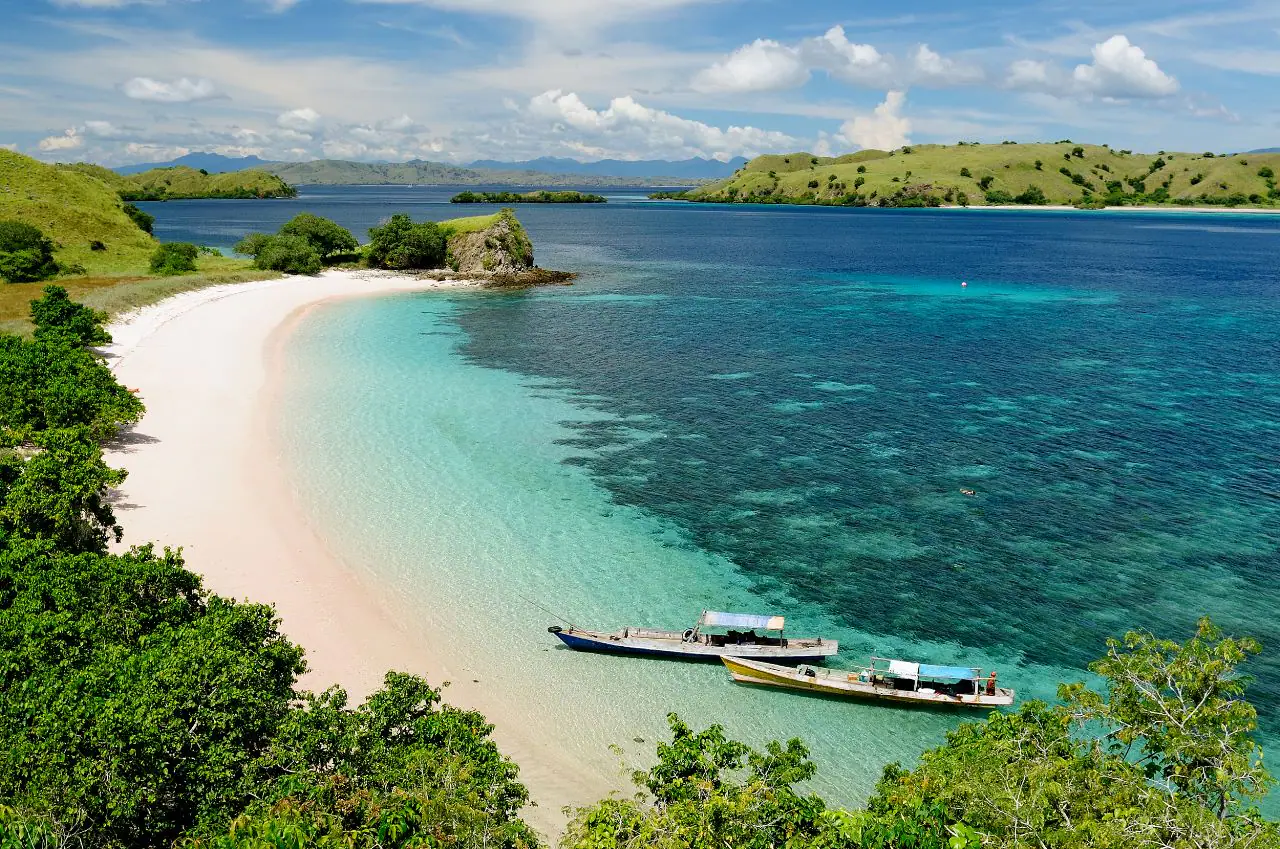
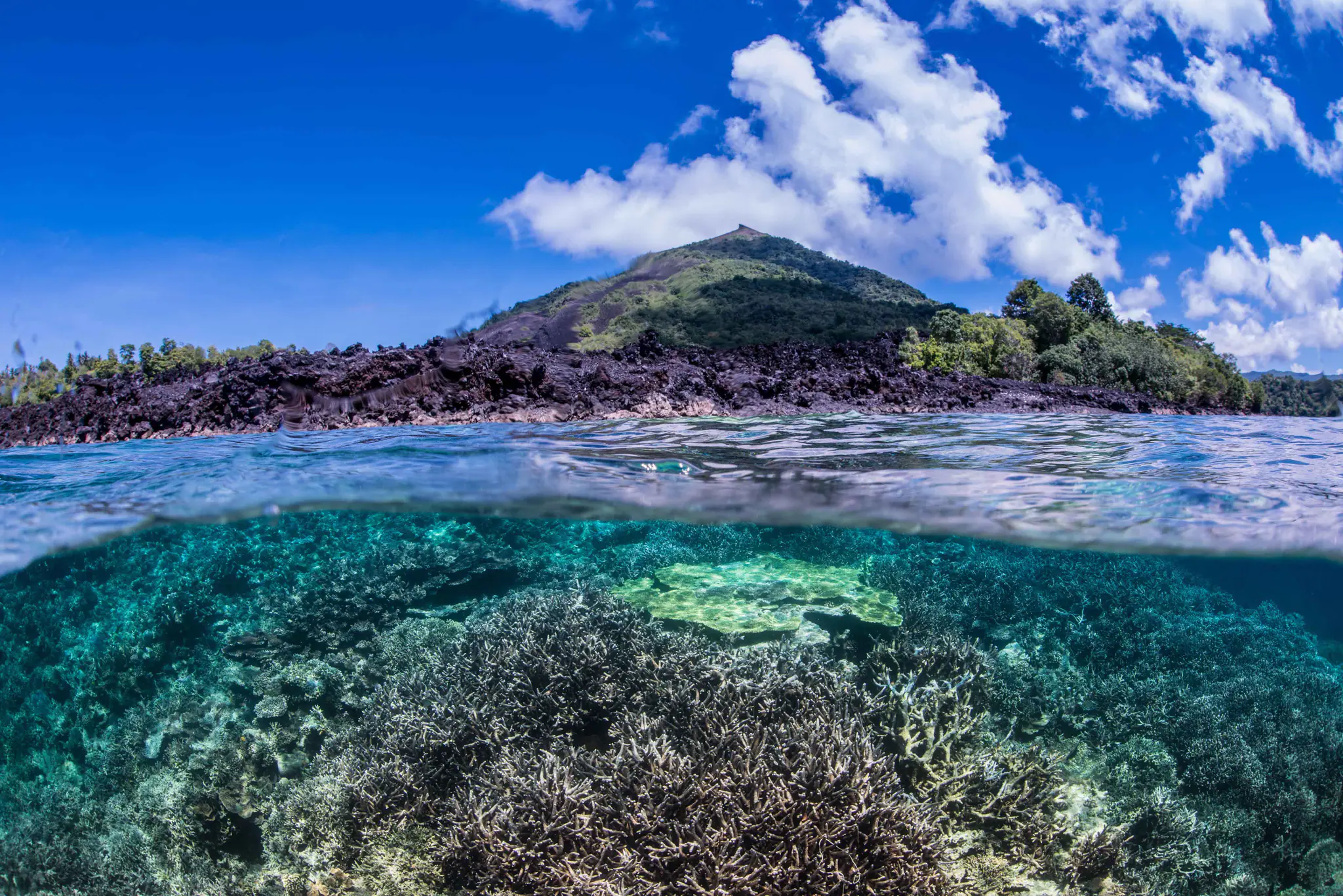
Halmahera is the largest island in the Maluku archipelago, sitting right at the heart of the Asia-Pacific Coral Triangle. In this stunning final frontier, you will find muck diving critters on black volcanic sand, manta ray cleaning stations on untouched reefs, exciting drift dives through narrow straits, and deep wall dives, all with almost zero crowds.
Here are a few reasons why you should add Halmahera to your diving bucket list.
- Pristine Conditions: Unlike crowded dive hubs, Halmahera sees far fewer visiting divers each year. This means the reefs are healthy, unstressed, and the marine life is less shy.
- Ideal Environment: Water temperatures are a very comfortable 27–31°C (80–88°F), and visibility typically ranges from 20 to 30 meters.
- Unmatched Biodiversity: Because it sits squarely on the Coral Triangle, the area is home to over 75% of the world's coral species and more than 3,000 types of reef fish.
- Peak Season: April to October is the absolute prime time for a Halmahera diving trip.

Ternate and Tidore offer a beautiful contrast to typical coral reefs. The black volcanic sand slopes here are an absolute haven for macro photographers and muck diving fans.
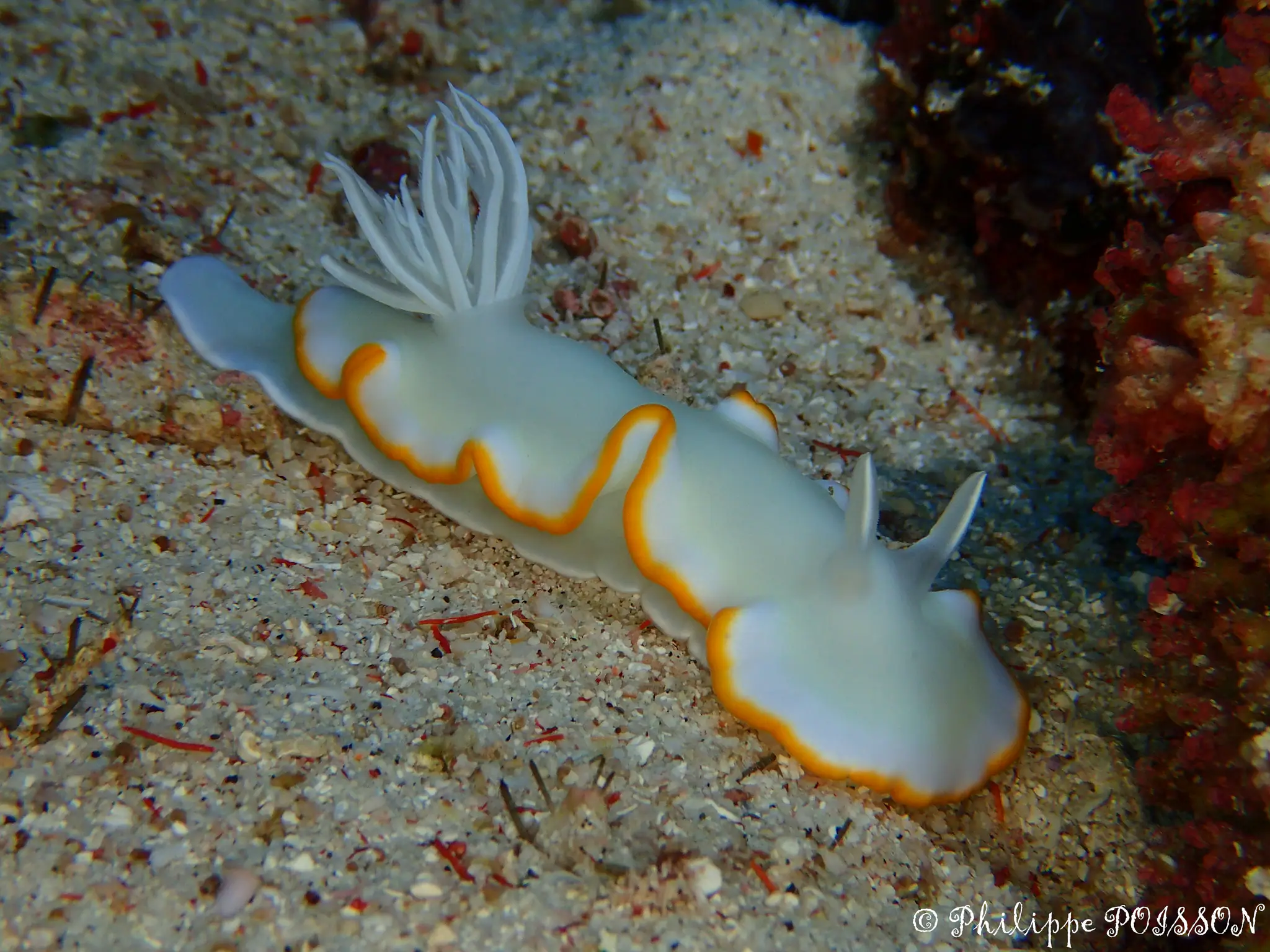
One of the most popular critters among divers is the nudibranch. Over 3,000 nudibranch species have been recorded across Indonesian waters, making Ternate's black sand one of the most productive muck dive habitats in North Maluku.
Ternate and Tidore also share a rich colonial history, dating back to when the Portuguese visited the area to trade spices. Today, you can explore centuries-old onshore forts like Fort Tolucco and Fort Oranje. To add even more history to your dives, submerged WWII wrecks bring a fascinating dimension to the mix.

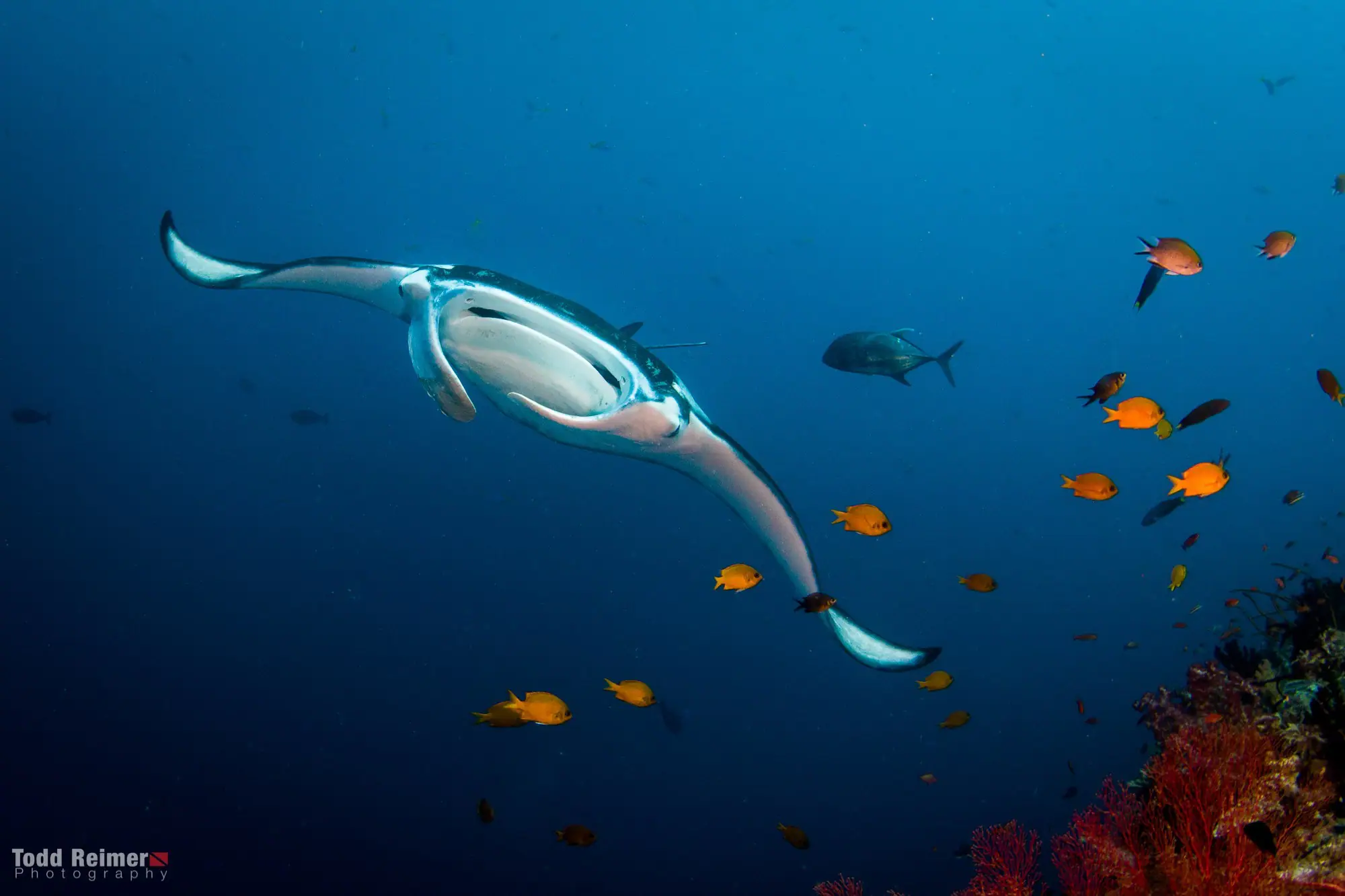
As a premier Halmahera diving site, the Goraici Islands are famous for dramatic drop-offs and pelagic (open ocean) encounters. It is home to a highly active manta ray cleaning station visited by resident oceanic and reef mantas.
Manta rays, which can have a wingspan of up to 7 meters, visit these stations to have tiny parasites cleaned off by wrasses. Goraici's station is one of the most consistently active in the Maluku region.
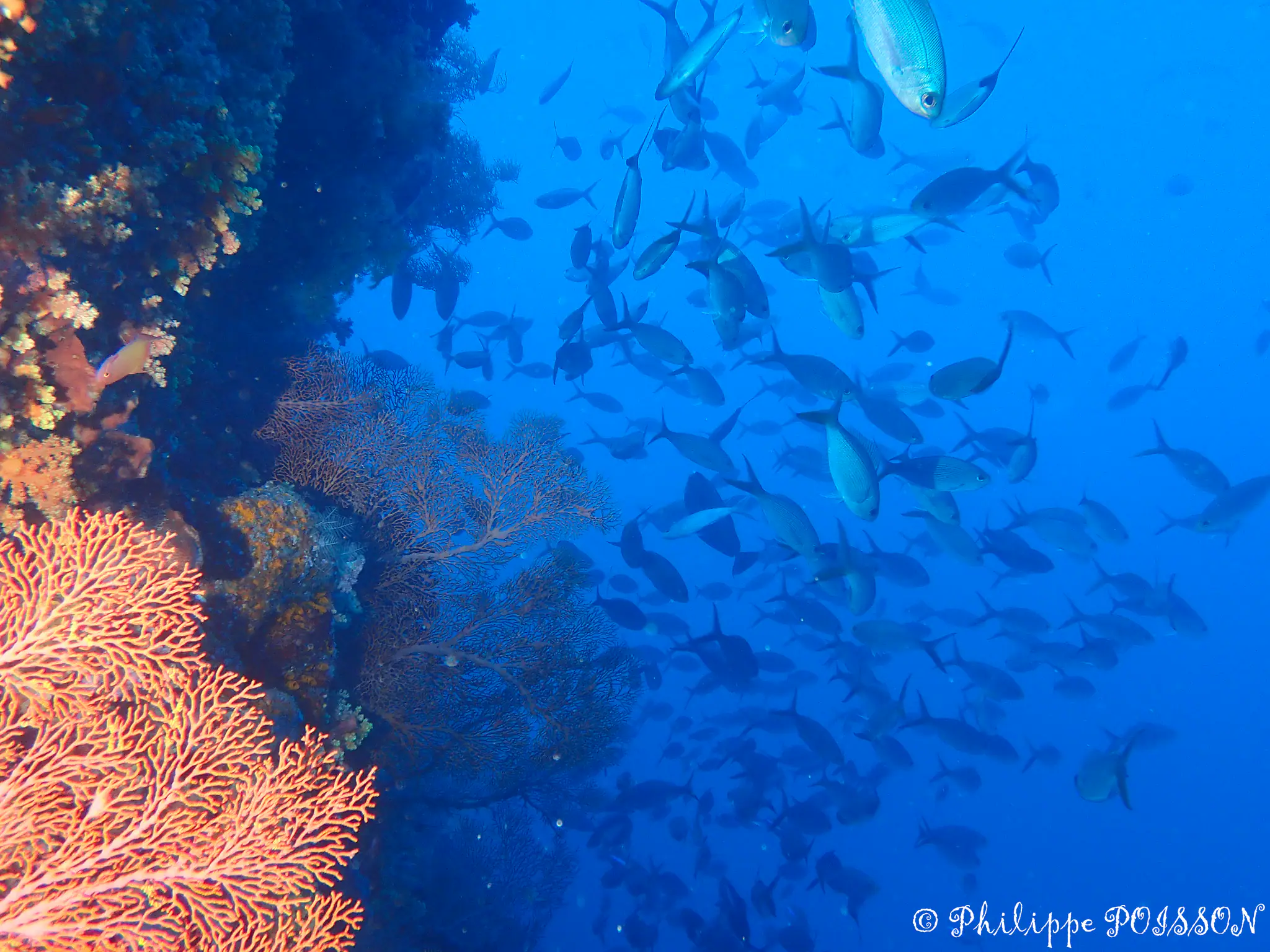
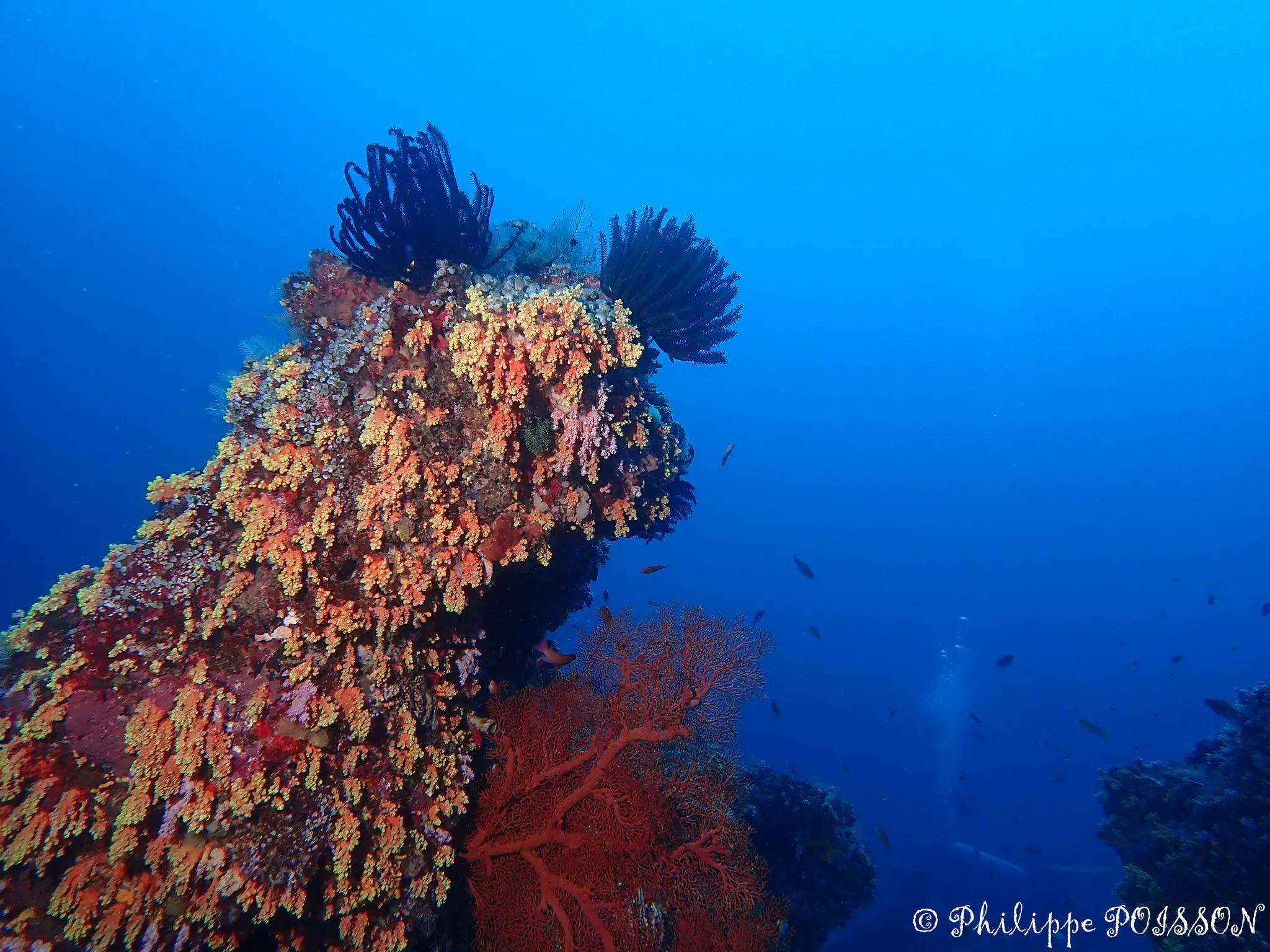
The underwater landscape features steep vertical walls that attract schooling fish, tuna, and the occasional hammerhead shark. With crystal-clear visibility often exceeding 30 meters and very few operators accessing this area, you will essentially have the reefs to yourself.

Located in South Halmahera, the Patinti Strait is where adrenaline meets biodiversity. Strong, nutrient-rich currents funnel through the strait, creating an explosive marine ecosystem.
Nutrient upwelling in current-swept straits like Patinti can increase fish life by up to 40% compared to calm reefs. That is why you can expect huge, dense schools of fusiliers, surgeonfish, snapper, and barracuda!
In contrast, the sheltered coral blocks and reef ridges away from the currents hide incredible, tiny macro life. Nearby, Bacan and Kusu Islands are widely considered localized biodiversity hotspots. However, because of the strong currents, you do need some drift diving experience to dive here safely.
Don't worry, though the expert guides from Wallacea Diving Cruise carefully check the conditions before every dive and provide thorough safety briefings.

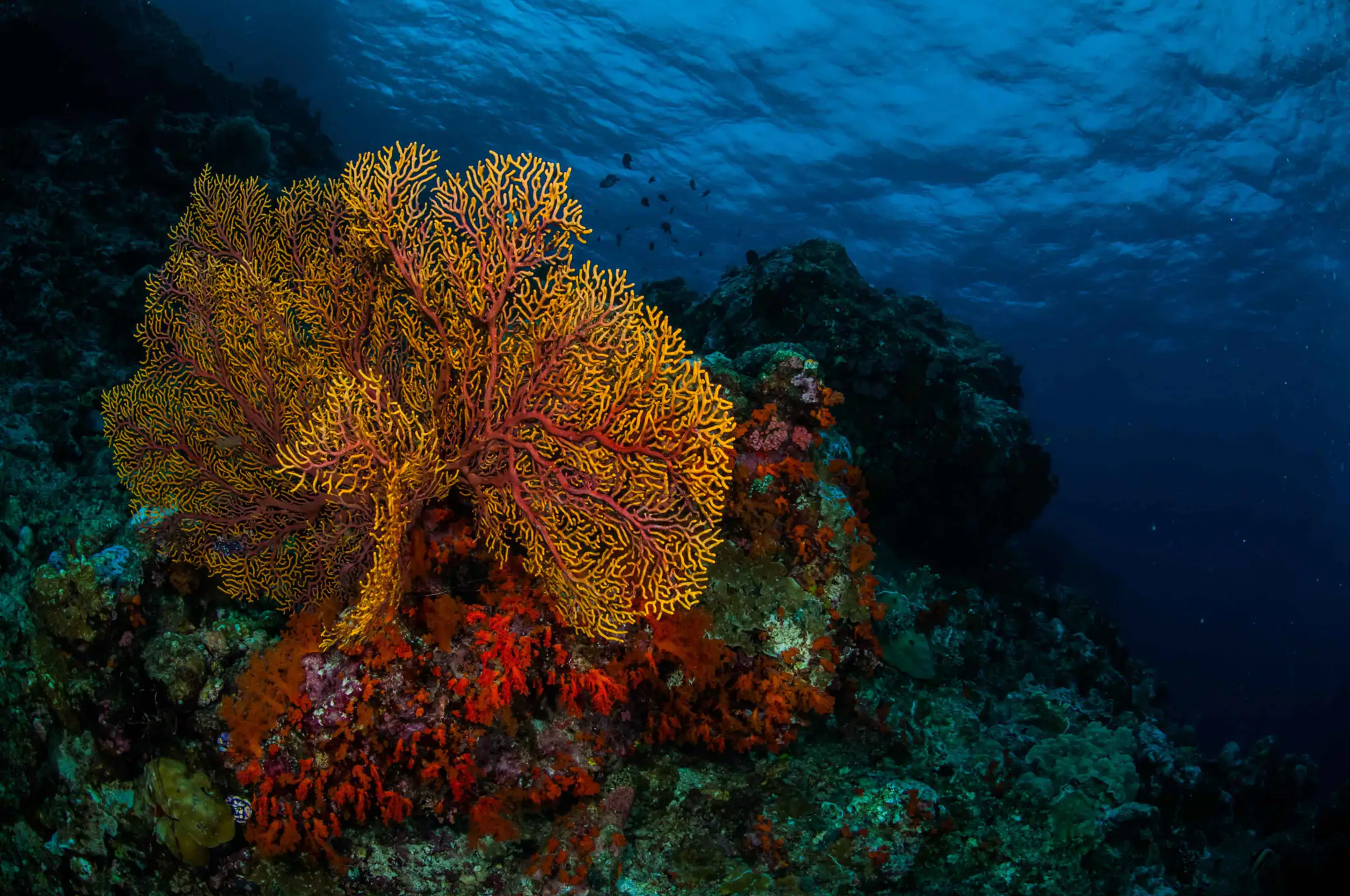
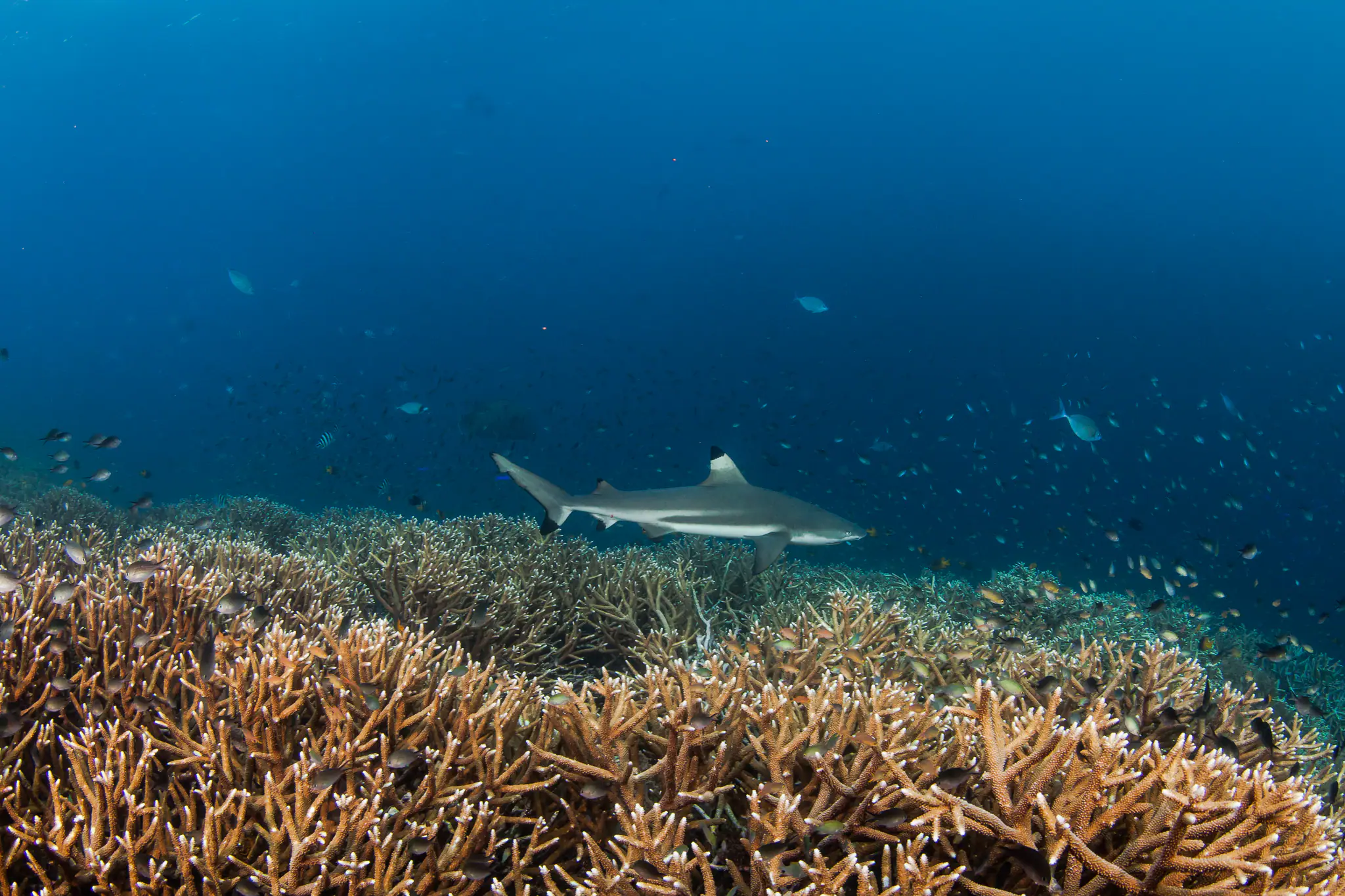
Another unforgettable Halmahera diving site, Bacan Island boasts an underwater landscape defined by steep walls and dramatic coral formations. While diving here, keep an eye out in the blue water for Napoleon wrasse, reef sharks, and sometimes even seasonal whale sharks.
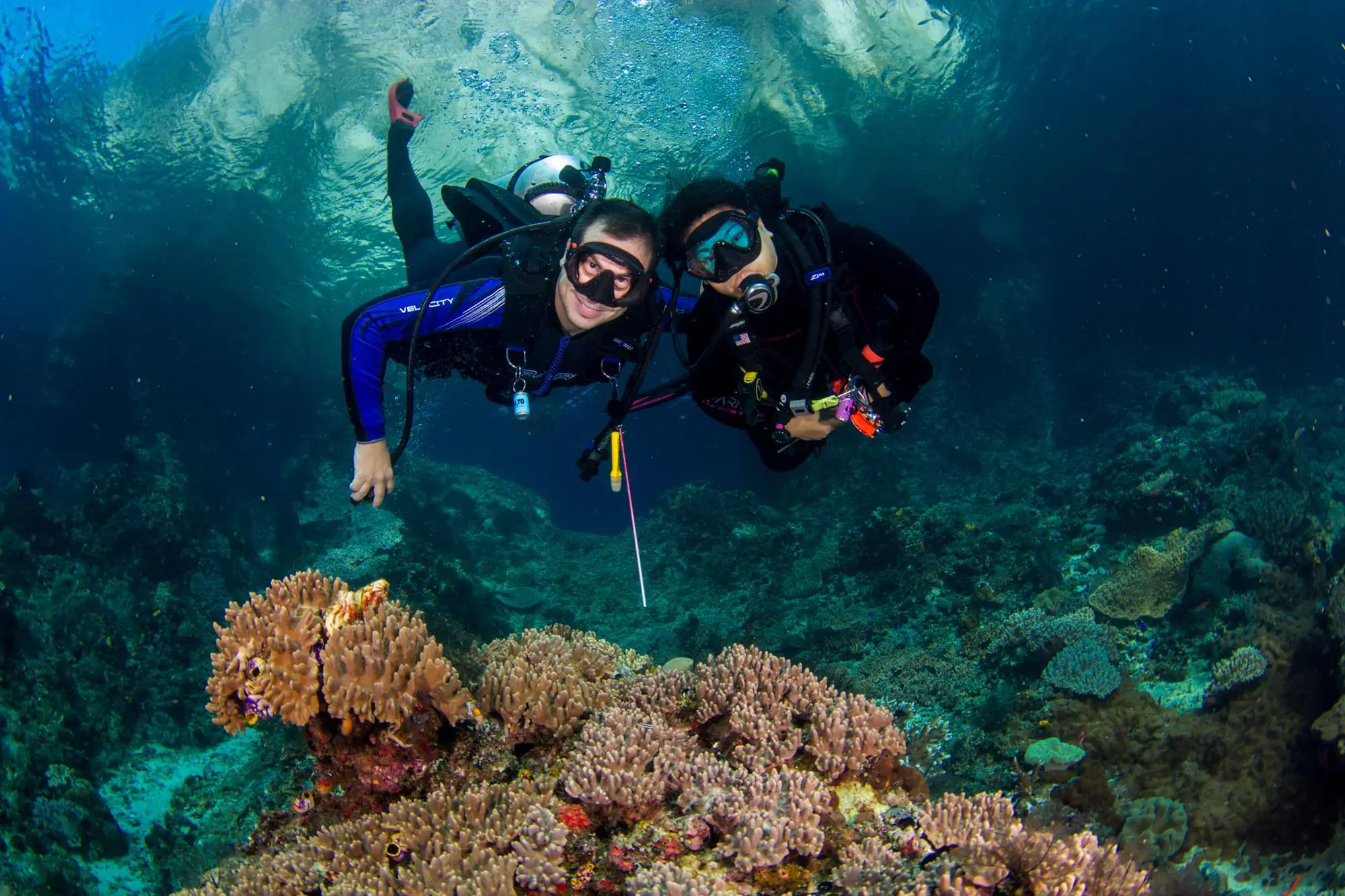
You can glide over pristine hard coral gardens that remain incredibly healthy and untouched due to their remote location. Bacan also serves as a gateway to some of the deepest, most unexplored reefs in North Maluku.

Halmahera's dive sites are spread across hundreds of kilometers of rugged coastline. It is simply impossible to explore this massive region from a single land-based resort.
A Halmahera liveaboard lets you wake up at a new site each morning, giving you maximum time underwater and less time traveling. When it comes to booking a dedicated diving cruise, Wallacea Diving Cruise stands out.
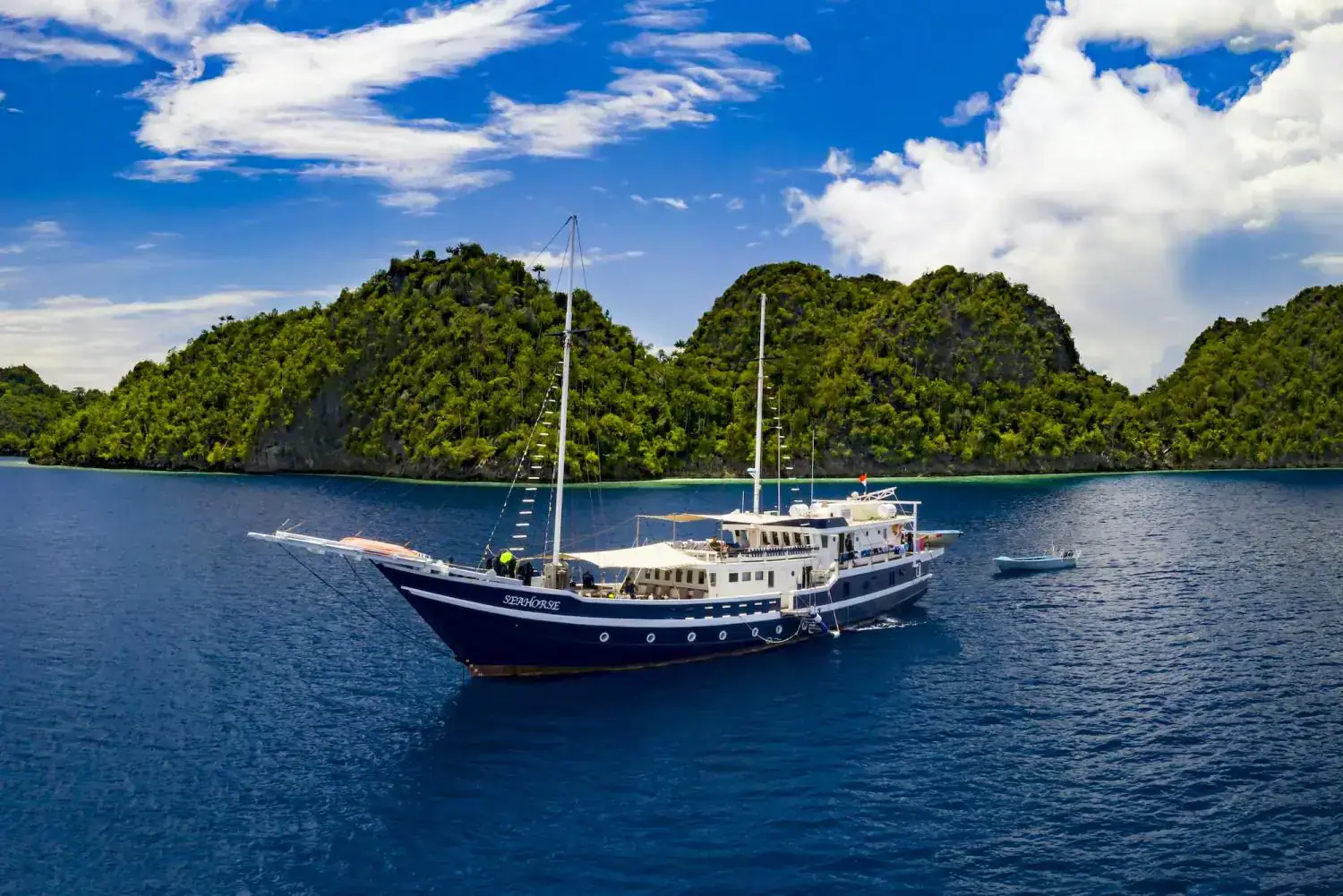
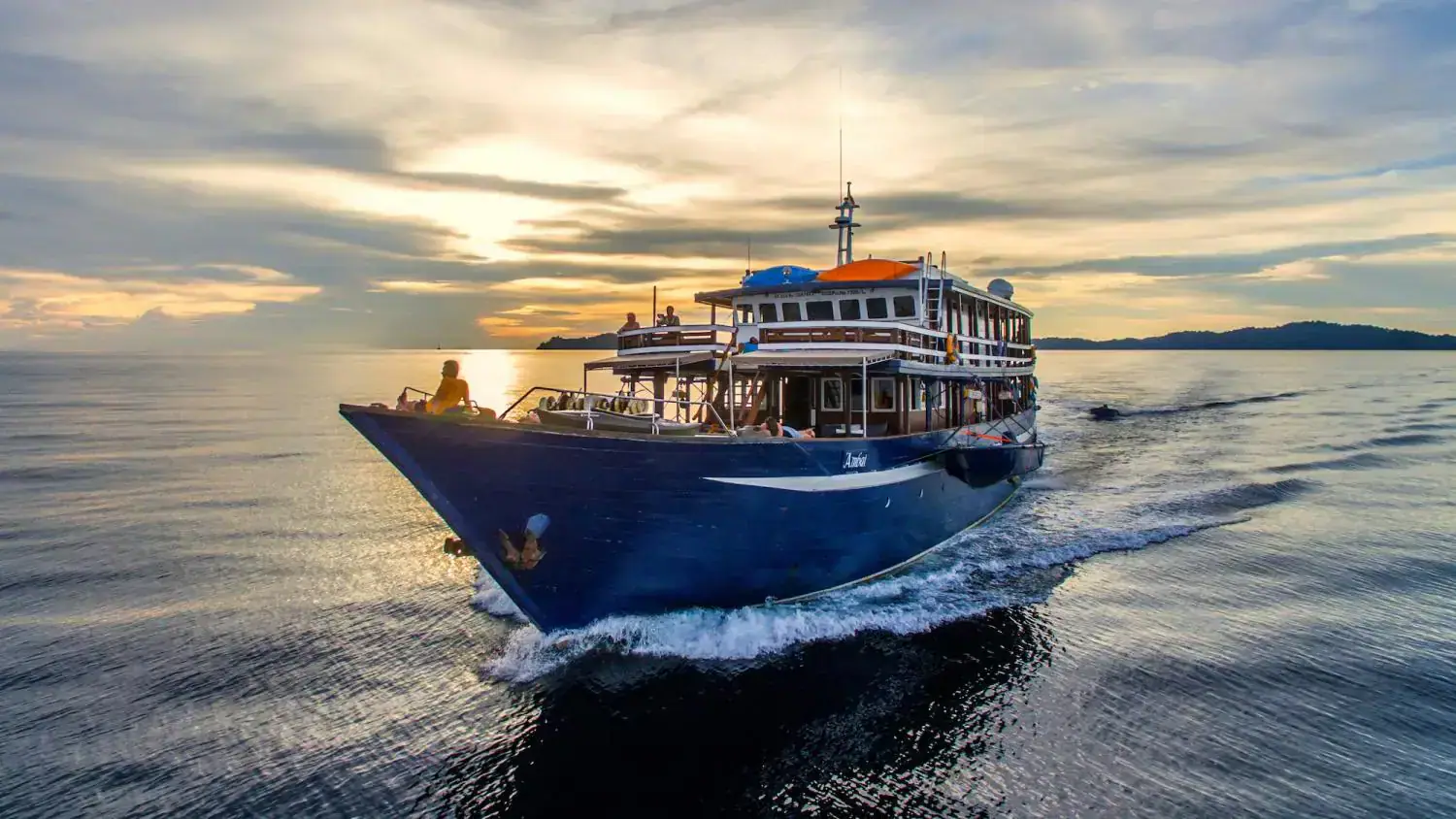
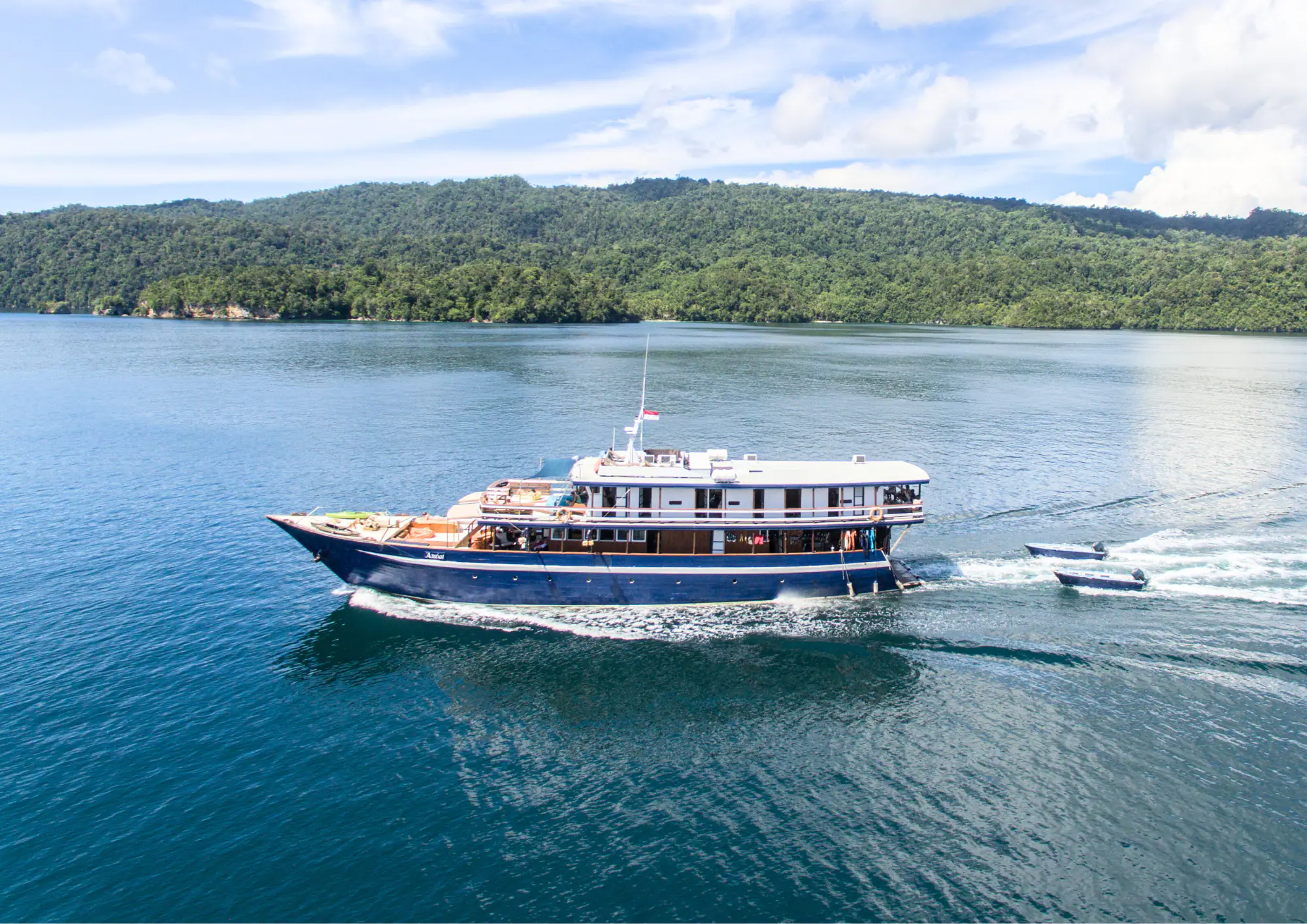
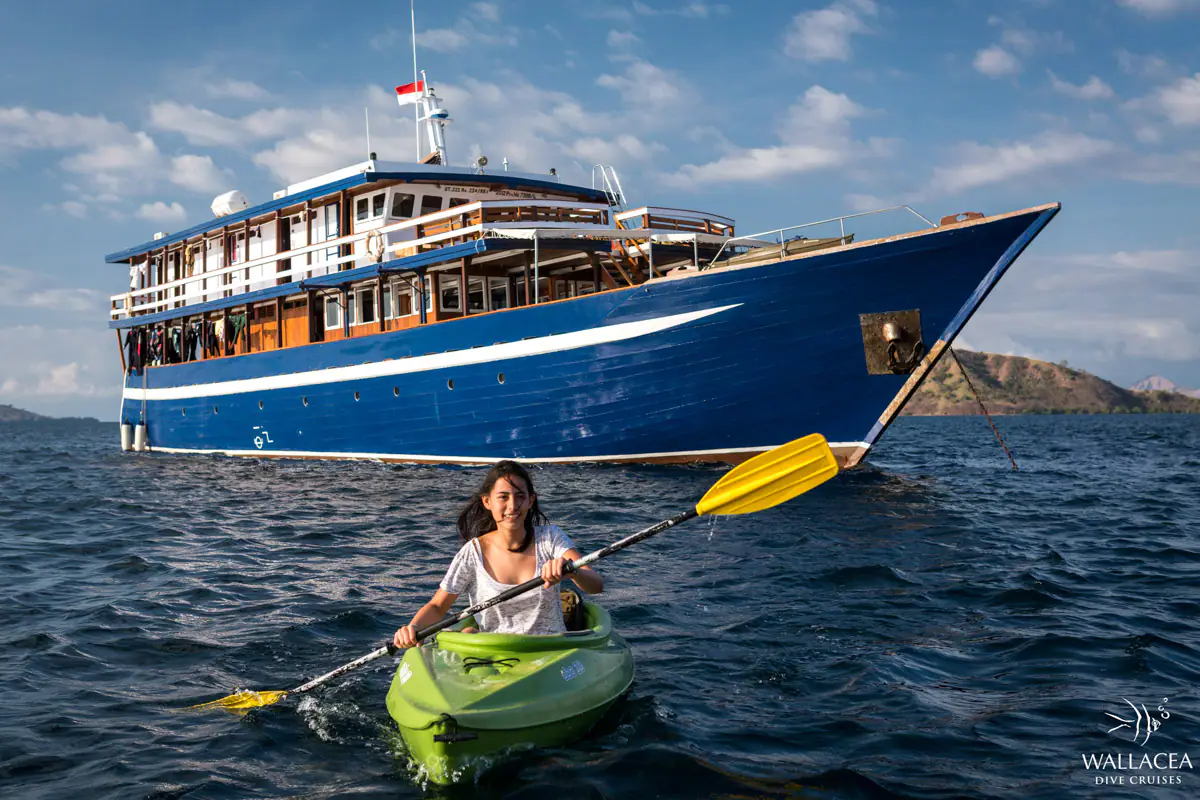
Operating in Indonesian waters since 2002, they offer expert-led Halmahera itineraries ranging from 9 to 14 nights. They use two beautiful vessels, the MV Ambai and the MV Seahorse, both custom-built for comfortable and efficient diving.
Did you know? According to the Divers Alert Network (DAN), divers on liveaboards average 4 to 5 dives a day, compared to just 2 to 3 dives from land-based operators. It is the best way to maximize both your value and your experience.
Choosing between MV Ambai or MSY Seahorse is perfect for experienced divers. Prices for a liveaboard trip with Wallacea start from €4,905, with a maximum of 16 divers and 4 divemasters on board to ensure a personalized experience.
You can easily check the current Halmahera liveaboard rates and schedules online to find a trip that fits your preferences and budget.
When you embark on a diving cruise here, the sheer variety of life is staggering. Here is the marine life you can expect to see in Halmahera:
- Macro/Critters: Pygmy seahorses, frogfish, nudibranchs, ghost pipefish, and ribbon eels.
- Reef Fish: Schooling fusiliers, surgeonfish, snapper, and colorful anthias.
- Pelagics: Manta rays, eagle rays, Napoleon wrasse, reef sharks, and barracuda.
- Turtles: Green and hawksbill sea turtles are regularly sighted.
- Rare Sightings: Whale sharks (seasonal) and hammerheads (mostly in the Patinti Strait).
Getting to Indonesia's last frontier is easier than you might think when traveling with a reputable operator.
- Flights: You will fly into Ternate (Sultan Babullah Airport, TTE) via a connection in Jakarta or Makassar.
- Seasonality: Target April through October; water temperatures remain a stable 27–31°C.
- Departures: Most liveaboard itineraries depart directly from Ternate.
- Check Schedule: You can check real-time and updated schedules in Wallacea’s Destination Information to plan your trip perfectly.
Here is how Halmahera compares to Indonesia’s other world-renowned diving hotspots:
- Raja Ampat: Halmahera is even more remote, offering quieter dive sites with far fewer crowds and a stronger emphasis on world-class muck diving.
- Komodo: While Komodo is famous for its ripping drift dives, Halmahera offers gentler average conditions and a greater abundance of macro-focused opportunities.
- Banda Sea: Halmahera boasts a highly varied underwater topography, whereas the Banda Sea is primarily celebrated for its deep, open-water pelagic encounters.
- Sulawesi: Halmahera features more pristine, untouched reef systems, though it currently has significantly fewer land-based resort options than established areas like North Sulawesi.

Halmahera is a world-class but undeniably underrated dive destination. From the volcanic black sands of Ternate to the swirling currents of the Patinti Strait, it offers an incredible mix of Indonesian marine ecology. Because the distances between sites are so vast, the liveaboard format is uniquely suited to explore it fully.
With over 20 years of expertise in Indonesia, Wallacea Diving Cruise is the go-to operator to guide you through these remote waters. Don't wait until the secret is completely out!
Ready to dive Halmahera? Enquire with Wallacea Diving Cruise today and secure your spot on a Halmahera liveaboard. Spaces are limited!
1. What are the best dive sites in Halmahera?
The top locations include the Goraici Islands (manta ray cleaning station and wall dives), Ternate & Tidore (muck diving on black volcanic sand), the Patinti Strait (drift diving with schooling pelagics), and Bacan Island (coral gardens and wall dives). Because every Halmahera diving site offers a distinct experience, a liveaboard is the absolute best way to visit them all.
2. When is the best time to dive Halmahera?
The best season for Halmahera diving is from April to October. During this time, visibility is at its highest (20–30 meters), and sea conditions are the most favorable. Water temperatures stay between a warm 27–31°C year-round.
3. Is Halmahera suitable for beginner divers?
Sites like Ternate and Tidore are suitable for beginners, offering calm conditions and rich macro life. However, drift dives in areas like the Patinti Strait are recommended for intermediate to advanced divers due to stronger currents.
4. What is a Halmahera liveaboard and why is it recommended?
A Halmahera liveaboard is a diving cruise where guests live aboard a comfortable boat for 9–14 nights, waking up at a new dive site each day. Because Halmahera's best sites are spread across very remote islands, a liveaboard allows divers to reach untouched sites that are impossible to access from shore, letting you log 4–5 dives per day.
5. Which boats does Wallacea Diving Cruise use for Halmahera trips?
Wallacea Diving Cruise operates two incredible liveaboard vessels for Halmahera: the MV Ambai and the MV Seahorse. Both are purpose-built for maximum comfort and premium diving performance in Indonesian waters.
6. How much does a Halmahera liveaboard cost?
Depending on the specific trip and duration, Wallacea Diving Cruise Halmahera liveaboard trips generally start from €4,905 per person for 9–14 nights. This is inclusive of all dives, meals, and onboard accommodation. Visit their rates and schedule page for the most current pricing.
7. How do I get to Halmahera for a diving trip?
You will need to fly to Ternate (Sultan Babullah Airport, TTE) via a connection in Jakarta or Makassar. Wallacea Diving Cruise can happily assist you with arranging domestic flights, airport transfers, and pre-cruise hotel bookings to make your journey completely hassle-free.