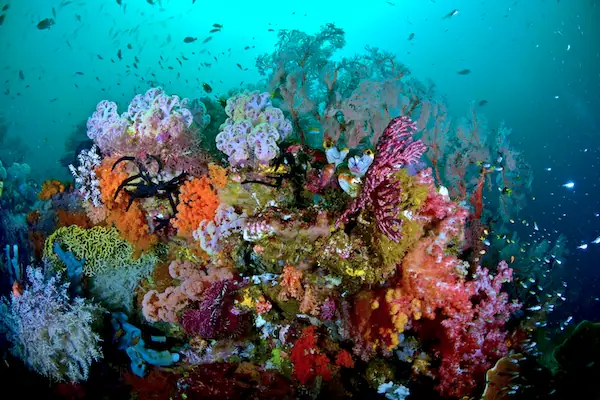
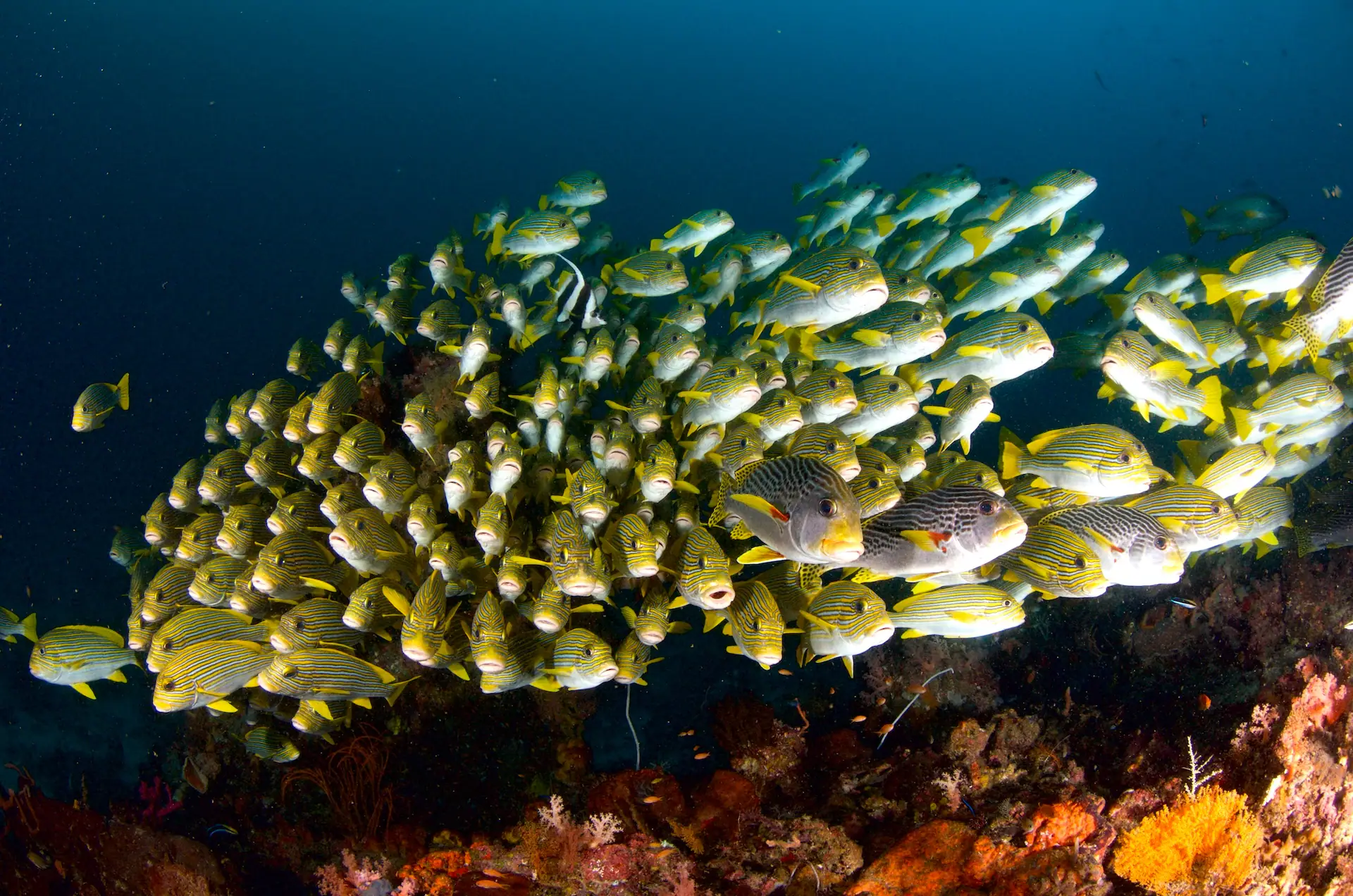
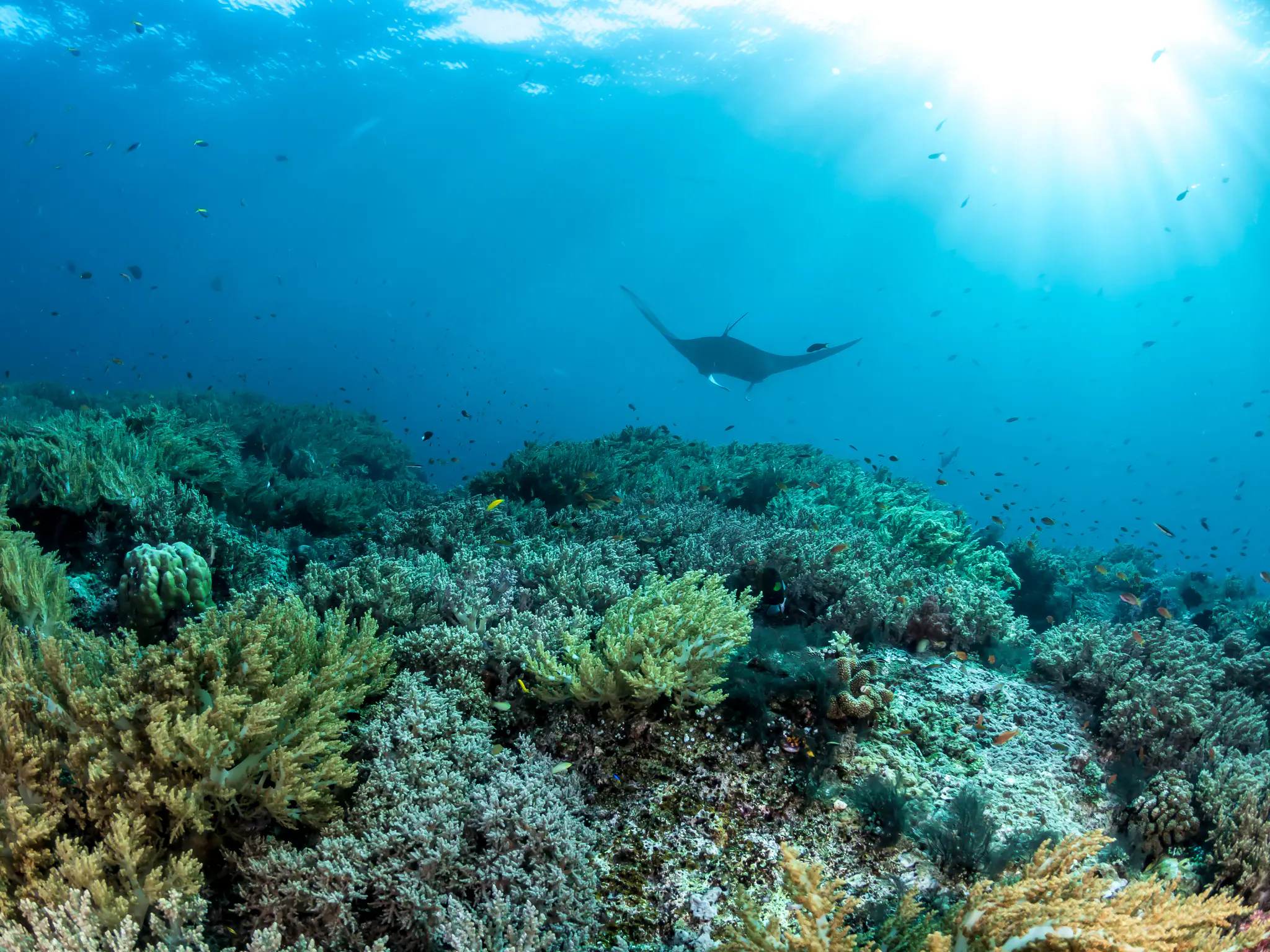
Passer du statut de touriste aux yeux écarquillés à celui de « lecteur de récif » averti est l'un des voyages les plus gratifiants qu'un plongeur puisse entreprendre. Les récifs de Raja Ampat recèlent des strates de secrets qui ne peuvent tout simplement pas être assimilés en une seule semaine.
Si vous êtes prêt à voir ce que vous avez manqué la première fois, il est temps de planifier votre voyage de retour. Nous encourageons vivement les plongeurs de retour à profiter du programme d'avantages pour les clients fidèles de Wallacea.
Consultez les itinéraires de Raja Ampat dès aujourd'hui, et laissez-nous vous aider à découvrir les rythmes cachés des récifs les plus riches du monde.
Foire aux questions
1. Quels comportements récifaux à Raja Ampat ne sont visibles qu'après plusieurs plongées ?
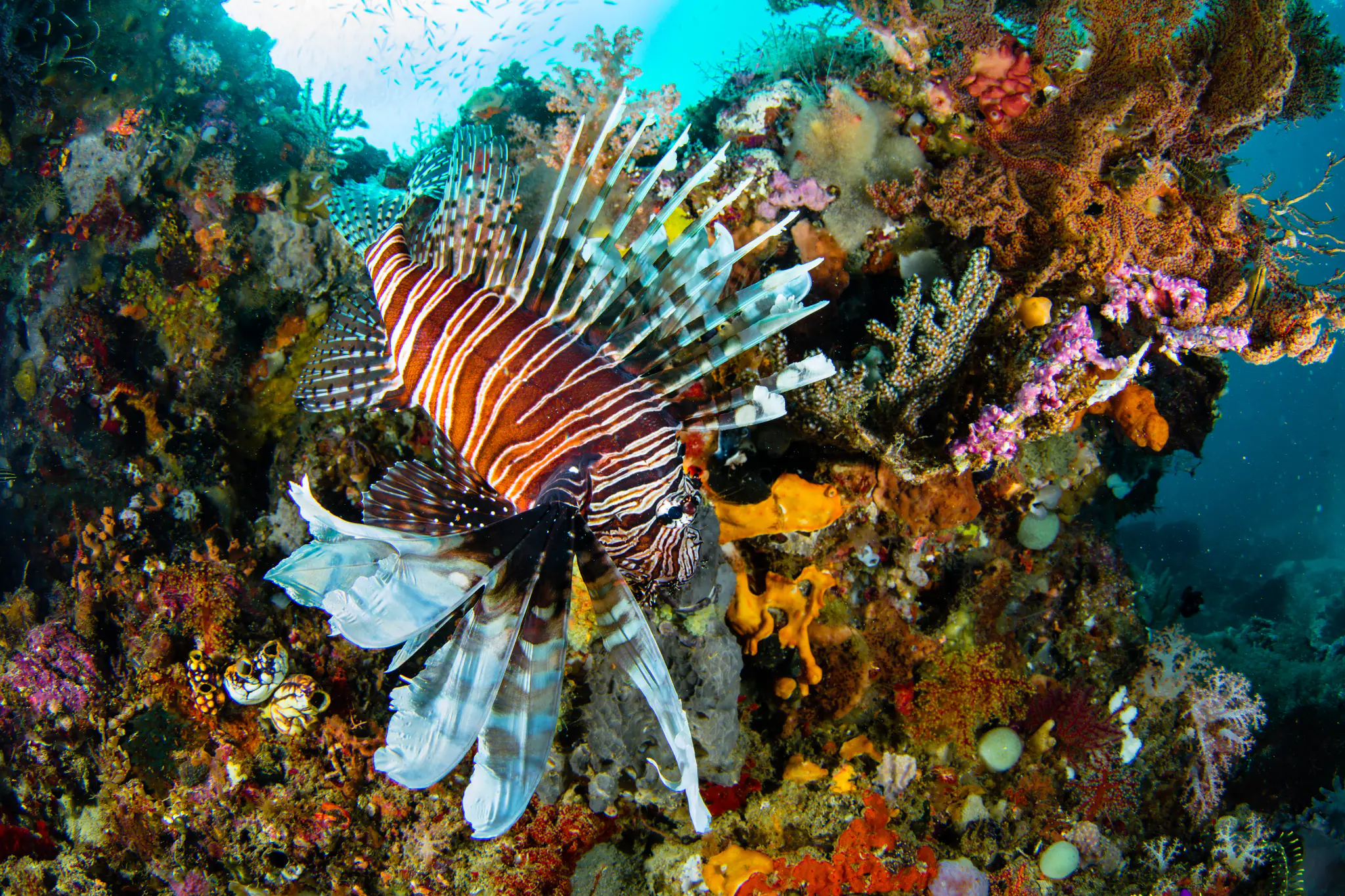
Les plongeurs réguliers remarquent les rythmes des stations de nettoyage, les schémas d'alimentation liés aux marées, les petites créatures camouflées comme les hippocampes pygmées et les espèces nocturnes, des comportements qui sont souvent invisibles pour les visiteurs d'une première fois, encore absorbés par le spectacle global.
2. Combien de plongées faut-il pour vivre pleinement l'expérience de Raja Ampat ?
La plupart des plongeurs s'accordent à dire que 30 à 50 plongées réparties sur plusieurs visites commencent à révéler toute la complexité de Raja Ampat. Un bateau de croisière proposant 3 à 4 plongées quotidiennes accélère considérablement cette expérience.
3. Pourquoi les raies mantas se rassemblent-elles à des endroits précis à Raja Ampat ?
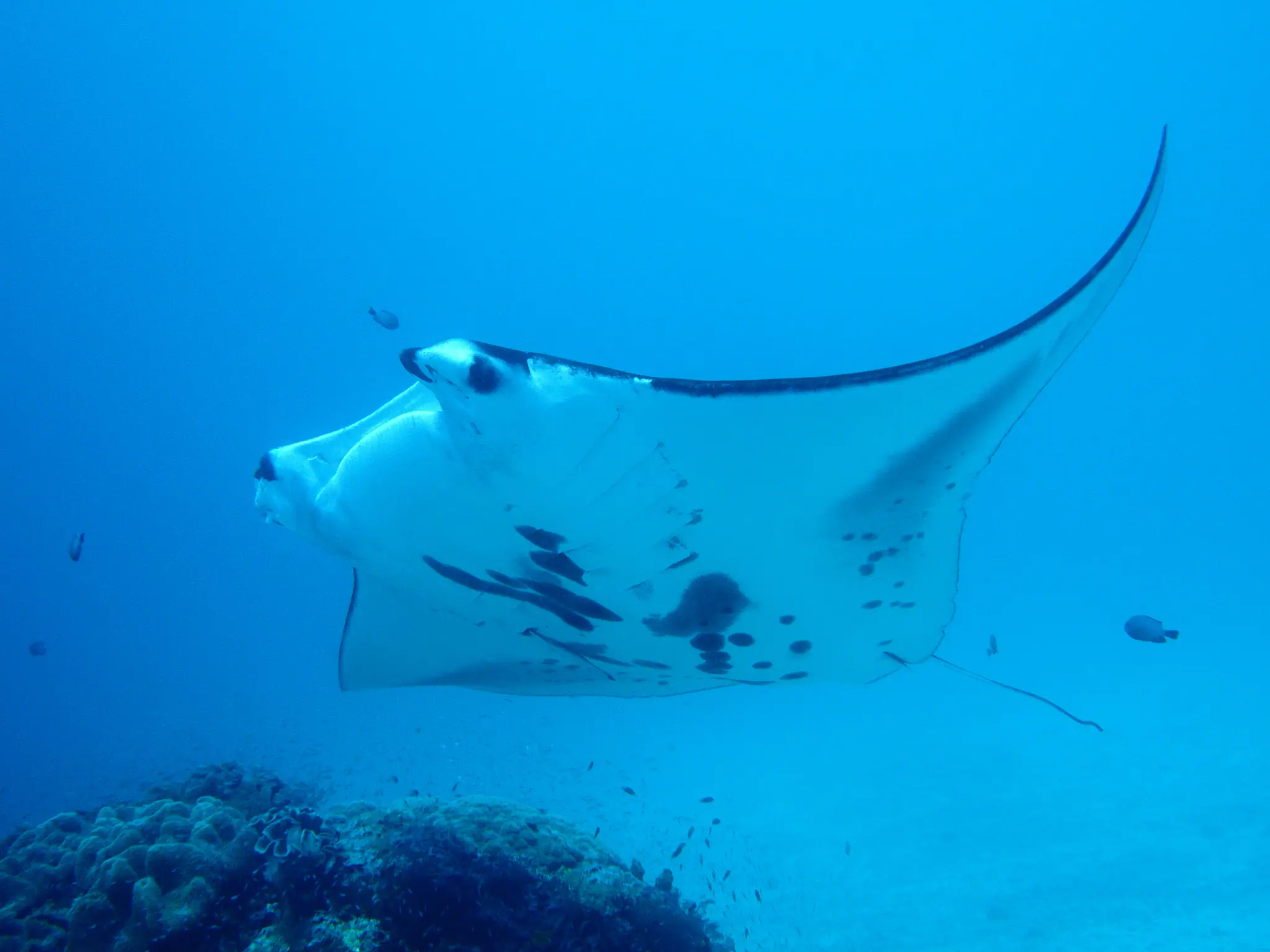
Les raies mantas se rassemblent dans des stations de nettoyage comme Manta Sandy dans le détroit de Dampier, où les labres nettoyeurs éliminent leurs parasites. Elles y reviennent de manière prévisible, en particulier lors des courants de marée riches en plancton.
4. Un bateau de croisière à Raja Ampat est-il préférable pour les plongeurs expérimentés ?
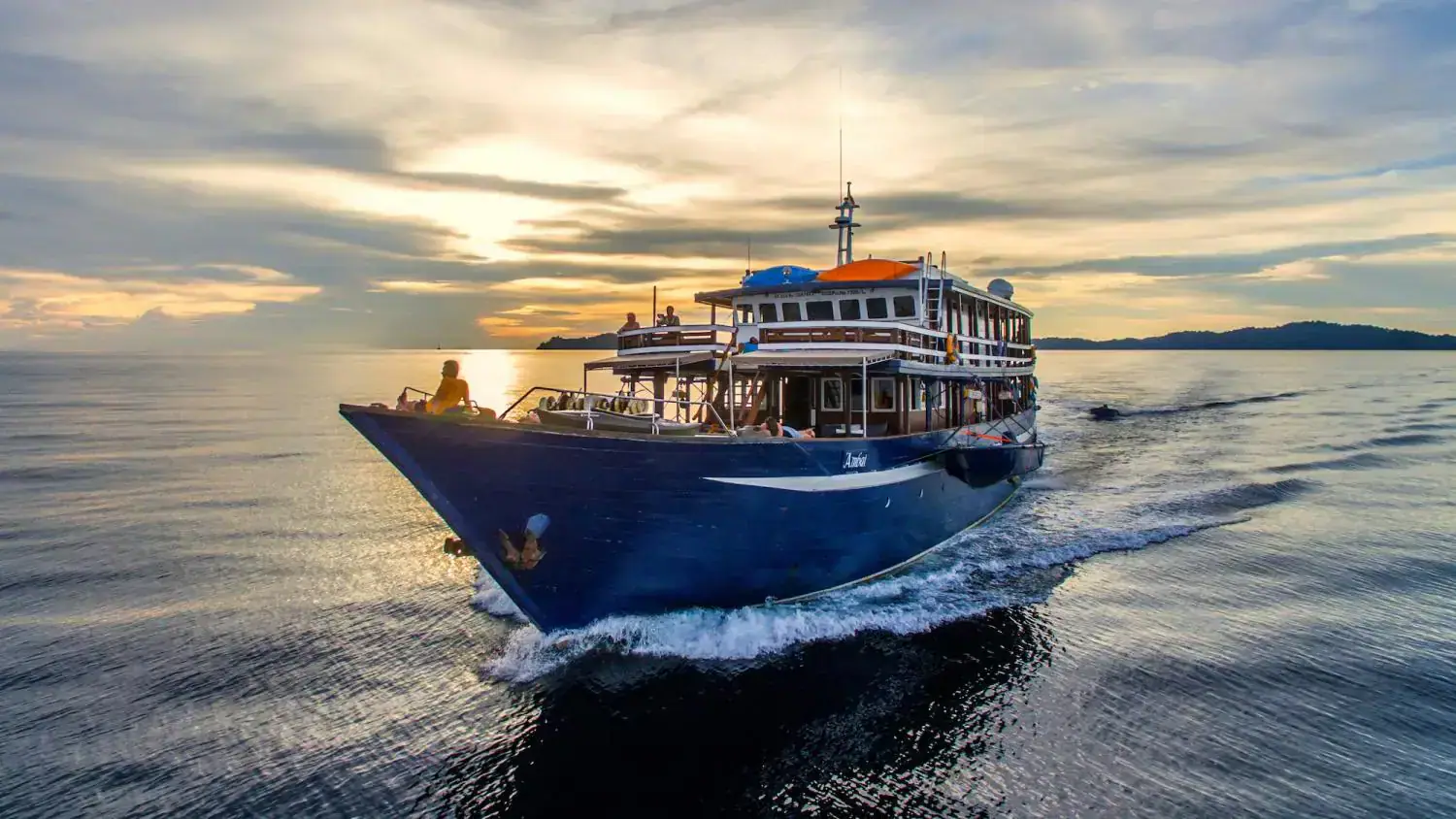
Oui. Les plongeurs expérimentés tirent le meilleur parti des 3 à 4 plongées quotidiennes d'un bateau de croisière, de ses guides experts, de ses horaires flexibles et de son accès à des sites reculés, ce qui permet une observation plus approfondie du comportement à chaque plongée.
5. Quelle est la meilleure période de l'année pour plonger à Raja Ampat pour l'activité de la vie marine ?
D'octobre à avril offre les meilleures conditions : eaux chaudes, bonne visibilité et pic d'activité marine, y compris les raies mantas et les requins de récif.